AI-Assisted Usability Testing: Enhancing Human-Centered Design or Potential Risk?

2 Sources
[1]
Testing -- Smashing Magazine
Human-Centered Design Through AI-Assisted Usability Testing: Reality Or Fiction? Eduard Kuric discusses the significance and role of context in the creation of relevant follow-up questions for unmoderated usability testing, how an AI tasked with interactive follow-up should be validated for its
[2]
Human-Centered Design Through AI-Assisted Usability Testing: Reality Or Fiction? -- Smashing Magazine
The most reliable way to meet user needs is through extensive usability research. However, scaling can be a challenge, especially if a researcher needs to personally e-meet every participant. When left to their own devices, participants also tend to provide incomplete answers. Could parts of this
Share
Copy Link
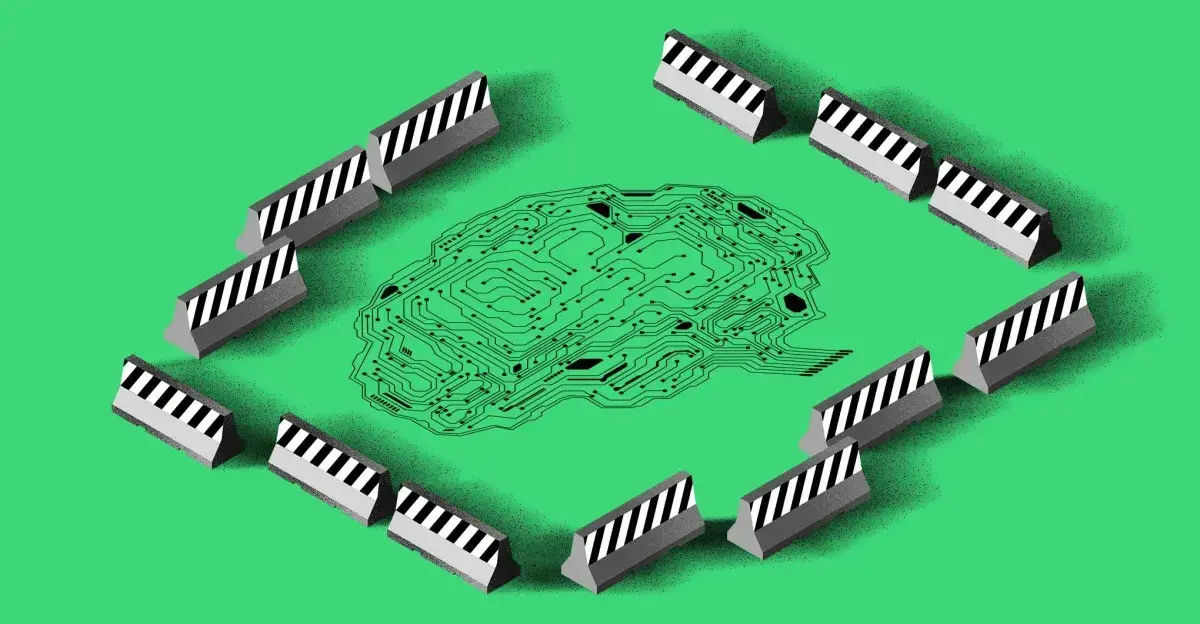
A study explores the potential of AI in unmoderated usability testing, discussing its benefits, challenges, and implications for UX research and human-centered design.

The Rise of AI in Usability Testing
In the evolving landscape of user experience (UX) research, a new frontier is emerging: AI-assisted usability testing. As unmoderated usability testing gains popularity, researchers are exploring how artificial intelligence could bridge the gap between the convenience of unmoderated tests and the adaptive questioning capabilities of human moderators
1
.The Challenge of Unmoderated Testing
Unmoderated usability testing offers several advantages, including cost-effectiveness, flexibility, and the ability to reach a global audience. However, it lacks the human touch that moderators bring to the table. Without real-time interaction, participants often provide incomplete answers, leaving valuable insights uncovered
2
.Enter AI: A Potential Solution?
Researchers are now investigating whether AI, particularly large language models (LLMs), could enhance unmoderated testing by generating follow-up questions based on participant responses. This approach aims to combine the scalability of unmoderated tests with the adaptive questioning of human moderators
1
.The UXtweak Research Case Study
To explore this possibility, UXtweak research conducted a case study focusing on AI's ability to generate meaningful follow-up questions. The study used GPT-4, OpenAI's advanced language model, to interact with participants during a usability test of an e-commerce website prototype
2
.Potential Benefits and Risks
AI-assisted usability testing could potentially:
- Increase data collection from participants
- Overcome geographical and time zone barriers
- Provide a more natural interaction for participants
However, the study also highlights potential risks:
- AI's lack of true understanding of context
- Possibility of generating irrelevant or biased questions
- Ethical concerns regarding AI-human interactions in research settings
Related Stories

The Importance of Validation
The researchers emphasize the need for thorough validation of AI systems used in usability testing. This includes assessing the AI's ability to incorporate context, generate relevant questions, and provide valuable insights without introducing bias or confusion
1
.Future Implications for UX Research
As AI continues to evolve, its role in UX research and human-centered design is likely to grow. However, the study suggests that AI should be seen as a tool to augment human researchers rather than replace them entirely. The human touch remains crucial in interpreting results and ensuring ethical, context-aware research practices
2
.References
Summarized by

Navi
[1]
Related Stories
The Pitfalls of Anticipatory Design in Business: A Critical Analysis
11 Sept 2024

AI Ethics Paradox: Leaders Who Warn Against AI Caught Using It to Write Their Warnings
01 Oct 2026•Entertainment and Society

AI Can Build Your Next Feature in Hours, but Knowing What to Build Is the Real Challenge
08 Sept 2026•Technology

Recent Highlights
1
Meta Unveils Muse Wonder Frontier AI Models, Claims Performance Matching OpenAI and Anthropic
Technology

2
Microsoft and Nvidia Launch Surface Laptop Ultra: A $2,599 AI-Ready PC With RTX Spark Chip
Technology

3
Meta Muse AI Agent Surges to 6.6M Downloads Despite Privacy and Security Controversies
Technology

Recent Highlights
Today's Top Stories







Don’t drown in AI news. We cut through the noise - filtering, ranking and summarizing the most important AI news, breakthroughs and research daily. Follow topics that matter to you and stay ahead.


