AI Breakthrough: Routine Blood Tests Predict Spinal Cord Injury Outcomes


3 Sources
[1]
AI breakthrough finds life-saving insights in everyday bloodwork
The research team utilized advanced analytics and machine learning, a type of artificial intelligence, to assess whether routine blood tests could serve as early warning signs for spinal cord injury patient outcomes. More than 20 million people worldwide were affected by spinal cord injury in
[2]
Blood Tests Could Predict Spinal Cord Injury Severity and Survival - Neuroscience News
Summary: A new study shows that routine hospital blood tests could help predict spinal cord injury severity and survival chances. Researchers used machine learning to analyze data from thousands of patients and found that patterns in blood markers, such as electrolytes and immune cells, forecasted
[3]
Machine learning unlocks blood test secrets for spinal cord injury
University of WaterlooSep 23 2025 Routine blood samples, such as those taken daily at any hospital and tracked over time, could help predict the severity of an injury and even provide insights into mortality after spinal cord damage, according to a recent University of Waterloo study. The
Share
Copy Link
Researchers at the University of Waterloo have used machine learning to analyze routine blood tests, potentially revolutionizing spinal cord injury prognosis. This AI-driven approach could provide early insights into injury severity and mortality risk, improving patient care and resource allocation.
AI Predicts Spinal Cord Injury Outcomes via Blood Tests
Researchers at the University of Waterloo have developed an AI method to predict spinal cord injury (SCI) severity and patient outcomes. Their study, in Nature's NPJ Digital Medicine, shows machine learning analyzes routine blood tests for accurate early prognoses
1
. This objective, AI-driven tool significantly advances critical care, moving beyond unreliable neurological assessments.
Source: News-Medical
Globally, SCIs affect over 20 million, requiring precise, timely prognoses in emergencies
2
. Dr. Abel Torres Espín's Waterloo team used AI to analyze millions of common blood measurements (electrolytes, immune cells) from over 2,600 US patients within three weeks post-injury3
. The AI identified hidden patterns linked to injury severity and mortality risk, demonstrating superior predictive capabilities. It accurately forecasts outcomes within 1-3 days of admission, outperforming conventional methods.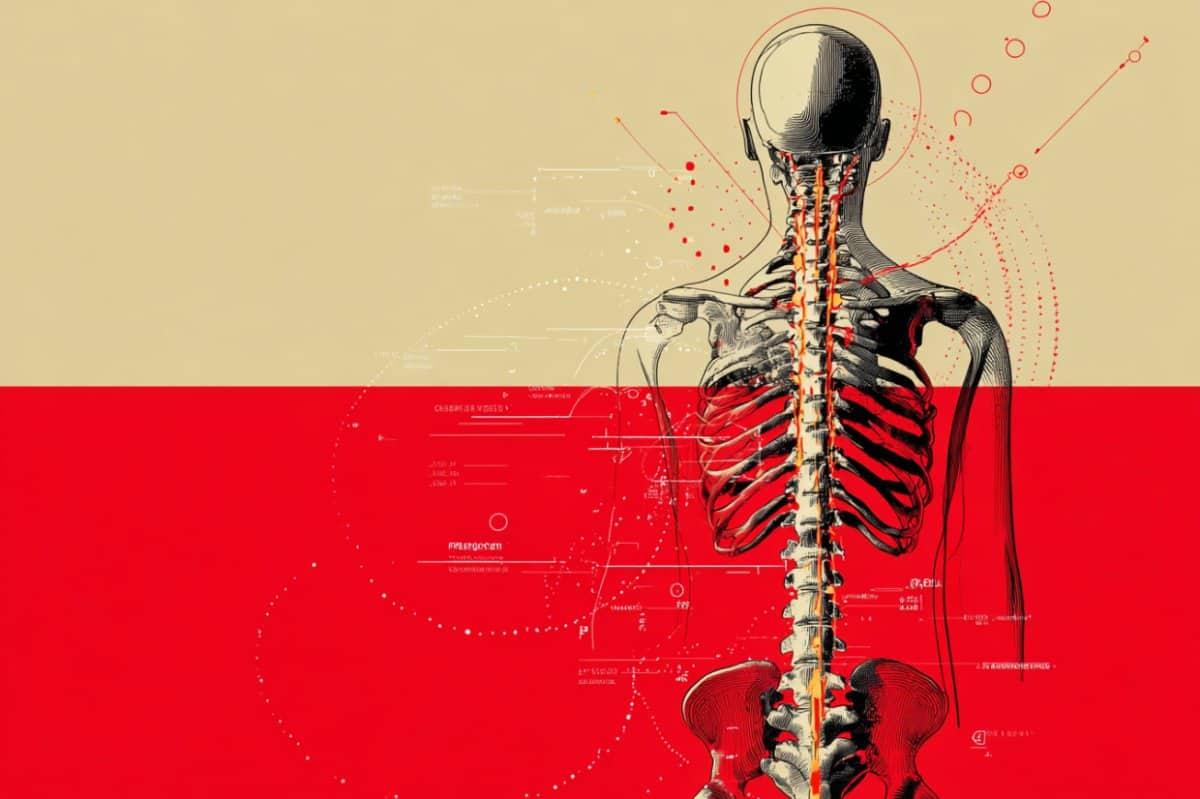
Source: Neuroscience News
The AI's reliance on economical, universally available routine blood tests, unlike costly imaging, makes it practical for global adoption. It enhances clinical decision-making, optimizes critical care resource allocation, and provides crucial early insights for personalized SCI management. This breakthrough offers a reliable alternative, transforming patient care by addressing the critical need for precise, early severity prediction
2
.
Source: ScienceDaily
Related Stories

References
Summarized by

Navi
[1]
[2]
Related Stories
Machine Learning Models Fail to Accurately Predict In-Hospital Mortality, Study Finds
12 Mar 2025•Science and Research

AI-Powered Tool Revolutionizes Traumatic Brain Injury Investigations in Forensics
27 Feb 2025•Science and Research

MIT's AI Algorithm Unlocks Brainstem Imaging, Revealing Signs of Parkinson's and Brain Injury
09 Feb 2026•Science and Research
Recent Highlights



Recent Highlights
Today's Top Stories



Don’t drown in AI news. We cut through the noise - filtering, ranking and summarizing the most important AI news, breakthroughs and research daily. Follow topics that matter to you and stay ahead.


