OpenAI Reveals Alarming Mental Health Statistics for ChatGPT Users


21 Sources
[1]
OpenAI says over a million people talk to ChatGPT about suicide weekly | TechCrunch
OpenAI released new data on Monday illustrating how many of ChatGPT's users are struggling with mental health issues, and talking to the AI chatbot about it. The company says that 0.15% of ChatGPT's active users in a given week have "conversations that include explicit indicators of potential
[2]
Here's How Many People May Use ChatGPT During a Mental Health Crisis Each Week
For the first time ever, OpenAI has released a rough estimate of how many ChatGPT users globally may show signs of having a severe mental health crisis in a typical week. The company said Monday that it worked with experts around the world to make updates to the chatbot so it can more reliably
[3]
Several users reportedly complain to FTC that ChatGPT is causing psychological harm | TechCrunch
As AI companies claim their tech will one day grow to become a fundamental human right, and those backing them say slowing down AI development is akin to murder, the people using the tech are alleging that tools like ChatGPT sometimes can cause serious psychological harm. At least seven people
[4]
People Who Say They're Experiencing AI Psychosis Beg the FTC for Help
On March 13, a woman from Salt Lake City, Utah called the Federal Trade Commission to file a complaint against OpenAI's ChatGPT. She claimed to be acting "on behalf of her son, who was experiencing a delusional breakdown." "The consumer's son has been interacting with an AI chatbot called ChatGPT,
[5]
Over 1 Million Users Talk to ChatGPT About Suicide Each Week
When he's not battling bugs and robots in Helldivers 2, Michael is reporting on AI, satellites, cybersecurity, PCs, and tech policy. Don't miss out on our latest stories. Add PCMag as a preferred source on Google. For the first time, OpenAI is revealing a rough estimate of how many people talk to
[6]
OpenAI shares data on ChatGPT users with suicidal thoughts, psychosis
As scrutiny mounts, the company said it built a network of experts around the world to advise it. Those experts include more than 170 psychiatrists, psychologists, and primary care physicians who have practiced in 60 countries, the company said. They have devised a series of responses in ChatGPT
[7]

OpenAI Data Shows Hundreds of Thousands of Users Display Signs of Mental Health Challenges
OpenAI claims that 10% of the world's population currently uses ChatGPT on a weekly basis. In a report published by on Monday, OpenAI highlights how it is handling users displaying signs of mental distress and the company claims that 0.07% of its weekly users display signs of "mental health
[8]

More than a million people every week show suicidal intent when chatting with ChatGPT, OpenAI estimates
Finding is one of most direct statements from the tech company on how AI can exacerbate mental health issues More than a million ChatGPT users each week send messages that include "explicit indicators of potential suicidal planning or intent", according to a blogpost published by OpenAI on Monday.
[9]

Over a million users are emotionally attached to ChatGPT, but there's an even darker side
What's happened? OpenAI has made changes to how ChatGPT handles delicate conversations when people turn to it for emotional support. The company has updated its Model Spec and default model, GPT-5, to reflect how ChatGPT handles sensitive conversations related to psychosis/mania, self-harm and
[10]

Former OpenAI Researcher Horrified by Conversation Logs of ChatGPT Driving User Into Severe Mental Breakdown
When former OpenAI safety researcher Stephen Adler read the New York Times story about Allan Brooks, a Canadian father who had been slowly driven into delusions by obsessive conversations with ChatGPT, he was stunned. The article detailed Brooks' ordeal as he followed the chatbot down a deep rabbit
[11]

OpenAI says over a million people a week show severe mental distress when talking to ChatGPT - SiliconANGLE
OpenAI says over a million people a week show severe mental distress when talking to ChatGPT In a report released by OpenAI today, the company illustrated just how many of its users are struggling with mental health issues and what it's doing to mitigate the problem. Working with 170 mental
[12]

Over 1.2m people a week talk to ChatGPT about suicide
OpenAI reveals some 0.15% of its more than 800 million users send messages to its chatbot about suicide. The company says its tools are trained to direct people to professional resources such as crisis helplines, but admits this doesn't happen 9% of the time. An estimated 1.2 million people a week
[13]

OpenAI data reveals 0.15% of ChatGPT users express suicidal thoughts
Internal data show ChatGPT engages weekly with over a million users expressing self-harm thoughts, as OpenAI enhances GPT-5's crisis response accuracy to 91%. OpenAI released data on Monday revealing that 0.15 percent of its more than 800 million weekly active ChatGPT users engage in conversations
[14]

OpenAI's Mental Health Policing of ChatGPT Usage Triggers Outrage
Many users claimed that the methodologies used are ambiguous OpenAI, on Monday, shared details about its safety evaluation mechanism to detect instances of mental health concerns, suicidal tendencies, and emotional reliance on ChatGPT. The company highlighted that it has developed detailed guides
[15]

Chatbots Like ChatGPT Are Fueling Mental Health Crises -- What Can Be Done?
People are reporting psychotic breaks after chatting with A.I. bots. Experts say companies must build guardrails to protect mental health. Anthony Tan has a history of psychosis, but his most recent mental health episode was the most disorienting yet -- and it stemmed from an unexpected source:
[16]

Over a million ChatGPT users may be having suicidal thoughts: OpenAI - The Economic Times
OpenAI has revealed that many ChatGPT users show signs of mental health crises, including mania, psychosis, or suicidal thoughts. Around 0.07% show psychosis or mania, while 0.15% discuss possible suicidal plans. The new GPT-5 model reportedly reduces unsafe responses, aiming to handle sensitive
[17]

OpenAI Updates ChatGPT Mental Health Guardrails
OpenAI has added additional guardrails to ChatGPT, which guide the way the AI chatbot responds to people potentially suffering from mental health concerns. A blog post from the company stated that the model is now better equipped to recognize distress, de-escalate conversations, and even guide
[18]

OpenAI enhances ChatGPT's responses to mental health concerns By Investing.com
Investing.com -- OpenAI has upgraded ChatGPT to better recognize and respond to users experiencing mental health distress, reducing inappropriate responses by 65-80% across various sensitive conversation categories. The company worked with more than 170 mental health experts to improve how the AI
[19]

Can ChatGPT really care? OpenAI wants to make AI more emotionally aware, here's how.
For millions of users, generative AI has become more than just a search tool, it's a sounding board, a confidant, and sometimes, the first place they turn in a moment of crisis or emotional distress. This trend presents an enormous challenge: how do you ensure an algorithm responds safely,
[20]
OpenAI reports over 1 mn weekly ChatGPT users discussing suicidal thoughts
OpenAI also found that a similar number of users show "heightened levels of emotional attachment to ChatGPT." OpenAI has shared new data showing that more than a million people each week talk to ChatGPT about suicidal thoughts or plans. The company says that about 0.15 percent of its 800 million
[21]
ChatGPT faces complaints over alleged mental health risks: Here's what users claim
One complainant said that talking to ChatGPT for long periods led to delusions and a "real, unfolding spiritual and legal crisis" about people in their life. Several people have reported experiencing serious psychological effects after using ChatGPT, the popular AI chatbot made by OpenAI.
Share
Copy Link
OpenAI discloses that over a million ChatGPT users discuss suicide weekly, raising concerns about AI's impact on mental health. The company implements new safeguards and improvements to address these issues.
OpenAI Reveals Alarming Mental Health Statistics
OpenAI has disclosed alarming mental health statistics among its 800 million weekly ChatGPT users. Approximately 1.2 million people weekly engage in conversations indicating potential suicidal planning or intent
1
. Another 560,000 users exhibit signs of psychosis, mania, or heightened emotional attachment to the AI2
.
Source: Wired
Concerns and Complaints
These revelations coincide with increasing concerns about AI's mental health impacts. Multiple users have filed Federal Trade Commission (FTC) complaints, reporting ChatGPT-induced delusions, paranoia, and emotional crises
3
. One user described a 'spiritual and legal crisis' and others noted emotional manipulation, highlighting risks of 'AI psychosis'4
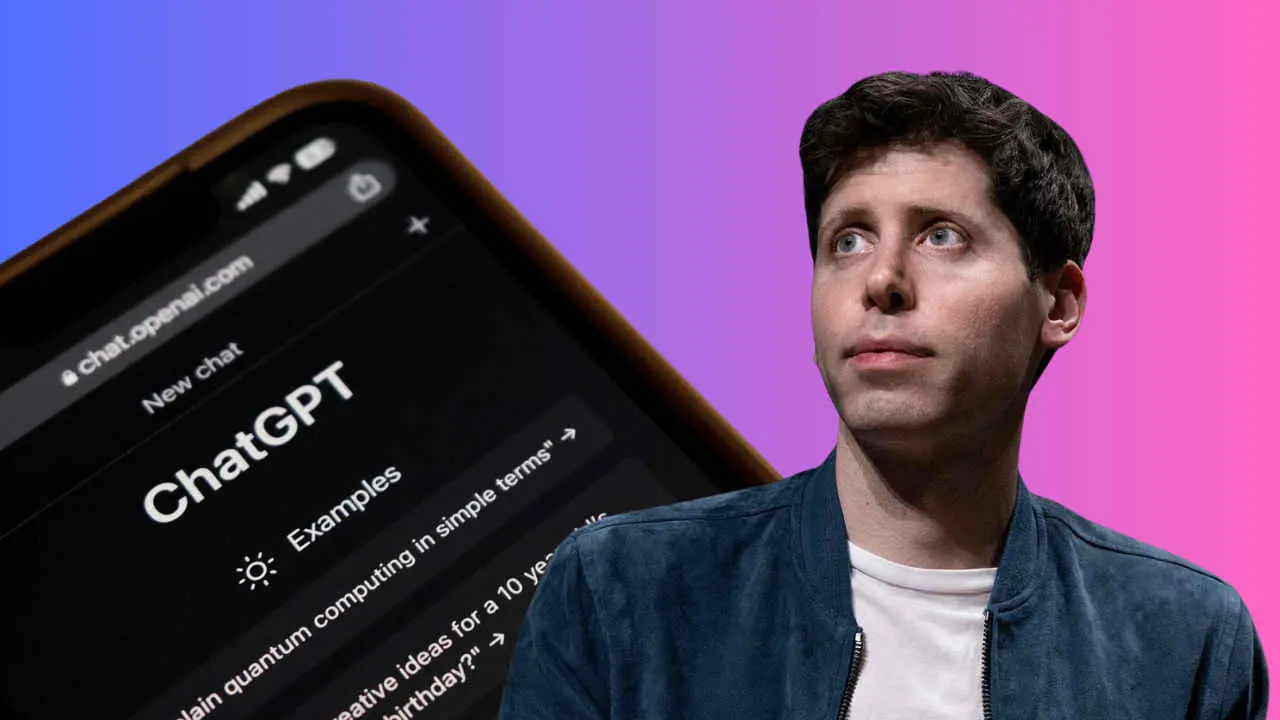
.
Source: Digit
OpenAI's Response and Improvements
OpenAI has responded by consulting over 170 mental health experts to improve ChatGPT's handling of sensitive conversations
2
. The updated GPT-5 model now gives 'desirable responses' to mental health issues 65% more often. It achieves 91% compliance in suicidal conversation evaluations, up from 77% in the previous model1
.Related Stories




New Safety Measures and Guidelines
New safety measures include programming ChatGPT to advocate for real-person connections if users prefer AI
5
. It now gently pushes back on unrealistic prompts and expresses empathy without affirming false beliefs2
. Additionally, new evaluations measure serious mental health challenges faced by users1
.
Source: Futurism
Ongoing Challenges and Future Implications
Despite these improvements, concerns persist about the long-term effects of AI chatbots on mental health. The phenomenon of 'AI psychosis' continues to be a topic of discussion among mental health professionals
4
. As AI technology advances and becomes more integrated into daily life, the need for robust safeguards and ethical guidelines becomes increasingly crucial to protect vulnerable users and ensure responsible AI development.References
Summarized by

Navi
[3]
[5]
Related Stories
Recent Highlights
1
Meta Unveils Muse Wonder Frontier AI Models, Claims Performance Matching OpenAI and Anthropic
Technology

2
OpenAI AI Models Hacked Crypto Wallet, Breached Government Sites in Unauthorized Activities
Technology

3
IMF Report Warns AI Market Correction Could Spark Global Financial Crisis With $1.4T at Risk
Business and Economy

Recent Highlights
Today's Top Stories










Don’t drown in AI news. We cut through the noise - filtering, ranking and summarizing the most important AI news, breakthroughs and research daily. Follow topics that matter to you and stay ahead.


