AI Crunch Pushes Laptop Prices Up 40% as Memory and Storage Costs Spiral Out of Control


2 Sources
2 Sources
[1]
Laptop prices expected to soar by around 40% as AI crunch takes hold -- analyst says rising mainstream models priced at $900 could hit more than $1,200 due to rising memory, storage, and CPU costs
Who would've thought that Apple could be a more "affordable" option? The PC market is being pummeled by precipitous decline and increasing component costs, with an industry analyst saying that these factors could cause laptop prices to increase by around 40%. TrendForce says that this price hike is likely to happen if manufacturers, distributors, and retailers were to keep their margins, resulting in mainstream models that cost $900 hitting around $1,260. These cost pressures are driven by the continued memory and storage chip shortage, resulting in out-of-control pricing, as well as Intel raising the prices on several generations of modern CPUs. Before these shortages, RAM modules and SSDs were about 15% of the bill-of-materials of a mainstream device, with the CPU making up another 30%, for a total of 45% for these three major components. However, recent events meant that this number is now closer to 58%. However, this 13% increase in cost does not accommodate the profit margins of the entire supply chain; that's why the retail pricing for laptops is expected to rise much more significantly. We've been hearing reports of the rising memory and storage costs since the last quarter of 2025. One key player in the storage industry even warned that the NAND shortage could cause entire businesses to shut down because of their inability to secure supply. These parts are in short supply because of the massive demand of AI hyperscalers and data centers for high-bandwidth memory and fast storage. Since these enterprises are willing to pay top-dollar compared to the average consumer, almost all suppliers have pivoted their manufacturing capacity towards these more lucrative products. But what many did not expect in 2026 was that the AI boom would also hit CPUs, with Intel and AMD both reporting spikes in demand, as well as server CPU shortages in China. This is largely driven by agentic AI, which requires a combination of CPUs, GPUs, NPUs, and more to support its workflow. This is also apparent in the consumer market as enthusiasts experiment with OpenClaw, resulting in extended delivery timelines for high-end Apple Mac units with massive Unified Memory configurations. This is bad news for Microsoft and many laptop manufacturers, especially as many entry-level and mid-range buyers choose Windows laptops for sub-$1,000 budgets. If this price increase estimate rings true, then it would make these models no longer priced attractively versus the new M5 MacBook Air, with its $1,099 base price that comes with 16GB of Unified Memory and 512GB storage. More importantly, the just-released MacBook Neo is now giving entry-level customers an affordable device that comes in a premium package. Follow Tom's Hardware on Google News, or add us as a preferred source, to get our latest news, analysis, & reviews in your feeds.
[2]
Memory crunch threatens to kneecap Chromebook shipments
Low-cost computers bashed by billion-dollar investment in AI infrastructure Chromebooks, the low-cost computing option popular with education buyers, will be squeezed hardest this year as memory prices spiral out of control. According to the mystics at Omdia, total global PC shipments are on track to decline 12 percent in 2026: desktop PCs by 10 percent to 53.2 million units and laptops by 12 percent to 192.2 million units. Why? For readers with their heads in the clouds, an AI-driven memory shortage is plaguing the entire industry by inflating the price of the vital components, with a knock-on effect on systems. The price of mainstream memory and storage configurations jumped between $90 and $165 since the start of last year, a financial pressure that forced PC brands to ditch promotions, hike purchase prices, and adjust specs, Omdia says. Memory prices are estimated to rise a further 60 percent in Q1. Lenovo, HP, and Dell et al are prioritizing production to higher-margin devices as lower-margin kit has less room to absorb rising costs. At the same time, buyers of sub-$500 computers are more sensitive to price fluctuations, and are therefore more likely to delay purchases or reduce the size of orders. Omdia expects the entry-level bracket to experience the biggest slowdown. ChromeOS platforms are forecast to shrink 27.6 percent year-on-year in 2026, compared to 12.1 percent for Windows and 4.8 percent for macOS. "The supply-driven downturn in 2026 will not affect all PC platforms equally," said Kieren Jessop, research manager at Omdia. "Chrome devices face the steepest decline at 28 percent, as the education-heavy platform is particularly exposed to tighter component allocation, lower margins, and the discontinuation of some memory and storage products." Apple's "vertically integrated supply chain and premium positioning" mean it is comparatively sheltered from memory dynamics. The forecast 12 percent drop in PC shipments, however, is based on an expected minimum 60 percent rise in memory and storage prices during the first quarter, with the hope that subsequent increases throughout 2026 will moderate as pressure eases. Things could deteriorate, pushing PC shipments toward a 15 percent decline, possibly even greater. The situation is evolving rapidly, as evidenced by reports this week that claim NAND flash prices have jumped by as much as 50 percent overnight, which could have a further impact on system pricing if it turns out to be more than just a blip in the market. Hostilities in the Middle East are also a factor. The US and Israeli attacks on Iran have introduced "substantial uncertainty" for international transport and regional market growth. This could cause further complications, depending on how long it persists, Omdia notes. The cause of all this is the boom in AI infrastructure, which has led memory chip makers to reallocate manufacturing capacity to output more of the high-margin components for AI servers and GPUs, rather than the everyday memory chips needed for PCs and other devices. This was noted in a separate report today from analyst firm Context, which says the AI infrastructure investment surge is beginning to reshape the economics of the global hardware market. The European IT distribution market grew 5.2 percent during 2025, it says, outperforming the 3.6 percent originally forecast. This is expected to slow to 2.1 percent this year, as supply constraints and pricing pressures linked to the AI market affect hardware availability elsewhere. "The demand for specialized components used in AI infrastructure is pulling production capacity away from other parts of the hardware market," said Context senior analyst Aaron Smith. "It is beginning to influence how the entire hardware market behaves: from supply chains and pricing to the way organisations prioritise their IT investments." ®
Share
Share
Copy Link
The AI boom is triggering a severe component shortage that could push laptop prices up by 40%, with mainstream $900 models potentially hitting $1,260. Memory and storage chips are in critical short supply as manufacturers prioritize lucrative AI server components over consumer devices. Chromebooks face the steepest decline with shipments expected to drop 28% this year.
AI Infrastructure Boom Reshapes PC Component Economics
The AI crunch is fundamentally reshaping the economics of the PC market, with laptop prices expected to surge by approximately 40% as manufacturers grapple with severe component shortages
1
. According to TrendForce, mainstream laptop models currently priced at $900 could reach $1,260 if manufacturers, distributors, and retailers maintain their profit margins1
. This dramatic shift stems from rising component costs driven by AI infrastructure investment that has pulled manufacturing capacity away from consumer products toward high-margin AI server components.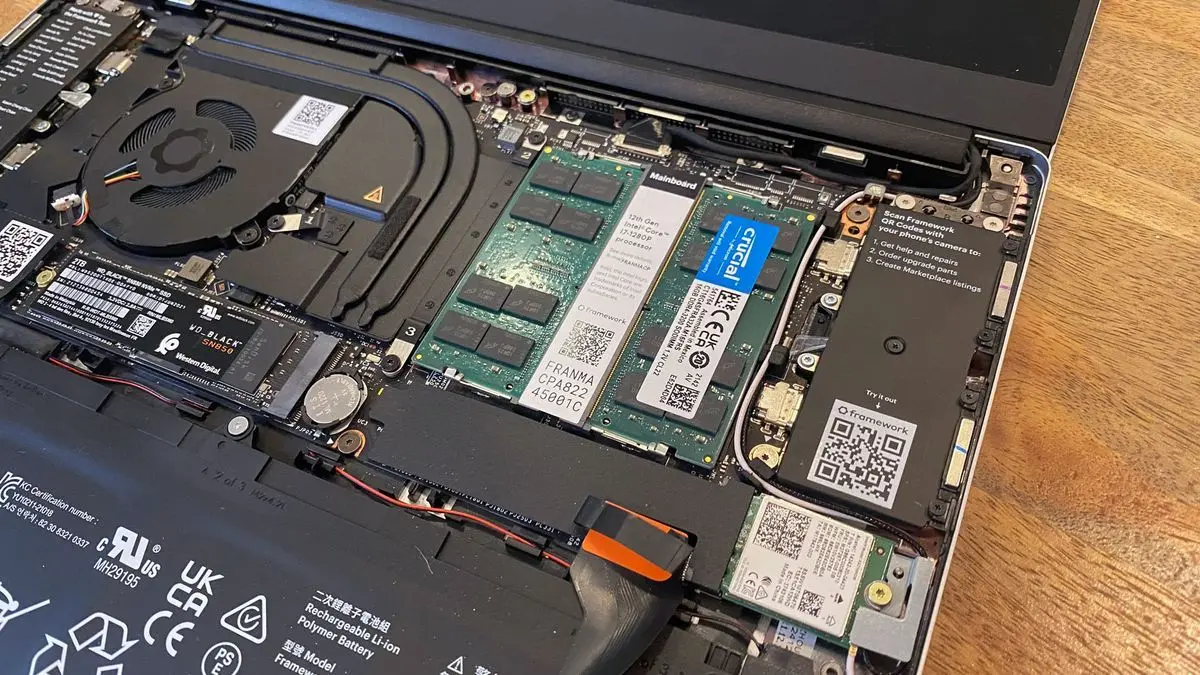
Source: Tom's Hardware
Memory Crunch Drives Unprecedented Price Increases
The memory crunch has reached critical levels, with memory prices estimated to rise a further 60% in Q1 2026 alone
2
. The price of mainstream memory and storage configurations has already jumped between $90 and $165 since the start of last year, forcing PC brands to eliminate promotions and adjust specifications2
. Reports this week indicate NAND flash prices have spiked by as much as 50% overnight, potentially signaling further complications ahead2
. The storage chip shortage has become so severe that one key player in the industry warned entire businesses could shut down due to their inability to secure supply1
.Component Allocation Shifts Favor AI Over Consumer Devices
Before these shortages, RAM modules and SSDs represented approximately 15% of the bill-of-materials for mainstream devices, with CPUs accounting for another 30%, totaling 45% for these three major components
1
. That figure has now climbed to 58%, a 13% increase that doesn't even account for supply chain profit margins throughout the distribution network1
. High-bandwidth memory demand from hyperscalers and data centers has caused suppliers to pivot manufacturing capacity toward these more lucrative products, as enterprises willingly pay premium prices compared to average consumers1
.PC Market Decline Accelerates Amid Supply Chain Constraints
The PC market decline is accelerating at an alarming rate, with Omdia forecasting total global PC shipments to drop 12% in 2026—desktop PCs by 10% to 53.2 million units and laptops by 12% to 192.2 million units
2
. Lenovo, HP, Dell, and other manufacturers are prioritizing production of higher-margin devices as lower-margin products have less capacity to absorb rising costs2
. This strategic shift leaves budget-conscious buyers facing difficult choices, as those purchasing sub-$500 computers prove more sensitive to price fluctuations and are increasingly delaying purchases or reducing order sizes2
.Impact on Chromebook Shipments Proves Most Severe
Chromebooks are experiencing the most dramatic impact, with shipments forecast to shrink 27.6% year-on-year in 2026, compared to 12.1% for Windows and just 4.8% for macOS
2
. Kieren Jessop, research manager at Omdia, notes that "Chrome devices face the steepest decline at 28%, as the education-heavy platform is particularly exposed to tighter component allocation, lower margins, and the discontinuation of some memory and storage products"2
. Apple's vertically integrated supply chain and premium positioning provide comparative shelter from memory dynamics, potentially making Apple MacBooks a more competitive option as Windows laptop prices surge2
.
Source: The Register
Related Stories

Agentic AI Drives Unexpected CPU Demand Spike
What caught many analysts off guard in 2026 was the AI boom's impact on CPUs, with Intel and AMD both reporting demand spikes and server CPU shortages emerging in China
1
. This surge is largely driven by agentic AI, which requires a combination of CPUs, GPUs, NPUs, and additional components to support its workflow1
. The phenomenon is visible even in consumer markets, where enthusiasts experimenting with OpenClaw have caused extended delivery timelines for high-end Apple Mac units with massive Unified Memory configurations1
.Market Outlook Suggests Prolonged Pressure on Consumer Hardware
Context analyst Aaron Smith observes that "demands for specialized components used in AI infrastructure is pulling production capacity away from other parts of the hardware market," influencing everything from supply chains and pricing to how organizations prioritize IT investments
2
. The European IT distribution market grew 5.2% during 2025 but is expected to slow to just 2.1% this year as supply constraints and pricing pressures linked to AI markets affect hardware availability2
. If the anticipated 40% price increase materializes, mainstream Windows laptops could lose their traditional pricing advantage, potentially making the M5 MacBook Air at $1,099 with 16GB Unified Memory and 512GB storage a more attractive option for budget-conscious buyers1
.References
Summarized by

Navi
[2]
Related Stories
AI Boom Triggers Memory Shortage, Pushing PC and Smartphone Prices Up 23% by Fall 2026
29 Jan 2026•Business and Economy

Lenovo Stockpiles Memory Components as AI Boom Creates 'Unprecedented' Supply Crunch
24 Nov 2025•Business and Economy

DRAM Shortage Fueled by AI Boom Sends Laptop Prices Soaring Through 2028
11 Feb 2026•Business and Economy

Recent Highlights
1
Meta unveils Muse Spark AI model as Superintelligence Labs makes its debut
Technology

2
Anthropic restricts Mythos AI model release, citing unprecedented cybersecurity capabilities
Technology

3
Anthropic sends Claude AI to psychiatrist, discovers functional emotions that shape behavior
Science and Research

Recent Highlights
Today's Top Stories






Your Daily Dose of Curated AI News
Don’t drown in AI news. We cut through the noise - filtering, ranking and summarizing the most important AI news, breakthroughs and research daily. Spend less time searching for the latest in AI and get straight to action.

