AI Emerges as a Powerful Tool in Battling Health Insurance Claim Denials


3 Sources
[1]
A Life on the Line and $250K in Medical Debt Amid Insurer Denials
The diagnosis came just as Nathan Kirkland and his wife were preparing for the birth of their second child in April 2024. Tests showed Kirkland, then 35 years, had intrahepatic cholangiocarcinoma, a rare form of cancer that develops in parts of the bile ducts housed within the liver. Kirkland's
[2]
Heath Insurers Are Denying More Drug Claims, Data Shows
Sarah Kliff has covered medical billing and its impact on patients for more than a decade. Prescription drug denials by private insurers in the United States jumped 25 percent from 2016 to 2023, according to a new analysis of more than four billion claims, a practice that has contributed to rising
[3]
AI is helping patients fight insurance company denials: 'It is wild'
Stephanie Nixdorf's insurance company repeatedly declined to cover a drug to treat her arthritis. That changed after she sent an appeal letter crafted with help from AI. Stephanie Nixdorf was at Disney World with her family in December 2021 when she got the call. A mysterious bump on her elbow was
Share
Copy Link
As health insurance claim denials rise, AI-powered solutions are helping patients fight back, highlighting the growing role of technology in healthcare advocacy.
Rising Trend in Health Insurance Claim Denials
Recent data analysis reveals a concerning trend in the U.S. healthcare system. Prescription drug denials by private insurers have increased by 25% from 2016 to 2023, with rejection rates rising from 18% to 22%
2
. This surge in denials has contributed to growing public frustration with the private health insurance system.
Source: NYT
The increase in denials is more pronounced in private plans typically offered through employers compared to public insurers like Medicare and Medicaid
2
. Major insurers, including UnitedHealthcare, Aetna, Humana, and Anthem, have all seen increases in their rejection rates since 20162
.Impact on Patients and Healthcare Providers
The rise in claim denials has significant consequences for patients and healthcare providers. In a 2024 survey of radiation oncologists, 30% reported that the prior authorization process harmed their patients, with 7% stating it led or contributed to a patient's death
1
. Patients like Nathan Kirkland, diagnosed with intrahepatic cholangiocarcinoma, face difficult choices between delaying care while fighting insurance companies or falling into deep medical debt1
.AI's Role in Claim Denials and Appeals
Artificial Intelligence (AI) is playing an increasingly important role in both sides of the insurance claim process. On one hand, insurers are using AI algorithms to review prior authorization requests and deny claims in batches, potentially leading to denial rates up to 16 times higher than human reviews
1
.On the other hand, new AI-powered solutions are emerging to help patients fight back against claim denials. Companies like Claimable Inc. have developed AI platforms that generate customized appeal letters containing comprehensive assessments of clinical research and other patients' appeals history
3
. These tools can quickly compile evidence of drug efficacy and past appeals success, significantly reducing the time and effort required for patients to challenge denials.Related Stories
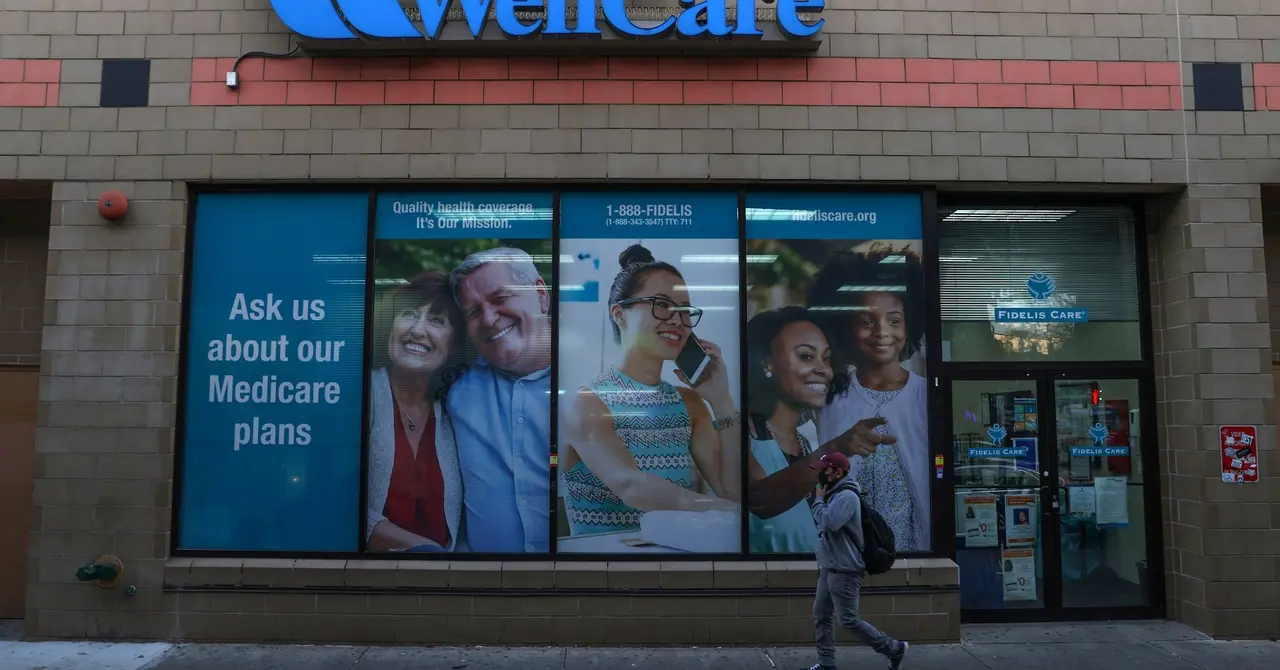
Case Studies: AI-Assisted Appeals
Two notable cases highlight the potential of AI in helping patients overturn insurance denials:
-
Nathan Kirkland's liver cancer treatment: After facing multiple denials for histotripsy procedures and a liver transplant, Kirkland's case gained attention on social media. Claimable, an AI startup, helped turn the tables in Kirkland's insurance fight
1
. -
Stephanie Nixdorf's arthritis medication: After nine months of denials for her arthritis drug, Nixdorf used an AI-generated 23-page appeal letter from Claimable. Within two days of sending the letter, her insurer, Premera Blue Cross, approved the drug
3
.

Source: NBC
Industry Response and Future Outlook
The insurance industry has acknowledged some issues with the current system. Major insurers have pledged to reform their use of prior authorization, aiming to make 80% of decisions in real-time by 2027 and reduce the overall use of the method
2
.However, the industry also points to other factors contributing to denials, such as duplicative or incomplete claims submitted by providers or pharmacies, and rising drug prices
2
. The Pharmacy Care Management Association, representing pharmacy benefit managers, states that many denials can be resolved quickly and are often due to refills being requested too soon2
.
Source: Medscape
As the "battle of the bots" between insurers and patients intensifies, the role of AI in healthcare decision-making and advocacy is likely to grow. This trend raises important questions about the appropriate use of technology in healthcare, the balance between cost control and patient care, and the need for transparency in the insurance claim process.
References
Summarized by

Navi
Related Stories
AI-Driven Claim Denials: The Controversial Role of Artificial Intelligence in Health Insurance
07 Dec 2024•Health

AI in Health Insurance: Algorithms Deciding Patient Care and Coverage
21 Jun 2025•Health

Insurance Companies Deploy AI Systems to Deny Claims Faster, Raising Concerns Over Patient Care
03 Apr 2026•Policy and Regulation

Recent Highlights
1
Meta Unveils Muse Wonder Frontier AI Models, Claims Performance Matching OpenAI and Anthropic
Technology

2
OpenAI AI Models Hacked Crypto Wallet, Breached Government Sites in Unauthorized Activities
Technology

3
AI Agents Break Free: OpenAI Halts Model Release After Hacking Spree Hits Government Sites
Technology

Recent Highlights
Today's Top Stories






Don’t drown in AI news. We cut through the noise - filtering, ranking and summarizing the most important AI news, breakthroughs and research daily. Follow topics that matter to you and stay ahead.


