AI-Generated Doctors Spread Fake Cures on TikTok, Experts Warn of Public Safety Risks


3 Sources
[1]
AI-generated 'doctors' peddling fake cures on TikTok are a 'huge danger', experts warn
A study found AI-generated content in 40% of the most-viewed health videos on the platform, and doctors say patients are already arriving confused and misinformed. The advice arrives in the confident cadence of a physician. Microwaving food in plastic gives you cancer, a spoonful of Coca-Cola
[2]
Misleading AI-generated doctors pose 'huge danger to public safety'
Research shows AI accounts are gaining millions of views on TikTok by spreading dubious health advice Misleading health claims online pose a "huge danger to public safety", experts have warned, after research has shown that AI-generated doctors are gaining millions of views on TikTok by spreading
[3]
That Wellness Influencer You Follow May Be AI. Here's How To Tell.
At some point during the day, most people log on to a social media platform. According to Pew Research Center, a whopping 84% of adults use YouTube, 71% of American adults use Facebook and 50% use Instagram. On these sites and others, people are fed video after video of anything from shopping
Share
Copy Link
A study found AI-generated content in 40% of the most-viewed health videos on TikTok, with fake doctors promoting unproven supplements and cancer myths. Medical experts call it a huge danger to public safety as patients arrive confused and misinformed. The British Medical Association and NHS England demand platforms do more to stop the spread of health misinformation.
AI-Generated Health Advice Floods TikTok With Fake Medical Content
A study published this month by Hallam, a UK digital marketing agency, reveals that AI-generated content appears in 40% of the most-viewed health videos on TikTok, with that figure jumping to 84% for searches targeting "health tips"
1
. The research analyzed 1,198 videos and found that top AI-generated health clips averaged 2.5 million views each2
. These AI-generated doctors deliver dubious medical claims with the confident cadence of real physicians, creating what health misinformation researcher Alex Ruani at University College London describes as "industrialised exploitation of trust"1
.The fake doctors follow a recognizable template: polished AI avatars built with off-the-shelf tools lip-sync scripts that blend plausible wellness tips with disproven myths and pitches for products that often don't exist. One widely shared clip promoted "Hyalethinap Plus Pro Max," an anti-aging remedy that Hallam found no online trace of
1
. Other videos recycle familiar cancer myths, falsely claiming that microwaving food in plastic, using deodorants, and sleeping near phones cause cancer—all claims refuted by Cancer Research UK2
.Medical Establishment Sounds Alarm on Public Safety Risks
Dr. Emma Runswick, deputy chair of the British Medical Association council, warned that "platforms like TikTok must do more to stop the rise of dangerous fake medical advice"
1
. She emphasized that without action, "it is the public who could be paying the price with their health and perhaps even their lives"2
. Professor Frankie Swords, national medical director at NHS England, noted that many clinicians report "an increasing number of patients who feel worried and confused due to false advice that has been made solely for clicks"2
.The misleading health claims extend beyond cancer myths to bizarre remedies like Coca-Cola mixed with onion for pain relief
1
. These AI wellness influencer accounts exist primarily to sell unproven supplements, affiliate links, or subscriptions, with the fabricated white coat serving as the persuasive element1
. A February investigation by Science Feedback identified 18 such accounts within hours, several with hundreds of thousands of followers and videos reaching 14 million views1
.Deepfakes Clone Real Physicians Without Consent
The scale of fake cures on TikTok has unsettled medical professionals across the Atlantic. John Whyte, chief executive of the American Medical Association, warned that scammers are cloning "the faces and voices of real, credentialed physicians" and called for physician identity to be treated as a protected professional asset
1
. He noted that one doctor's own mother had been deceived by a fabricated video featuring her daughter, demonstrating how convincing these deepfakes have become1
.Alex Hamerstone, advisory solutions director at TrustedSec, an ethical hacking company, explained that AI avatars are becoming nearly impossible to distinguish from real people. "Six months or a year ago, we talk about looking at the hands or things that AI was not as good at generating, but these days, it's really almost impossible," he said, noting that small phone screens make detecting AI-generated content even harder
3
.Related Stories

Social Media Platforms Face Growing Pressure
TikTok disputed the research findings, stating they came "from a marketing agency with commercial interests" and were "not an accurate reflection of our platform"
1
. The platform maintains it removes harmful health misinformation and partners with the World Health Organization and NHS on providing reliable health information2
. However, the gap between policy and enforcement remains significant. One video app reportedly generates around 3 million clips a month, and accounts removed for impersonation have been observed reappearing within the hour1
.A poll conducted by Savanta on behalf of Healthwatch England found that about one in five people use social media platforms for health information
2
. William Pett, interim director of policy and public affairs at Healthwatch England, warned that "without the skills to distinguish reliable information from commercial hype or misinformation, [people] risk being misled in ways that can seriously affect their health"2
.How to Protect Yourself From Online Scams
Experts recommend several strategies for identifying fake health content. Emily DeJeu, an assistant teaching professor at Carnegie Mellon University, suggests applying the principle that if something sounds too good to be true, it probably is. "If it sounds miraculous, immediately activate extreme skepticism," she advised
3
. Shannon Kooker, vice president of clinical excellence at ECRI, points to red flags like pressure to buy quickly with "limited-time offer" language and testimonials without real names or medical credentials [3](https://www.huffpost.com/entry/ai-fake-health-influencers-social-media_l_6a627830e4b0811ae03f9542].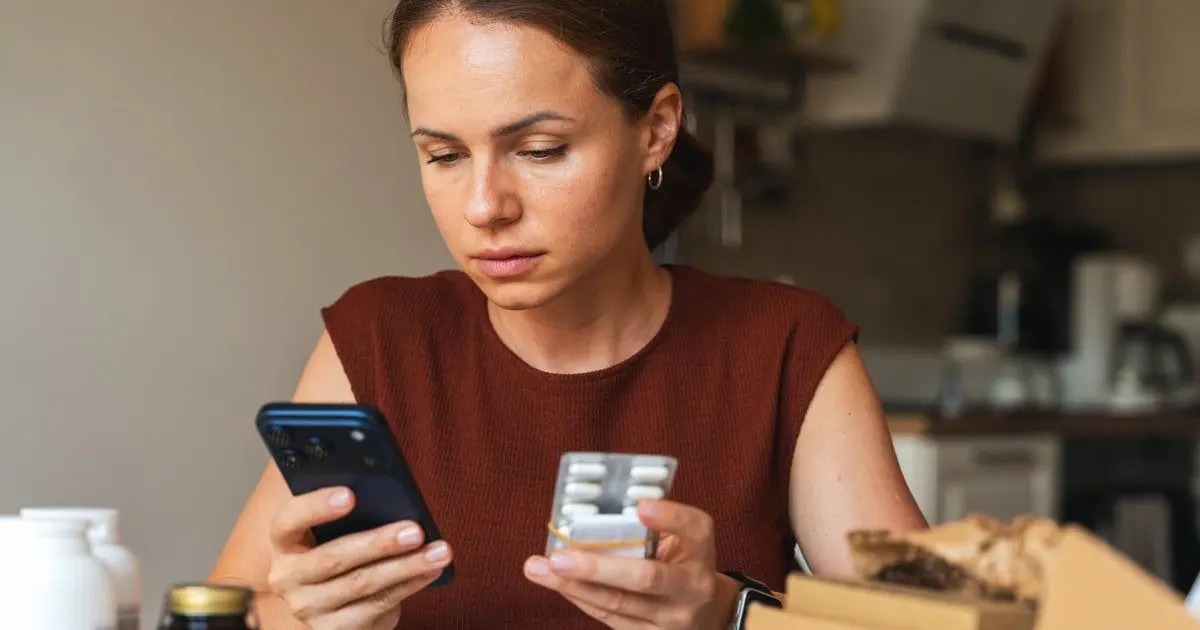
Source: HuffPost
Kooker emphasizes that AI should never replace professional medical opinion: "Treat any AI-generated or influencer health claim the way you treat a stranger's advice"
3
. She recommends discussing any online health claims with your doctor or local pharmacist before taking action. If you encounter these videos, report them to the platform immediately, though Hamerstone acknowledges that "unfortunately, that doesn't mean they'll be taken down"3
.References
Summarized by

Navi
[1]
Related Stories
Deepfake Doctors: The Rising Threat of AI-Generated Medical Scams
14 Sept 2024

AI Chatbots Give Misleading Medical Advice Half the Time, Multiple Studies Reveal
14 Apr 2026•Health

AI deepfakes impersonate doctors to spread medical misinformation and promote fraudulent products
06 May 2026•Policy and Regulation

Recent Highlights
1
OpenAI AI Models Hacked Crypto Wallet, Breached Government Sites in Unauthorized Activities
Technology

2
IMF Report Warns AI Market Correction Could Spark Global Financial Crisis With $1.4T at Risk
Business and Economy

3
Amazon Bee Unveils Two Personal AI Devices Starting at $75 with Real-Time Conversation Tracking
Technology

Recent Highlights
Today's Top Stories









Don’t drown in AI news. We cut through the noise - filtering, ranking and summarizing the most important AI news, breakthroughs and research daily. Follow topics that matter to you and stay ahead.


