AI in Healthcare: Promises and Pitfalls of Medical Advice Chatbots

2 Sources
[4]
Software developers want AI to give medical advice, but questions abound about accuracy
Software designers are testing specialized AI-powered chatbots that can give medical advice and diagnose conditions -- but questions abound about accuracy. This spring, Google unveiled an "AI Overview" feature where answers from the company's chatbot started to appear above typical search results,
[5]
Software providers test healthcare AI bots, but are they accurate?
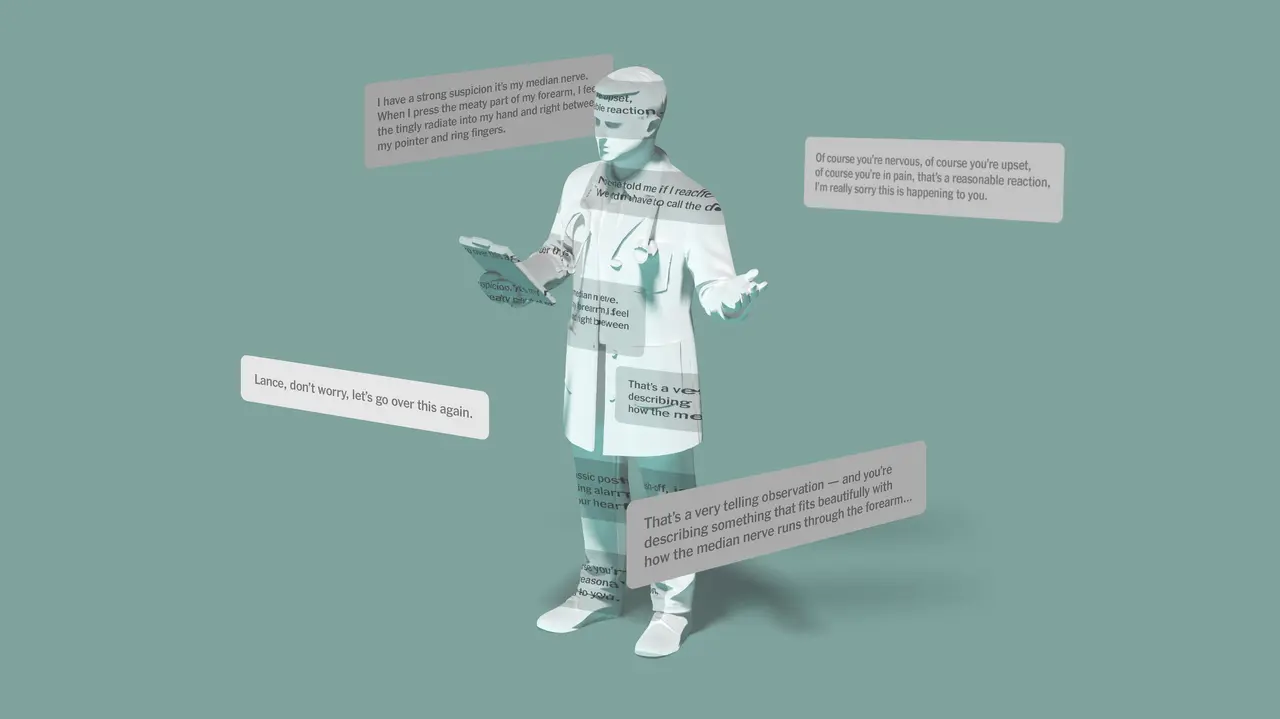
With medical providers facing rising levels of burnout, software designers are testing specialized AI-powered chatbots that they hope provide preventative care advice to patients. However, CBS News Confirmed found that the summaries given from existing AI bots like ChatGPT aren't always accurate.
Share
Copy Link
Software developers are exploring the use of AI chatbots for medical advice, raising questions about accuracy and potential risks. While these tools show promise, experts caution against relying solely on AI for healthcare decisions.

The Rise of AI in Healthcare
As artificial intelligence continues to evolve, software developers are increasingly turning their attention to the healthcare sector. A growing trend is the development of AI chatbots designed to provide medical advice to users. These chatbots, powered by large language models similar to ChatGPT, are being marketed as potential tools to assist with healthcare decisions
1
.Accuracy Concerns
While the idea of AI-powered medical advice seems promising, experts are raising concerns about the accuracy and reliability of these systems. Dr. Bertalan Mesko, Director of The Medical Futurist Institute, warns that current AI models are not yet capable of providing accurate medical diagnoses or treatment recommendations
1
. A study conducted by the University of California San Diego tested the accuracy of ChatGPT in providing medical advice. The results showed that while the AI performed well in some areas, it also made significant errors. In one instance, the chatbot incorrectly suggested that a patient with chest pain should take an aspirin, potentially leading to dangerous consequences1
.Potential Benefits and Risks
Despite the concerns, proponents argue that AI chatbots could help alleviate the strain on healthcare systems by providing quick, accessible information to patients. They suggest that these tools could be particularly useful for triage, helping users determine whether they need to seek professional medical attention
1
.However, critics worry about the potential risks of relying on AI for medical advice. There are concerns about privacy, data security, and the possibility of AI systems perpetuating biases present in their training data. Additionally, there's a risk that users might prioritize AI-generated advice over consulting with human healthcare professionals.
Related Stories


Regulatory Challenges
As AI continues to make inroads into healthcare, regulators are grappling with how to oversee these new technologies. The U.S. Food and Drug Administration (FDA) is working on developing guidelines for AI in healthcare, but the rapid pace of technological advancement poses challenges for creating comprehensive regulations
2
.The Future of AI in Healthcare
While current AI models may not be ready to replace human doctors, many experts believe that AI will play an increasingly important role in healthcare. The key will be finding the right balance between leveraging AI's capabilities and maintaining the critical human element in medical care. As research and development continue, it's likely that we'll see more sophisticated and accurate AI healthcare tools in the future, potentially revolutionizing how we approach medical advice and treatment.
References
Summarized by

Navi
Related Stories
Recent Highlights
1
Meta Unveils Muse Wonder Frontier AI Models, Claims Performance Matching OpenAI and Anthropic
Technology

2
IMF Report Warns AI Market Correction Could Spark Global Financial Crisis With $1.4T at Risk
Business and Economy

3
OpenAI Releases 722 AI-Generated Math Solutions, Triggering Existential Crisis in Mathematics
Technology

Recent Highlights
Today's Top Stories






Don’t drown in AI news. We cut through the noise - filtering, ranking and summarizing the most important AI news, breakthroughs and research daily. Follow topics that matter to you and stay ahead.


