AI-Powered Robots Revolutionize Food Delivery on University of Minnesota Campus


2 Sources
[1]
Robots will now deliver food to students on the University of Minnesota campus
MINNEAPOLIS -- Move over Door Dash and Uber Eats, there's a new food delivery service at the University of Minnesota, and this one doesn't need a driver. A roving robot will now satisfy student's cravings. Curiosity on the U of M campus grows as students and staff get their first robot deliveries
[2]
Ordering delivery at the U of M? A robot might drop the food at your dorm
Driving the news: The U announced the debut of both the Starship Technologies robots and its university-run food delivery service on Wednesday. How it works: Student, faculty staff and visitors can use Starship's app to place and track orders placed from the Panda Express, Starbucks and Erbert &
Share
Copy Link
The University of Minnesota introduces autonomous food delivery robots on campus, leveraging AI and machine learning to navigate and deliver meals to students and staff.

AI-Powered Robots Roll Out on University of Minnesota Campus
The University of Minnesota has introduced a fleet of autonomous food delivery robots, marking a significant advancement in campus services and AI application in everyday life. These robots, designed and operated by Starship Technologies, are set to transform how students and staff receive their meals on campus
1
.How the Robots Work
The delivery robots utilize sophisticated machine learning, artificial intelligence, and an array of sensors to navigate the campus environment. Joe Maloney, U.S. Launch Lead for Starship Technologies, explained, "Plenty of sensors and cameras all the way around, extremely accurate. Of course we have GPS"
1
. This technology enables the robots to cross streets, climb curbs, avoid obstacles, and operate in various weather conditions, including rain and snow.Service Details and User Experience
Currently, the robots deliver from Panda Express, Starbucks, and Erbert & Gerbert's located in Coffman Memorial Union. Users can place orders through the Starship Food Delivery app for a $2.49 fee plus a 10% delivery charge. The app allows customers to track their order's progress and unlock the robot's compartment upon arrival
2
.Addressing Campus Needs
Alice Roberts-Davis, Vice President for University Services, highlighted the robots' purpose: "We have a number of locations on campus that just don't have great accessibility to food and when students and faculty and staff are on campus, they want to be able to have food on tight class schedules"
1
. This initiative aims to improve food accessibility across the campus.Pilot Program and Safety Measures
The robot delivery service is part of a one-year pilot program approved by the Minneapolis City Council. To ensure safety, the robots are limited to a five-mile-per-hour speed limit and must adhere to traffic laws. Additionally, human operators can override the robots' AI systems if necessary
1
.Related Stories

Expansion and Future Prospects
Starting with 11 robots, the university plans to expand the fleet by the end of the week to meet growing student demand. While some initial challenges were reported, such as temporary pauses in early orders, the overall reception has been positive. Roberts-Davis noted, "They're excited. They're happy about what the robots will mean for them as far as convenience"
1
.Broader Context
The University of Minnesota is not the first to adopt this technology. Similar robot delivery systems have been in use on other campuses across the United States since at least 2019
2
. This implementation represents a growing trend in the application of AI and robotics in everyday campus life, potentially paving the way for wider adoption in urban environments.References
Summarized by

Navi
Related Stories
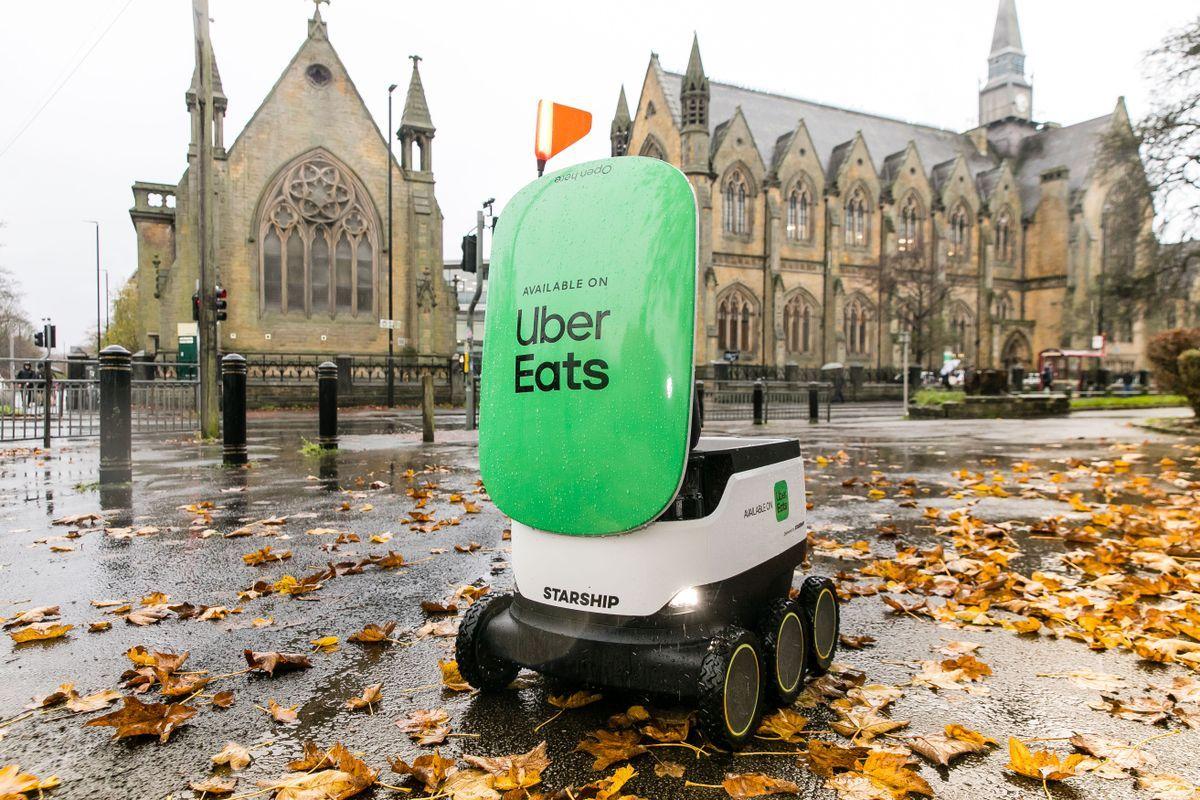
Uber Eats Partners with Starship Technologies to Launch Autonomous Robot Delivery Service
20 Nov 2025•Technology
DoorDash Unveils Dot: The Autonomous Robot Revolutionizing Food Delivery
01 Oct 2025•Technology

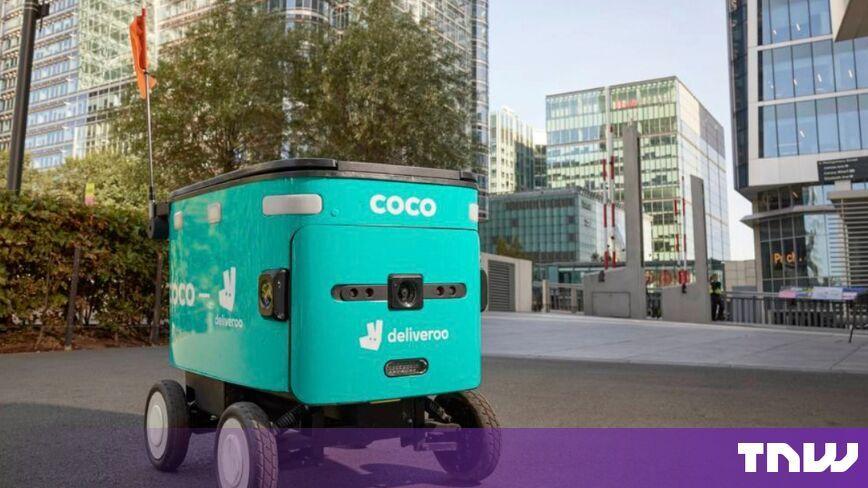
Deliveroo Rolls Out Coco Robotics Delivery Robots Across 5 UK Cities Starting This Month
05 Oct 2026•Technology
Recent Highlights



Recent Highlights
Today's Top Stories



Don’t drown in AI news. We cut through the noise - filtering, ranking and summarizing the most important AI news, breakthroughs and research daily. Follow topics that matter to you and stay ahead.


