AI's Attempt to Predict Papal Election Falls Short, Highlighting Challenges in Forecasting Unique Electoral Processes


2 Sources
[1]
AI predicted the next pope. Did it get it right?
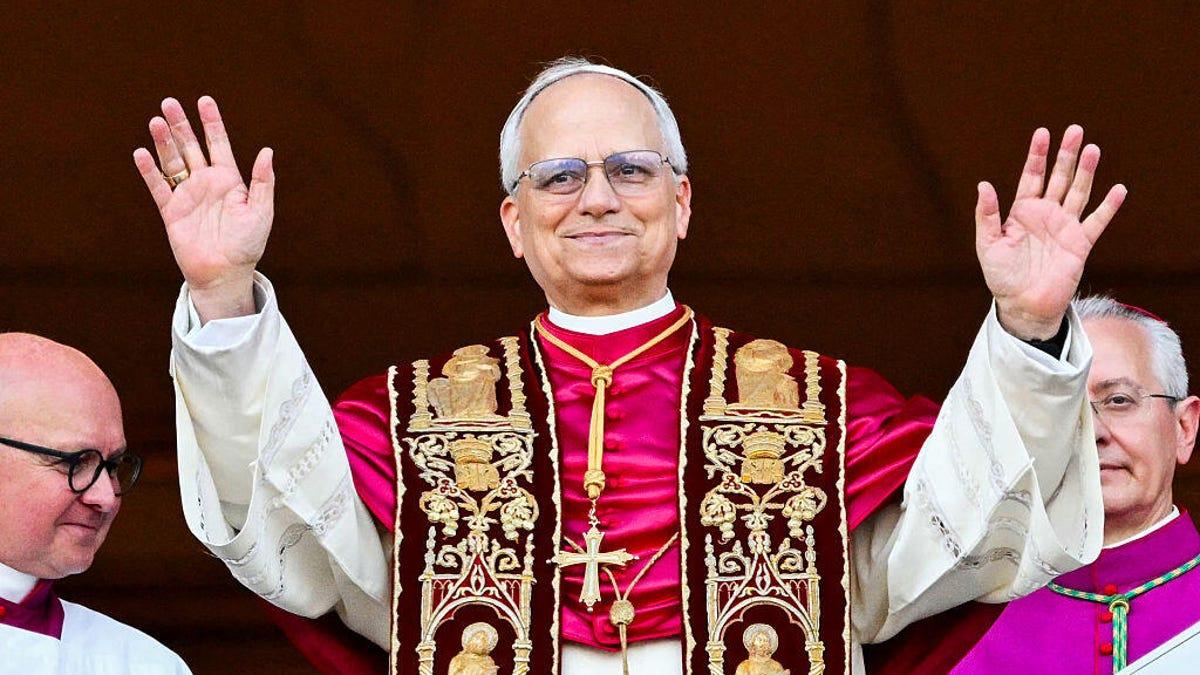
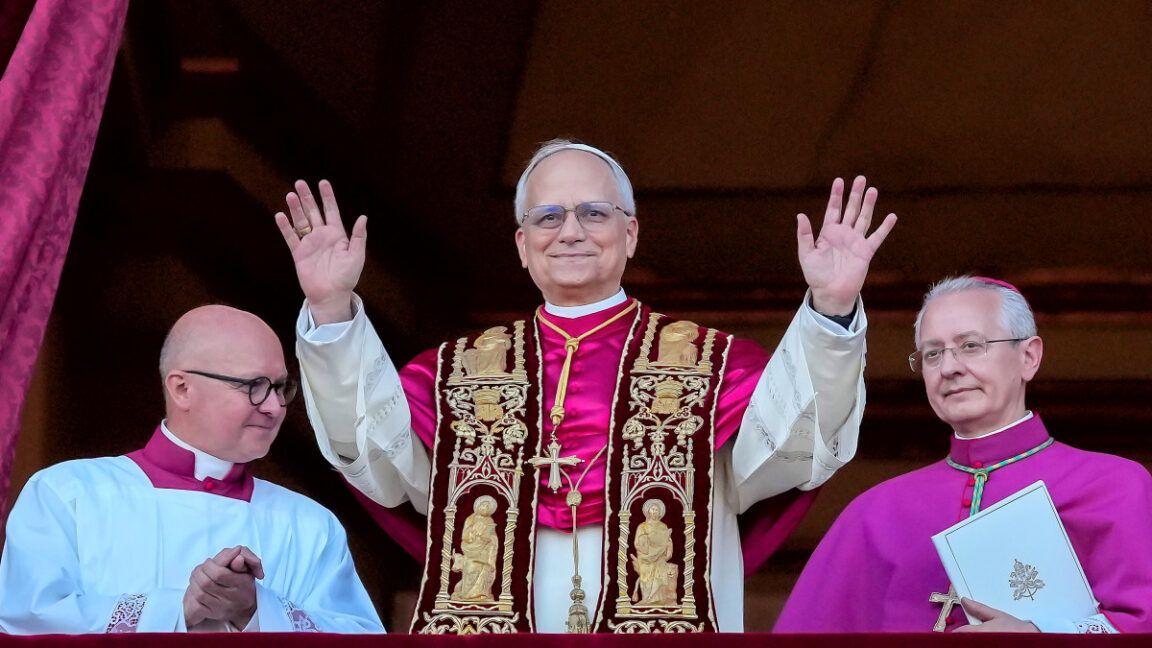
Habemus papam! Minutes ago, the Vatican announced that U.S. Cardinal Robert Prevost would be the next pope. Artificial intelligence (AI) made its own prediction earlier this week -- but Prevost was not on the shortlist. In a paper posted on the preprint site arXiv, a machine learning algorithm that
[2]
I asked Chat GPT who should be the next Pope -- here's what AI...
As cardinals deliberate behind closed doors in the Sistine Chapel to select a successor to Pope Francis, even artificial intelligence systems refused to predict who will wear the papal crown when the white smoke clears. When prompted with the question of who should be the next pope, the world's
Share
Copy Link
An AI algorithm's prediction for the next pope proves incorrect, sparking discussions about the limitations and potential applications of AI in forecasting unique electoral processes like papal conclaves.

AI's Papal Prediction Misses the Mark
In a recent development that has caught the attention of both the tech and religious communities, an artificial intelligence (AI) algorithm's attempt to predict the next pope has fallen short. The Vatican announced that U.S. Cardinal Robert Prevost would be the next pope, a choice that was not on the AI's shortlist
1
.The AI Model and Its Prediction
A team of researchers, including Eugenio Valdano from INSERM and Michele Re Fiorentin from the Polytechnic University of Turin, developed a machine learning algorithm to predict the outcome of the papal conclave. The model analyzed the ideological positions of 133 high-ranking Catholic Church officials on four key topics: attitudes toward same-sex couples, international migration and poverty, interfaith dialogues, and synodality
1
.The AI model predicted that Italian Cardinal Pietro Parolin would be the next head of the Catholic Church. Other candidates highlighted by the model included South African Archbishop Stephen Brislin and Filipino Cardinal Luis Antonio Tagle
1
.Challenges in Predicting Papal Elections
The researchers acknowledged the unique challenges posed by papal conclaves. Unlike political elections, conclaves generate very little data, with the process remaining largely secretive. The dynamics of an election involving a small group of people choosing from among themselves differ significantly from large-scale political elections
1
.Related Stories

AI Chatbots' Approach to Papal Predictions
In a separate experiment, various AI chatbots were asked about the potential next pope. Interestingly, these advanced systems showed a reluctance to make definitive predictions:
-
OpenAI's ChatGPT acknowledged the lack of clear consensus and listed potential frontrunners without endorsing any specific candidate
2
. -
Grok, developed by X (formerly Twitter), provided a detailed analysis of factors influencing the conclave but refrained from naming a preferred choice
2
. -
Claude, Anthropic's chatbot, adopted a reverent tone and focused on challenges facing the Church rather than endorsing candidates
2
.
Implications for AI in Electoral Predictions
While the AI's prediction for the papal election was incorrect, experts believe that the approach could still be valuable for other types of electoral contests. Data scientist Rohitash Chandra from the University of New South Wales Sydney suggested that the method of categorizing candidates' positions on specific topics could be applied to local elections
1
.However, the limitations of the model were also highlighted. Factors such as geography, popularity, and private discussions among electors during the conclave were not fully accounted for in the AI's predictions
1
.This event serves as a reminder of the complexities involved in predicting unique electoral processes and the current limitations of AI in fully capturing the nuances of human decision-making in such contexts.
References
Summarized by

Navi
[1]
[2]
Related Stories
AI Models and Prediction Markets Diverge on Next Pope Selection
24 Apr 2025•Technology

Pope Leo XIV Rejects AI Avatar, Warns of Technology's Impact on Humanity
19 Sept 2025•Technology
Pope Leo XIV Addresses AI as a Major Challenge, Echoing Historical Church Response to Industrial Revolution
10 May 2025•Policy and Regulation
Recent Highlights



Recent Highlights
Today's Top Stories



Don’t drown in AI news. We cut through the noise - filtering, ranking and summarizing the most important AI news, breakthroughs and research daily. Follow topics that matter to you and stay ahead.


