AI Tool Revolutionizes Kidney Transplant Outcome Prediction in the UK


2 Sources
[1]
AI tool outperforms existing methods in predicting outcomes for kidney transplant patients
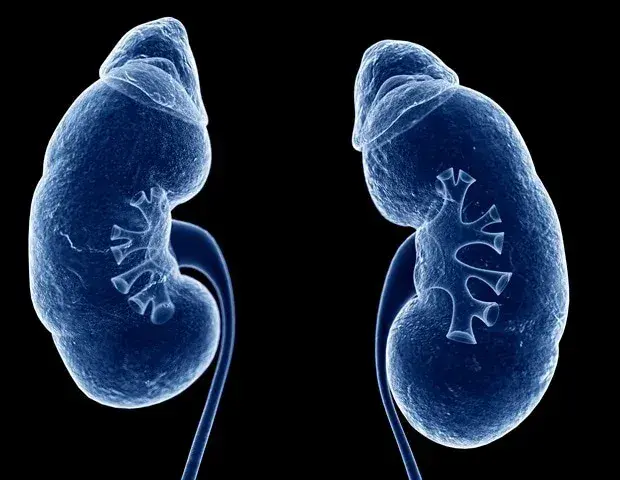
A new advanced artificial intelligence (AI) tool, developed by renal doctors internationally, represents a significant step forward in predicting and potentially improving outcomes for UK kidney transplant patients. For patients with late-stage renal failure, a kidney transplant can be
[2]
UK-DTOP tool promises improved outcomes for kidney transplant recipients
Taylor & Francis GroupOct 22 2024 A new advanced artificial intelligence (AI) tool, developed by renal doctors internationally, represents a significant step forward in predicting and potentially improving outcomes for UK kidney transplant patients. For patients with late-stage renal failure, a
Share
Copy Link
A new AI-powered tool, UK-DTOP, outperforms existing methods in predicting outcomes for kidney transplant patients, potentially improving organ allocation and patient care.

Revolutionary AI Tool Enhances Kidney Transplant Outcome Prediction
A groundbreaking artificial intelligence (AI) tool has been developed by an international team of renal specialists, promising to significantly improve outcome predictions for kidney transplant patients in the United Kingdom. The UK Deceased Donor Kidney Transplant Outcome Prediction (UK-DTOP) tool represents a major advancement in the field of transplant medicine, potentially revolutionizing organ allocation policies and enhancing patient care
1
2
.The Need for Advanced Prediction Models
In the UK, approximately 5,000 people are on the waiting list for a kidney transplant, with an average wait time of two to three years for a deceased donor organ. Given the scarcity of organs and the inherent risks associated with transplantation, it is crucial to ensure optimal allocation and use of every donated kidney
1
.Existing predictive models, such as the Kidney Donor Risk Index (KDRI), have shown limitations in accurately forecasting patient outcomes. This highlighted the urgent need for more sophisticated tools to guide clinical decision-making
2
.UK-DTOP: A Game-Changing AI Solution
The UK-DTOP tool was developed using advanced AI and machine learning techniques, analyzing data from 29,713 transplant cases recorded in the UK Transplant Registry between 2008 and 2022. This comprehensive dataset allowed the researchers to evaluate various donor, recipient, and transplant factors
1
2
.Key features of the UK-DTOP tool include:
-
Superior predictive power: With a predictive power of 0.74, UK-DTOP significantly outperforms the KDRI (0.57) and its UK counterpart, the UK-KDRI (0.62)
1
. -
Versatility: The tool assesses deceased donor kidney transplantation outcomes while recognizing that the final decision rests with the recipient and their risk tolerance
2
. -
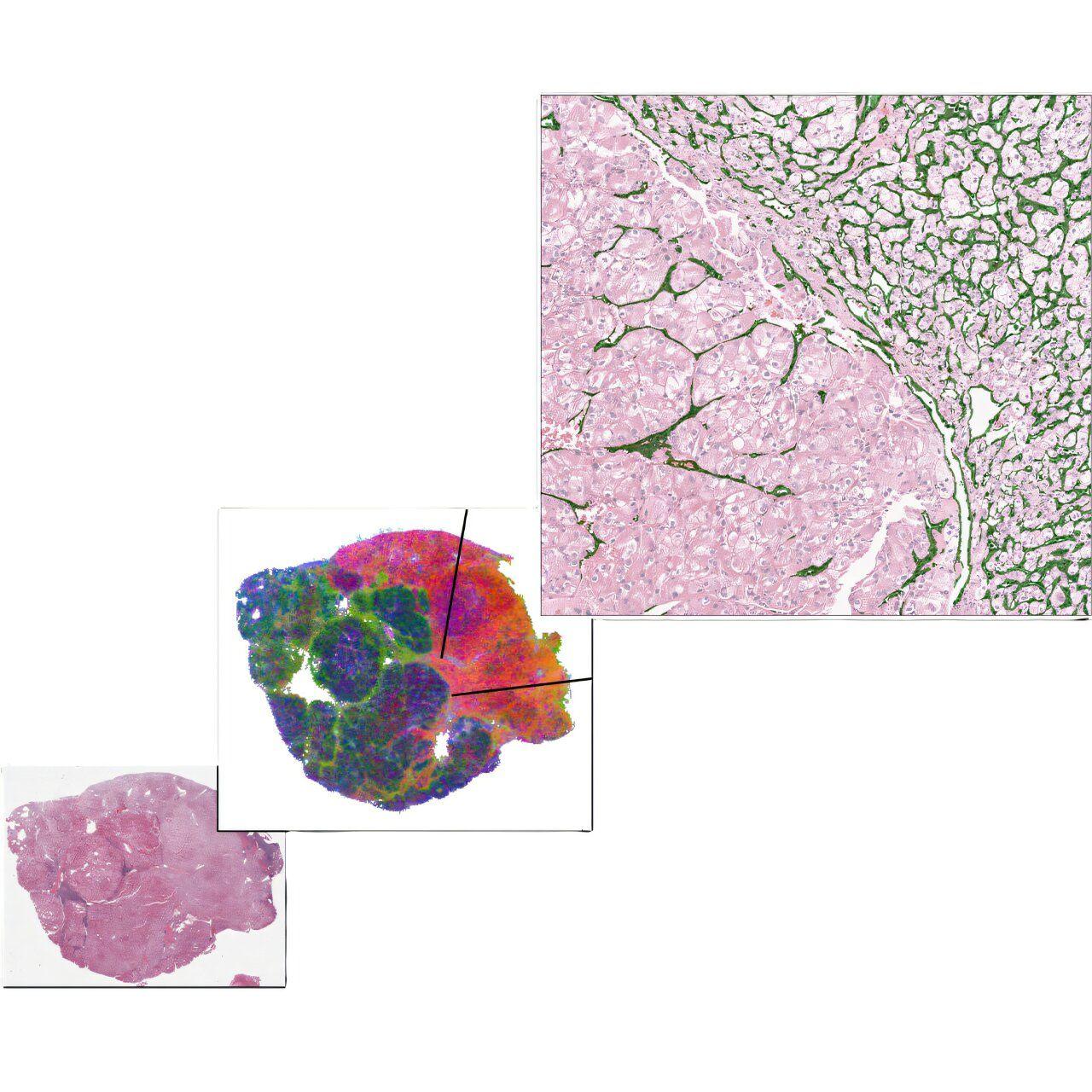
Personalized risk assessment: Using unsupervised machine learning techniques, the researchers identified five distinct groups of kidney transplant patients with varying survival rates, enabling more tailored risk assessments
1
2
.
Related Stories


Potential Impact on Transplant Medicine
Dr. Hatem Ali, a renal specialist at University Hospitals Coventry and Warwickshire NHS Trust and lead author of the study, believes that the UK-DTOP "promises to be a game changer in kidney transplantation"
1
. The tool's implementation could lead to:- More efficient organ allocation
- Improved donor selection and transplant strategies
- Better outcomes for kidney transplant patients
- Enhanced donor-recipient matching
Global Implications and Future Directions
The researchers advocate for a shift towards adopting advanced, data-driven tools across healthcare systems worldwide. Dr. Miklos Molnar, co-author from the University of Utah, suggests that this approach could potentially revolutionize donor-recipient matching and organ allocation, ultimately improving transplant success rates and saving lives
2
.While the UK-DTOP represents a significant advancement, the team acknowledges certain limitations, including variability in reported data, missing information on some donor characteristics, and the absence of certain factors that may influence long-term outcomes
1
2
. Future research may focus on addressing these limitations and further refining the tool's predictive capabilities.References
Summarized by

Navi
[1]
Related Stories
Recent Highlights



Recent Highlights
Today's Top Stories



Don’t drown in AI news. We cut through the noise - filtering, ranking and summarizing the most important AI news, breakthroughs and research daily. Follow topics that matter to you and stay ahead.


