AI Uncovers Hidden Bias in Amputation Rates Among Minority and Rural Patients


2 Sources
[1]
AI reveals hidden bias behind higher amputation rates in minority and rural patients
University of MarylandJul 10 2025 Why do rural adults and racial and ethnic minorities with vascular disease get major leg amputations more often? A new study out today in Epidemiology uses AI to solve the mystery, finding an unaccounted-for factor that researchers think points to implicit bias in
[2]
More rural, minoritized people get amputations -- AI gets closer to why
Why do rural adults and racial and ethnic minorities with vascular disease get major leg amputations more often? A new study out today in Epidemiology uses AI to solve the mystery, finding an unaccounted-for factor that researchers think points to implicit bias in the clinical decision-making
Share
Copy Link
A new study using AI reveals that implicit bias may be a significant factor in higher amputation rates for minority and rural patients with vascular disease, highlighting the need for evidence-based guidelines in clinical decision-making.
AI Uncovers Implicit Bias in Amputation Decisions
A groundbreaking study published in Epidemiology has employed artificial intelligence to investigate the disparities in amputation rates among patients with vascular disease. The research, led by Paula Strassle from the University of Maryland's School of Public Health, reveals that implicit bias may play a significant role in clinical decision-making, particularly affecting minority and rural patients
1
2
.The Scope of the Problem
Peripheral Artery Disease (PAD) affects over 12 million adults in the United States, with about 10% developing Chronic Limb-Threatening Ischemia (CLTI). These conditions can lead to severe outcomes, including limb loss. The study focused on hospitalizations between 2017 and 2019 across five states, examining cases of PAD and CLTI in patients under 40
1
.AI Model and Methodology
Researchers programmed an AI model to analyze over 70 variables contributing to differences in leg amputations. These variables included:
- Clinical factors (age, health conditions)
- Healthcare system capacity
- Legal and regulatory climate
- Physical environment (distance to emergency rooms, ZIP code median income)
This comprehensive approach allowed for a nuanced examination of intersectionality across race, sex, income, and rurality
2
.Key Findings
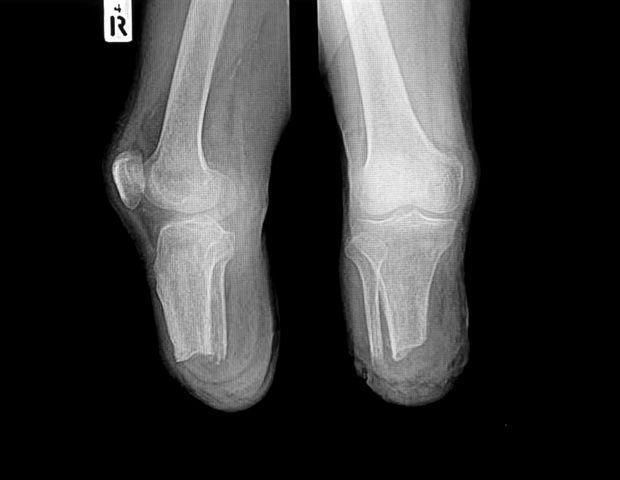
Source: News-Medical
After accounting for known clinical differences and variations in hospital and neighborhood resources, the study found persistently higher amputation rates among:
- Black, Hispanic, and Native American people in rural areas
- Black and Native American people in urban areas
These findings suggest a "substantial unexplained portion" that points to implicit bias in clinical decision-making at both physician and hospital levels
1
.Implications for Clinical Practice

Source: Medical Xpress
The study highlights the complexity of decision-making in vascular surgery. As Dr. Katharine McGinigle, a vascular surgeon and senior author of the paper, explains:
"As vascular surgeons, we have surgical guidelines, but we don't have detailed guidelines to help us make the decision between amputating someone's leg and limb-saving surgery in patients who are not medically ready"
2
.The researchers hope their findings will lead to the development of comprehensive, evidence-based guidelines that help clinicians avoid unconscious biases and make more objective decisions
1
.Related Stories

The Role of AI in Healthcare Equity
This study demonstrates the potential of AI in addressing healthcare disparities. By uncovering hidden biases and providing data-driven insights, AI can contribute to more equitable healthcare outcomes. As Strassle notes:
"This AI model will allow us to easily assess intersectionality across race, sex, income and rurality, and offers us the ability to indirectly study hard-to-measure causes of disparities, like implicit bias and stereotyping"
2
.Future Directions
The researchers aim for their findings to inform health policies and guidelines that promote objective decision-making in vascular surgery. By addressing unconscious biases and unjustified differences in care quality, they hope to improve outcomes for people living with advanced vascular disease, particularly those from minority and rural communities
1
2
.References
Summarized by

Navi
[1]
[2]
Related Stories
Researchers Call for Standardization of Race and Ethnicity Data in Medical AI to Address Bias
10 Jun 2025•Health

AI in Medicine: Study Reveals Socioeconomic Bias in Treatment Recommendations
08 Apr 2025•Health

AI screening tool boosts diabetic eye exam referrals for African Americans by 46%
09 Jun 2026•Health

Recent Highlights



Recent Highlights
Today's Top Stories



Don’t drown in AI news. We cut through the noise - filtering, ranking and summarizing the most important AI news, breakthroughs and research daily. Follow topics that matter to you and stay ahead.


