Alibaba launches Token Hub to consolidate AI divisions and accelerate enterprise monetization


6 Sources
[1]
Alibaba Plans Major Revamp to Heighten Focus on AI Profits
Alibaba Group Holding Ltd. is setting up a business unit to bring its sprawling AI services and development endeavors under a single umbrella, signaling its determination to profit off artificial intelligence. The company is moving the research team that develops its flagship Qwen models, the
[2]
Alibaba CEO takes helm of new AI-focused business group
SHANGHAI, March 16 (Reuters) - Alibaba Group (9988.HK), opens new tab CEO Eddie Wu will head its newly formed Alibaba Token Hub business group, which will focus on building artificial intelligence work platforms for enterprises, the firm said in a statement on Monday. The new group will comprise
[3]
Alibaba Token Hub to consolidate, boost Group's AI strategy
Alibaba Group has launched the Alibaba Token Hub (ATH), an AI-focused business division led by CEO Eddie Wu, consolidating key AI assets like Tongyi Laboratory and Qwen. This strategic shift separates AI operations from its cloud division, signaling a move towards a token-based monetization model
[4]
Alibaba Consolidates AI Divisions to Power the Agent Economy | PYMNTS.com
The new Alibaba Token Hub (ATH) Business Group is led by Alibaba Group CEO Eddie Wu, the company said in a Monday (March 16) press release. The unit brings together Tongyi Laboratory, which builds multimodal foundation models; MaaS Business Line, which builds technical infrastructure for AI; Qwen
[5]

Alibaba Forms Alibaba Token Hub to Scale Enterprise AI and Token Revenue
Alibaba's AI Unit Combines Research, Models, and Enterprise Tools Alibaba said its newly formed Alibaba Token Hub, or ATH, will focus on for enterprises. Wu will lead the unit directly. The group will include Tongyi Laboratory, the MaaS Business Line, Qwen, Wukong, and AI Innovation, bringing
[6]

Alibaba CEO takes helm of new AI-focused business group
SHANGHAI, March 16 (Reuters) - Alibaba Group CEO Eddie Wu will head its newly formed Alibaba Token Hub business group, which will focus on building artificial intelligence work platforms for enterprises, the firm said in a statement on Monday. The new group will comprise existing Alibaba units
Share
Copy Link
Alibaba Group is consolidating its sprawling AI operations under a new division called Alibaba Token Hub, led directly by CEO Eddie Wu. The restructuring brings together research teams, consumer apps, and enterprise tools under one umbrella, signaling the company's determination to profit from artificial intelligence through a token-based monetization model focused on AI agents and digital assistants.
Alibaba Token Hub consolidates scattered AI operations
Alibaba Group has launched the Alibaba Token Hub (ATH), an AI-focused business group that consolidates the company's fragmented artificial intelligence operations under a single organizational structure. CEO Eddie Wu will lead the new division directly, bringing together Tongyi Laboratory, the MaaS Business Line, Qwen, Wukong, and AI Innovation teams
1
2
. The restructuring also places DingTalk, Alibaba's Slack-like collaboration app, and Quark-branded devices including smart glasses under the new umbrella1
. This Alibaba AI restructuring represents a strategic shift away from bundling AI with cloud computing services, instead separating AI operations to sharpen focus on monetizing AI capabilities3
.
Source: PYMNTS
The move comes as Alibaba grapples with questions about its AI strategy following the recent departure of Lin Junyang, the research lead for Qwen, marking the third senior Qwen executive to exit this year
2
. The reorganization aims to quicken interaction between various teams that underpin Alibaba's broader effort, from researchers to product development and design1
.Enterprise AI and token-based monetization model take center stage
The division's name directly references tokens—the units of computing that companies charge users—signaling Alibaba's clear emphasis on building AI work platforms for enterprises. "ATH is built around a single organizing mission: create tokens, deliver tokens, and apply tokens," Wu stated in an internal memo
1
4
. This token-based monetization model centers on AI agents and digital assistants that operate continuously, executing tasks such as managing emails, scheduling, document editing, and research, leading to significantly higher token consumption3
.
Source: ET
Alibaba plans to release a dedicated agentic AI service for companies in the near term, banking on national enthusiasm around artificial intelligence assistants like OpenClaw that help users perform actual tasks
1
. The company may announce the new AI agent product, based on its flagship Qwen model and tailor-made for enterprises, as soon as this week. The company plans to gradually integrate other services with the agent, including online shopping site Taobao and fintech platform Alipay1
. The tool was developed by the team that runs DingTalk1
.Profitability challenges in the Chinese AI market persist
Domestic AI aspirants from Alibaba to MiniMax Group Inc. are finding it harder than Western rivals such as OpenAI to translate AI advances into profitability, given Chinese consumers' reluctance to pay for software subscriptions
1
. Most Chinese models are open-source and free to download, creating a wide disparity in revenue between the nation's leading developers and US peers such as Anthropic PBC1
. Top models like DeepSeek, Qwen and Zhipu's ChatGLM cost up to 10 to 20 times less than U.S. counterparts as Chinese players use cost-effectiveness to shore up global market share2
.With the latest restructuring, Alibaba is likely diverting more resources back to its enterprise-facing businesses after its consumer-facing Qwen app lagged behind competitor ByteDance Ltd.'s Doubao, despite spending billions of yuan in "red packet" consumer promotions during last month's Lunar New Year holiday
1
. The company also launched Wukong, a platform that brings together multiple AI agents under a single, unified interface, positioning itself to capture opportunities in the agent economy3
.Related Stories

Strategic coordination across the AI ecosystem
Eddie Wu, one of Alibaba's original co-founders who has served as CEO of the group and the Alibaba Cloud unit since 2023, outlined a plan last year to build a full-stack of AI offerings, including hardware, and promised over $53 billion of investment in the emerging technology
1
. In August 2025, Alibaba's cloud computing division earned 26% year-over-year revenue growth, driven in part by customers' increasing adoption of AI-related products. During that quarter, AI-related revenue accounted for over 20% of revenue from external customers as AI demand continued to grow rapidly4
.
Source: Reuters
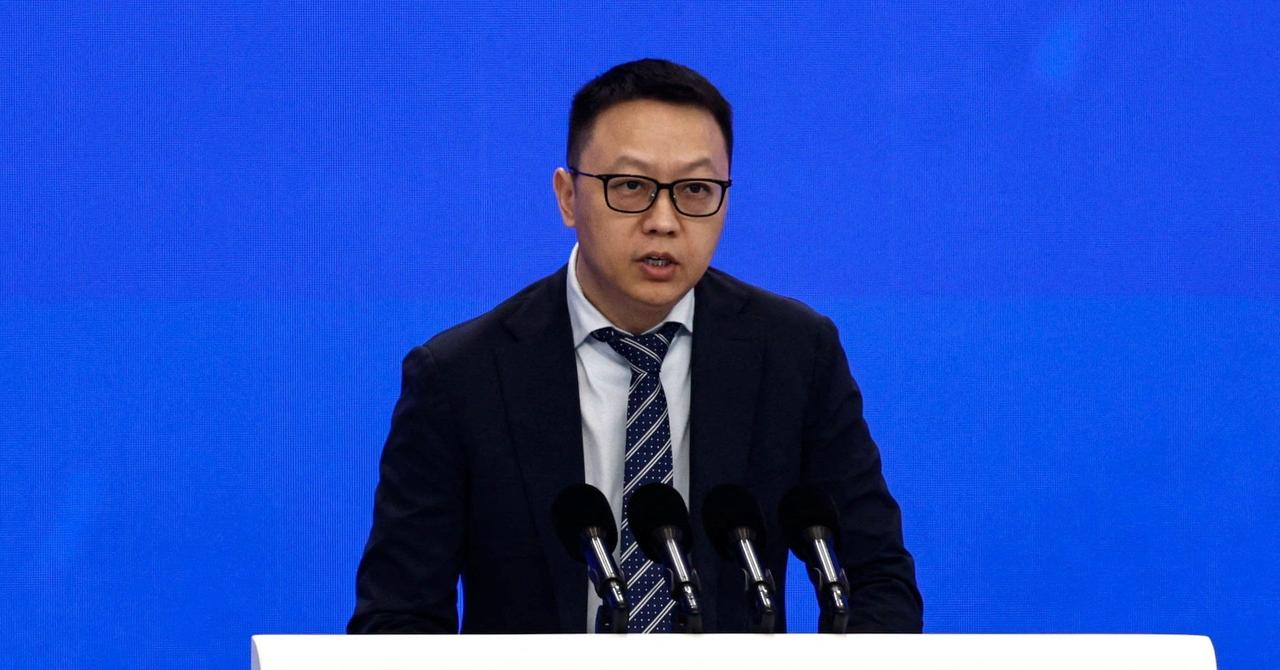
Wu emphasized that he will lead ATH directly "with a mandate to drive strategic coordination across our AI businesses, embed AI deeply into how we work, and preserve the agility that lets us move fast"
2
5
. Bloomberg Intelligence analysts suggest that Alibaba is set to deepen its agentic AI ecosystem across Taobao, Amap and Alipay through 2026, using Qwen to move users from intent to payment within a single conversation, potentially reducing funnel drop-off while lifting conversion and order frequency1
. This approach to AI innovation could transform how enterprises adopt digital assistants while addressing the ongoing challenge of building sustainable revenue streams in a price-competitive market where open-source models dominate.References
Summarized by

Navi
[5]
Related Stories
Alibaba launches Wukong AI agent platform as it restructures amid leadership exits
13 Mar 2026•Technology

Alibaba launches Accio Work agentic AI platform for small and medium-sized businesses
24 Mar 2026•Technology

Alibaba Links Taobao Shopping to Qwen AI App, Advancing Push Into Consumer AI Services
14 Jan 2026•Technology

Recent Highlights



Recent Highlights
Today's Top Stories



Don’t drown in AI news. We cut through the noise - filtering, ranking and summarizing the most important AI news, breakthroughs and research daily. Follow topics that matter to you and stay ahead.


