Alibaba launches Qwen AI smart glasses at $450 to compete with Meta in wearable AI market


2 Sources
[1]
Alibaba Takes AI Beyond Chatbots With Smart Glasses, Bose-Powered Earbuds - Alibaba Gr Hldgs (NYSE:BABA)
Alibaba Group Holding Ltd. (NYSE:BABA) is expanding its artificial intelligence push into consumer hardware, using new Qwen-powered wearables to make its Personal Agent technology a more active part of users' daily lives. Alibaba Launches New Qwen Glasses And Earbuds Alibaba's Qwen AI unit
[2]
Alibaba shares rise in pre-market trade after Qwen AI glasses launch By Investing.com
Investing.com -- Alibaba's U.S.-listed shares rose nearly 2% in pre-market trading on Wednesday after the Chinese tech giant unveiled a new generation of Qwen AI smart glasses priced from 2,999 yuan ($450), as it pushes to make wearables a gateway to its artificial intelligence services. The
Share
Copy Link
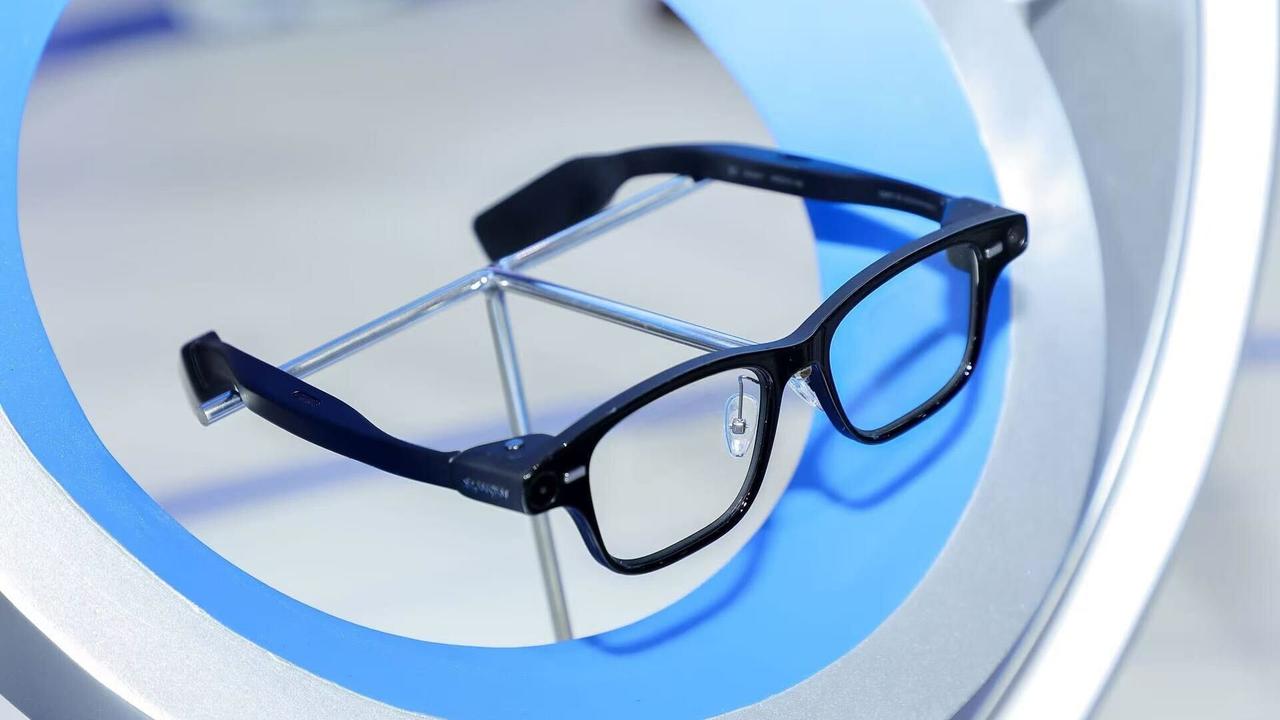
Alibaba unveiled its Qwen Glasses N1 series priced from $450, featuring a 50-megapixel camera, health monitoring, and voice services powered by Qwen AI. The launch positions Alibaba to compete directly with Meta's smart glasses as both companies push AI-powered wearables as gateways to their personal agent ecosystems.
Alibaba Enters AI Wearables Race with Qwen Glasses N1 Series
Alibaba Group Holding Ltd.
1
is pushing its artificial intelligence ambitions into consumer hardware with the launch of Qwen AI smart glasses and earbuds. The Chinese tech giant unveiled the Qwen Glasses N1 series at an event in Hangzhou on Tuesday, pricing the base model at 2,999 yuan, approximately $450 before discounts2
. The premium N1 Pro version carries a price tag of 3,499 yuan. Developed in collaboration with Bose, the lineup also includes Qwen Clip earbuds designed to integrate AI into daily life through wearable technology1
.Feature-Rich Hardware Targets Multiple Use Cases
The Qwen Glasses N1 series packs a 50-megapixel camera and supports continuous environmental awareness, translation, meeting summaries, and voice services
1
. Users interact with the Qwen AI personal agent through bone-conduction microphones, enabling hands-free operation. The N1 Pro model adds real-time health monitoring capabilities, tracking heart rate, blood oxygen levels, and skin temperature. It also features eye tracking and iris identity verification for enhanced security1
. Both models support shopping, payments, and health tracking, offering up to 25 hours of standby time or nine hours of music playback per charge2
. The Qwen Clip earbuds complement the glasses with multilingual translation, live AI dictation, and task assignment capabilities1
.Competing with Meta's Smart Glasses on Quality, Not Price
Alibaba's pricing strategy positions it in direct competition with Meta Platforms Inc., which Bloomberg recently described as the industry leader in AI-powered smart glasses
1
. The $450 starting price matches Meta's Ray-Ban smart glasses, signaling that Alibaba is competing on features and quality rather than undercutting on cost2
. Meta recently expanded its lineup with a $349 camera-free model built primarily around its Muse AI assistant1
. Both companies view smart glasses as an entry point for their AI assistants and broader ecosystems. The launch comes roughly a year after Alibaba's first-generation smart glasses debuted in November, with the new models offering closer integration to the Qwen AI assistant and expanded functionality2
.Related Stories


Personal Agent Vision Drives Product Strategy
Qwen Vice President Song Gang articulated the company's broader vision, stating, "The goal of Qwen is to become everyone's Personal Agent. We believe that AI wearables are an extension of Qwen in the physical world and an important part of Personal Agents"
1
. Alibaba wants its devices to move AI beyond simply responding to commands and toward helping users complete tasks more proactively. An industry insider told Yicai that Alibaba is shifting competition away from standalone hardware specifications toward what AI agents can understand and execute1
. By linking the glasses with Qwen models and Alibaba's broader ecosystem, the company aims to create AI that understands users' surroundings and accesses relevant services seamlessly.Full-Stack AI Strategy Connects Infrastructure to Consumer Products
Alibaba CEO Eddie Wu has repeatedly emphasized the company's ambition to build across the full AI stack, spanning models, chatbot applications, AI chips, data centers, and consumer hardware
1
. Alibaba describes itself as China's full-stack AI provider, covering everything from data centers and software to end-user products2
. The wearables represent another layer of Alibaba's full-stack AI strategy to connect AI infrastructure with end-user products and services. This approach positions the company to control the entire experience from cloud computing to the physical devices users wear. Investors responded positively to the announcement, with BABA stock performance showing a nearly 2% rise in pre-market trading on Wednesday2
. The market reaction suggests confidence in Alibaba's ability to execute on its vision of making AI wearables a meaningful gateway to its services ecosystem.References
Summarized by

Navi
[1]
Related Stories
Recent Highlights
1
OpenAI Drops 722 AI-Generated Math Proofs on Unsolved Problems, Sparking Existential Crisis
Science and Research

2
Meta Unveils Muse Wonder Frontier AI Models, Claims Performance Matching OpenAI and Anthropic
Technology

3
Microsoft and Nvidia Launch Surface Laptop Ultra: A $2,599 AI-Ready PC With RTX Spark Chip
Technology

Recent Highlights
Today's Top Stories









Don’t drown in AI news. We cut through the noise - filtering, ranking and summarizing the most important AI news, breakthroughs and research daily. Follow topics that matter to you and stay ahead.


