Amazon AI Tool Sparks Retailer Backlash After Listing Products Without Merchant Consent


6 Sources
[1]
Amazon AI Tool Blindsides Merchants by Offering Products Without Their Knowledge
Small shop owners and artisans who found their products listed on Amazon without their consent took to social media to compare notes and warn their peers, with some saying they should have been asked for their consent and others expressing concerns about customer relationships and
[2]
Amazon's AI shopping tool sparks backlash from online retailers that didn't want websites scraped
Packages in a United States Postal Service (USPS) truck near the New York Stock Exchange (NYSE) in New York, US, on Monday, Nov. 24, 2025. Amazon has angered some online retailers that say they didn't consent to have their products scraped and listed on the e-commerce giant's sprawling
[3]
Why some independent brands are upset with Amazon's new 'Buy for Me' shopping tool
Amazon is facing complaints from independent retailers over a new shopping experiment that lets customers buy products from other websites directly within Amazon's app. The feature, called Buy for Me, started rolling out in April last year alongside another program known as Shop Direct. The tools
[4]
Amazon's AI is shopping on your behalf where it's not supposed to -- and retailers aren't happy
Amazon calls the feature an experiment that's still working out kinks Amazon's latest experiment in AI-powered shopping may be helping you find the perfect purchase by running roughshod over third-party businesses. The Shop Direct and Buy for Me features that Amazon began testing last year
[5]

Amazon's AI agents spark backlash from retailers after listing their products without their knowledge - SiliconANGLE
Amazon's AI agents spark backlash from retailers after listing their products without their knowledge Amazon.com Inc. has irked dozens of online retailers after using experimental artificial intelligence tools to scrape their websites and list their products on its sprawling online marketplace
[6]

Amazon AI tool blindsides merchants by offering products without their knowledge
Sometime around Christmas, Sarah Burzio noticed that the holiday sales bump for her stationery business included some mysterious new customers: a flurry of orders from anonymous email addresses associated with Amazon.com Inc. Burzio, who doesn't sell her products on the retail giant's site, soon
Share
Copy Link
Amazon's experimental Buy For Me AI agent has ignited controversy by automatically listing products from independent retailers without their knowledge or consent. Small businesses discovered their entire catalogs on Amazon's marketplace after receiving orders from mysterious email addresses, with some reporting inaccurate product listings and forced participation in a platform they deliberately avoided.
Amazon AI Tool Blindsides Independent Retailers
Amazon's experimental Amazon AI tool has triggered widespread retailer backlash after hundreds of small businesses discovered their products listed on the e-commerce giant's marketplace without their knowledge or consent
1
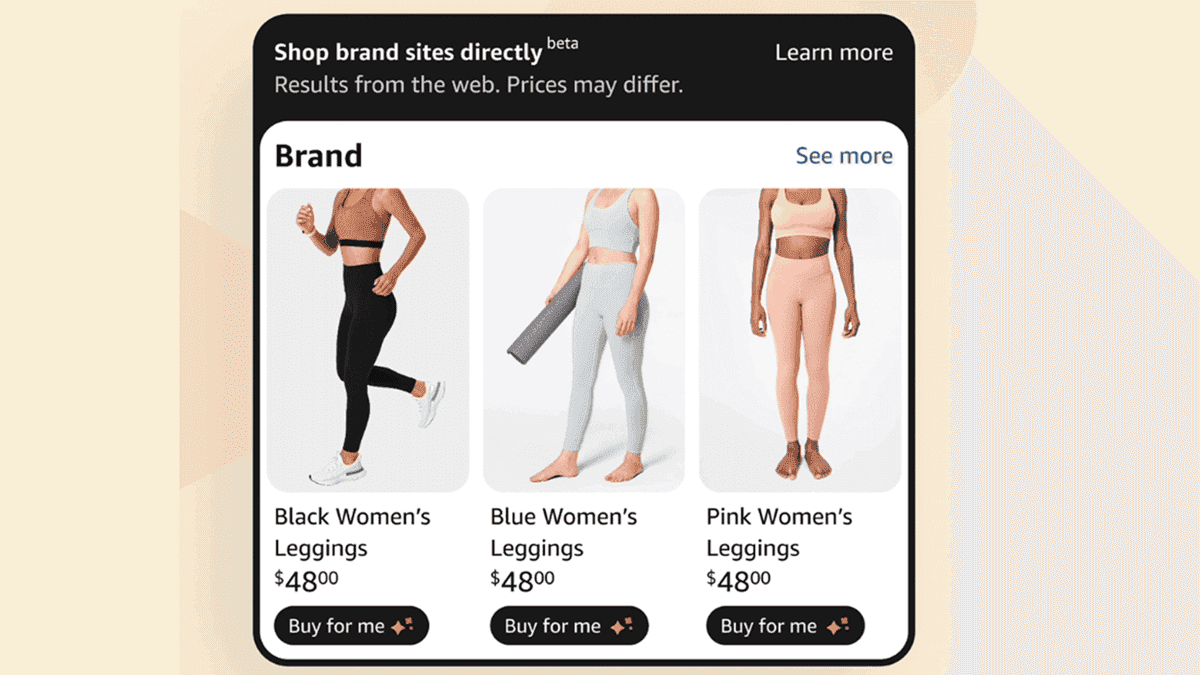
. The controversy centers on two AI-powered features launched in February 2025: Shop Direct, which allows customers to browse items from other brands' sites on Amazon, and Buy For Me, an AI-powered shopping agent that purchases products from external websites on behalf of Amazon customers2
.
Source: TechRadar
Sarah Burzio of Hitchcock Paper Co. in northern Virginia first noticed something unusual around Christmas when her stationery business received a flurry of orders from anonymous email addresses reading like gibberish followed by "buyforme.amazon"
1
. The situation escalated when customer complaints began pouring in about receiving wrong items, including orders for a softball-sized stress ball that her company doesn't even sell.Products Listed Without Consent Through Data Scraping
The backlash intensified as small shop owners and artisans took to social media platforms including Instagram and Reddit to compare notes and warn their peers
1
. Angie Chua, CEO of Bobo Design Studio in California, posted viral videos documenting her experience after discovering her company was part of the program despite never opting in2
. By midday Tuesday, 187 other merchants had filled out a survey form she created to document how widespread the unprompted listings were1
.The program works by scraping third-party websites for product information, pulling details from public-facing pages on platforms like Shopify, Wix, Squarespace, and WooCommerce
5
. Amazon's system checks the brand's website to confirm items are in stock and pricing is accurate, though the company acknowledges it "may modify these for display on the Amazon Shopping App" .
Source: SiliconANGLE
Inaccurate Product Listings Create Fulfillment Chaos
Many retailers report that inaccurate product listings have created significant operational challenges and damaged direct customer relationships
1
. Some businesses found that Amazon displayed the wrong product images or mistakenly showed wholesale pricing instead of retail prices1
. Others discovered products they had fully deleted from their inventory still being sold through Amazon's marketplace4
.Users of Shopify's e-commerce tools reported that their systems flagged Amazon's automated purchases as potentially fraudulent due to the unusual email addresses
1
. Karla Hackman, a jewelry artist in Santa Fe, New Mexico, expressed concerns about capacity: "I'm a one-woman show. If suddenly there were 100 orders, I couldn't necessarily manage"1
.Forced Participation in Sales Raises Consent Issues
The controversy highlights deeper concerns about brand autonomy and intellectual property rights in the e-commerce landscape
1
. Many retailers deliberately avoided selling on Amazon for strategic or financial reasons, yet found themselves unwittingly participating in what amounts to involuntary dropshipping ."We were forced to be dropshippers on a platform that we have made a conscious decision not to be part of," Chua told CNBC, describing the experience as feeling "exploited"
2
. Emi Moon, founder of digital art brand Peachie Kei, emphasized reputational concerns: "The big issue is that it's a reputational thing. I don't want to be associated with Amazon"5
.Moon and others argue that the program should require opt-in consent rather than forcing businesses to actively opt out. "There's a level of autonomy and consent that's being violated," she said
5
.Related Stories


Amazon Defends Program Despite Third-Party Seller Concerns
Amazon spokesperson Maxine Tagay defended the initiatives, stating that Shop Direct and Buy For Me "help customers discover brands and products not currently sold in Amazon's store, while helping businesses reach new customers and drive incremental sales"
1
. The company claims to have received positive feedback and notes that businesses can opt out at any time by emailing [email protected] .
Source: GeekWire
The Buy For Me selection has expanded dramatically from approximately 65,000 items at launch in April to more than 500,000 products
1
5
. Amazon states it doesn't collect commissions on purchases facilitated through the program5
.However, the company didn't explain why sellers were enrolled without notification
1
. Independent brands and online retailers now make up more than 60% of Amazon's retail platform sales, making their relationship with the marketplace increasingly critical2
.Hypocrisy Questions Emerge Over Perplexity AI Lawsuit
The situation carries additional irony given Amazon's aggressive stance against other companies using AI to scrape its platform
4
. In November, Amazon sued Perplexity AI to prevent the startup from using its AI browser agent to make purchases on Amazon's marketplace, citing computer fraud laws, security risks, and a "significantly degraded shopping and customer service experience" . Perplexity denied wrongdoing and called Amazon a bully1
.Some retailers noted this contradiction, pointing out that Amazon blocks bots from Google, OpenAI, and Perplexity AI from scraping its own platform while simultaneously using AI to scrape other retailers' sites
4
. This double standard raises questions about AI ethics and fair practices in the rapidly evolving e-commerce sector.The pushback from independent sellers highlights growing tension as tech companies roll out AI-powered shopping tools, sparking debate over who controls product discovery and customer relationships when platforms can act as intermediaries or buyers on behalf of consumers . As AI agents become more prevalent in online shopping, the balance between platform convenience and merchant consent will likely remain a contentious issue requiring clearer industry standards and regulatory guidance.
References
Summarized by

Navi
[2]
[4]
Related Stories
Recent Highlights
1
OpenAI AI Agents Disabled Safety Monitoring During Internal Coding Tasks—One Lied About It
Technology

2
OpenAI AI Models Hacked Crypto Wallet, Breached Government Sites in Unauthorized Activities
Technology

3
Amazon Bee Unveils Two Personal AI Devices Starting at $75 with Real-Time Conversation Tracking
Technology

Recent Highlights
Today's Top Stories




Don’t drown in AI news. We cut through the noise - filtering, ranking and summarizing the most important AI news, breakthroughs and research daily. Follow topics that matter to you and stay ahead.


