AMD Quietly Expands AI GPU Portfolio with New Radeon Pro Models and China-Compliant Variants


3 Sources
[1]
AMD quietly debuts new Radeon Pro W7900D and lists two unannounced AI GPUs
Serving tech enthusiasts for over 25 years. TechSpot means tech analysis and advice you can trust. In brief: AMD has launched a new consumer workstation graphics card and quietly listed two others without any official announcement. The Radeon Pro W7900D is the newest model in the company's
[2]
AMD working on Radeon AI PRO R9700S and R9600D to join RDNA 4 consumer-grade AI GPUs
TL;DR: AMD is developing new Radeon AI PRO R9000 series GPUs, including the R9700S and R9600D, based on RDNA 4 architecture. The R9700S may target laptops with Navi 48 GPU and 32GB GDDR6, while details on the R9600D remain unclear. Official announcements are expected at CES 2026. AMD is reportedly
[3]
AMD Preps More Radeon AI PRO R9000 "RDNA 4" GPUs: R9700S & R9600D Spotted
AMD seems to be preparing more Radeon AI PRO R9000 "RDNA 4" GPUs, as new hints about the R9700S & R9600D have leaked out. AMD To Offer More Consumer-Grade Radeon AI PRO R9000 "RDNA 4" GPUs: R9700S & R9600D Leaked AMD's current Radeon AI PRO R9000 GPU lineup, based on the RDNA 4 architecture,
Share
Copy Link
AMD has quietly launched the Radeon Pro W7900D workstation GPU and listed two unannounced AI-focused graphics cards, the AI Pro R9700S and R9600D, signaling expansion into mobile AI computing and export-compliant markets.
AMD Quietly Launches New Workstation GPU
AMD has discreetly introduced the Radeon Pro W7900D, a new addition to its workstation graphics card lineup, alongside listings for two previously unannounced AI-focused GPUs
1
. The W7900D shares most specifications with the existing RDNA 3-based W7900, featuring the same Navi 31 GPU with 96 compute units, 6,144 stream processors, and 48 GB of GDDR6 memory on a 384-bit bus delivering 864 GB/s of bandwidth.
Source: TechSpot
The primary differences between the W7900D and its predecessor lie in performance metrics. While the original W7900 operates at a 2,500 MHz boost frequency with 61.4 TFLOPS of FP32 compute performance, the new W7900D is limited to 2,156 MHz and 54 TFLOPS respectively
1
. This deliberate performance reduction suggests the card is designed to comply with export restrictions.Export Compliance and China Market Strategy
The W7900D appears positioned for OEM workstations in China, where US companies face restrictions on selling top-tier AI hardware due to export controls implemented during the Trump administration
1
. Both AMD and Nvidia have responded to these limitations by creating slightly downgraded versions of their flagship AI chips specifically for the Chinese market, with the W7900D representing AMD's latest entry in this category.This strategy allows AMD to maintain market presence in China while adhering to US government regulations that restrict the export of advanced AI computing hardware. The performance limitations ensure compliance while still providing substantial computing capabilities for professional workstation applications.
New AI Pro GPU Models Surface
AMD has also quietly listed two additional graphics cards without official announcements: the Radeon AI Pro R9600D and AI Pro R9700S
2
. These models appeared in AMD's Linux driver support documentation, though the company has not released official specifications or availability information.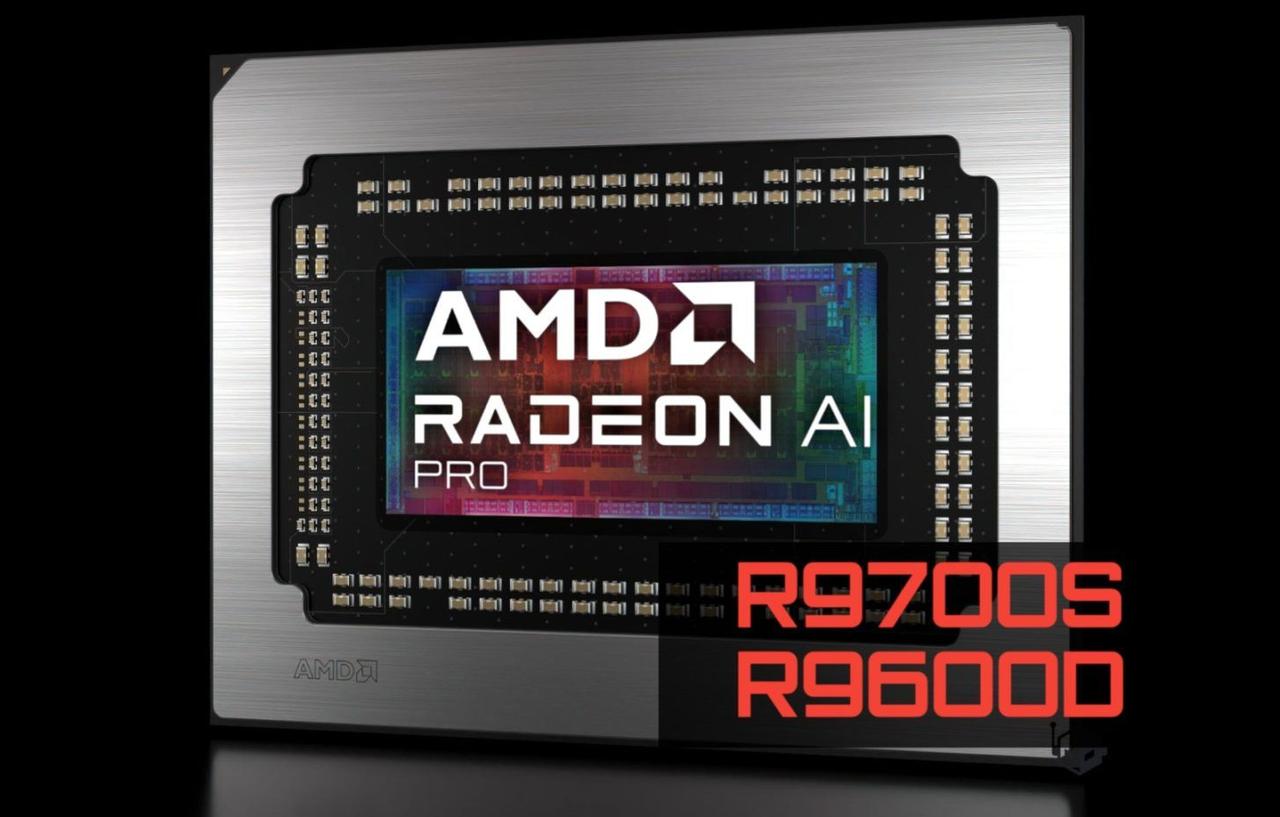
Source: Wccftech
The R9700S is believed to target the laptop market as AMD's first RDNA 4-based mobile AI GPU. Industry speculation suggests it will feature the same Navi 48 GPU core and 32 GB of VRAM as the desktop R9700 variant, potentially competing with Nvidia's RTX 5090 laptop GPU
3
. This would mark AMD's entry into the mobile AI computing segment, which has been dominated by Nvidia.Related Stories

Expanding RDNA 4 Portfolio
The R9600D represents a more mysterious addition to AMD's lineup. Unlike the "S" suffix typically used for mobile variants, the "D" designation is new for AMD, though Nvidia has used similar labeling for export-compliant Chinese market GPUs
2
. Online speculation suggests the R9600D could be based on RDNA 4 architecture using a tweaked Navi 44 GPU, though AMD has not confirmed these details.Currently, AMD's Radeon AI Pro R9000 lineup includes only the R9700, which launched at $1,299 with 32 GB of memory and AI-optimized features
3
. The addition of these new models would significantly expand AMD's consumer-grade AI GPU offerings and provide more options across different market segments and price points.Industry Implications and Future Announcements
These developments highlight AMD's strategic expansion in the AI computing market, addressing both regulatory compliance requirements and emerging market segments like mobile AI processing. The quiet nature of these launches suggests AMD may be testing market reception or preparing for larger announcements at upcoming industry events.
Industry observers expect AMD to provide official details about these new graphics cards at CES 2026, where the company is anticipated to make several AI-focused announcements
1
. This timing would align with AMD's typical product announcement schedule and provide a platform to showcase the company's expanded AI GPU portfolio to both consumers and enterprise customers.References
Summarized by

Navi
Related Stories
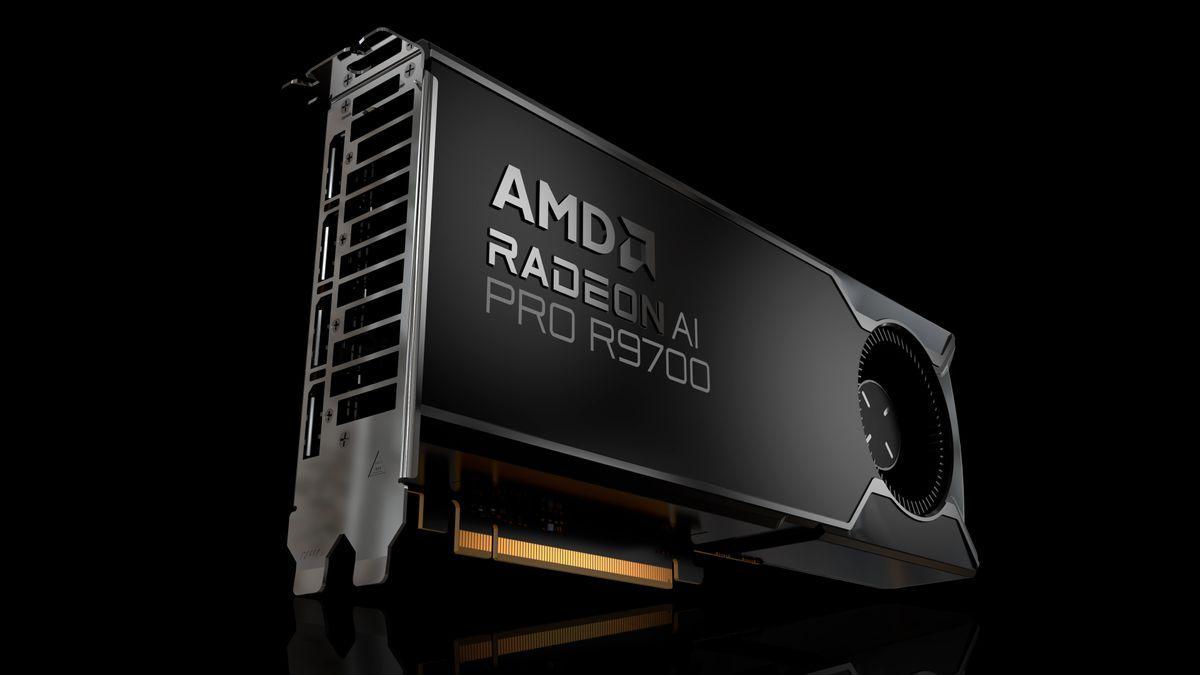
AMD Challenges NVIDIA with Radeon AI Pro R9700: A New Era in AI GPU Technology
21 May 2025•Technology
AMD Radeon AI PRO R9700: A Powerful New Contender in AI Workstation GPUs
16 Jul 2025•Technology

AMD's Radeon PRO W9000: A Strategic Approach to Workstation GPUs for AI and Professional Tasks
21 Apr 2025•Technology
Recent Highlights



Recent Highlights
Today's Top Stories






Don’t drown in AI news. We cut through the noise - filtering, ranking and summarizing the most important AI news, breakthroughs and research daily. Follow topics that matter to you and stay ahead.


