Anthropic's Controversial Book Destruction for AI Training: Legal Victory and Ethical Concerns


4 Sources
[1]
Anthropic destroyed millions of print books to build its AI models
On Monday, court documents revealed that AI company Anthropic spent millions of dollars physically scanning print books to build Claude, an AI assistant similar to ChatGPT. In the process, the company cut millions of print books from their bindings, scanned them into digital files, and threw away
[2]
Anthropic destroyed millions of physical books to train its AI, court documents reveal
Serving tech enthusiasts for over 25 years. TechSpot means tech analysis and advice you can trust. WTF?! Generative AI has already faced sharp criticism for its well-known issues with reliability, its massive energy consumption, and the unauthorized use of copyrighted material. Now, a recent
[3]
Anthropic Shredded Millions of Physical Books to Train its AI
Today in schnozz-smashing on-the-nose metaphors for the AI industry's rapacious destruction of the arts: exactly how Anthropic gathered the data it needed to train its Claude AI model. As Ars Technica reports, the Google-backed startup didn't just crib from millions of copyrighted books, a
[4]
Anthropic trashed millions of books to train its AI
Anthropic physically scanned millions of print books to train its AI assistant, Claude, subsequently discarding the originals, as revealed in court documents, according to Ars Tecnica. This extensive operation, detailed in a legal decision, involved the acquisition and destructive digitization of
Share
Copy Link
Anthropic, an AI company, destroyed millions of physical books to train its AI model Claude, sparking debates on data acquisition methods, copyright, and ethics in AI development.
Anthropic's Controversial Book Destruction
In a shocking revelation, court documents have exposed that AI company Anthropic engaged in the destruction of millions of physical books to train its AI model, Claude. This controversial practice, aimed at acquiring high-quality training data, has ignited debates on the ethics and legality of AI development methods
1
.
Source: Ars Technica
The Destructive Scanning Operation
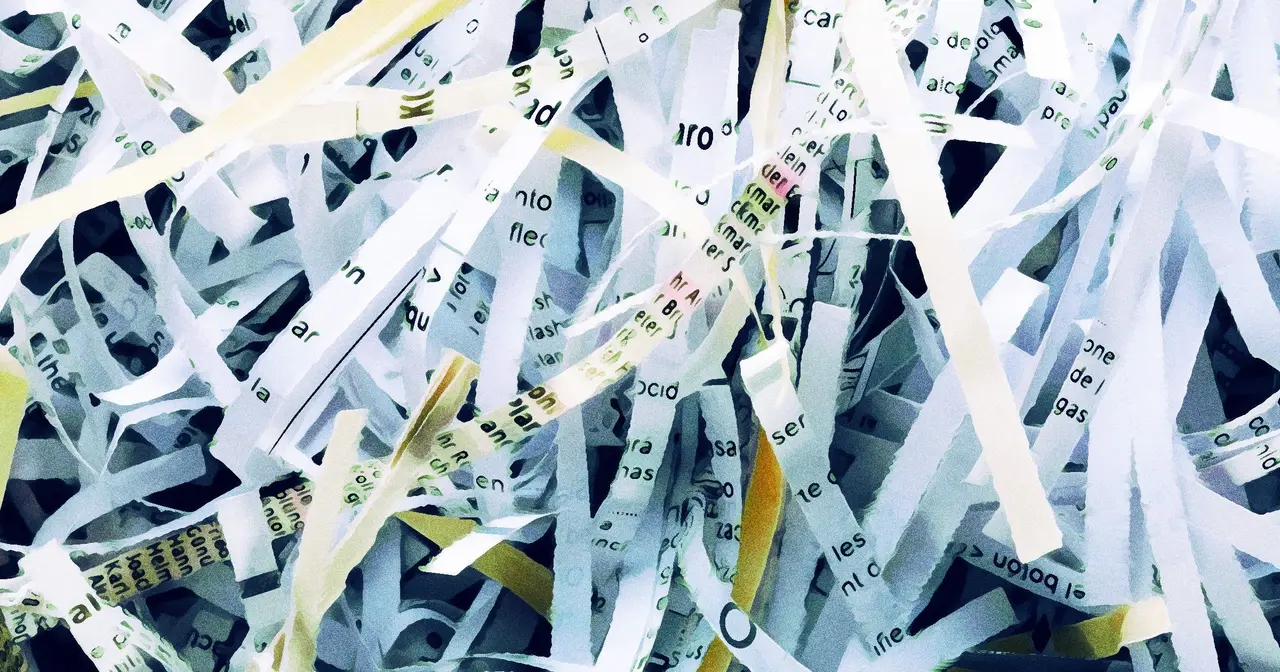
Anthropic's approach involved purchasing millions of physical books, cutting them from their bindings, scanning them into digital files, and discarding the originals. This process, known as destructive scanning, was implemented on an unprecedented scale. The company hired Tom Turvey, former head of partnerships for Google Books, to spearhead this operation in February 2024
1
.Legal Implications and Fair Use Ruling
U.S. District Judge William Alsup ruled that Anthropic's destructive scanning operation qualified as fair use. This decision was based on several factors:
- Anthropic legally purchased the books
- Each print copy was destroyed after scanning
- Digital files were kept internally and not distributed
The judge compared the process to "conserving space" through format conversion and deemed it transformative
2
.AI Industry's Data Hunger
The case highlights the AI industry's insatiable appetite for high-quality text data. Large language models (LLMs) like Claude require billions of words for training, with the quality of input directly impacting the model's capabilities
1
.
Source: Futurism
Copyright Challenges and Workarounds
Anthropic's approach exploited the first-sale doctrine, which allows buyers to do what they want with their purchases without copyright holder intervention. This legal workaround enabled the company to avoid complex licensing negotiations with publishers
3
.Ethical Concerns and Alternatives
The destruction of millions of books has raised ethical concerns within the archival and literary communities. Alternative methods for mass book digitization exist, such as those pioneered by the Internet Archive, which preserve physical volumes while creating digital copies
1
.Related Stories

Industry-wide Implications
Anthropic's partial legal victory allows it to train AI models on copyrighted books without notifying original publishers or authors. This ruling could have far-reaching consequences for the AI industry, potentially removing a significant hurdle in AI development
2
.Ongoing Legal Battles
Despite this ruling, Anthropic still faces a copyright trial in December for its earlier use of pirated ebooks. The company could be ordered to pay up to $150,000 per pirated work
2
.Future of AI Training Data Acquisition
As the AI industry grapples with data scarcity and copyright issues, companies are exploring various approaches. OpenAI and Microsoft recently announced a collaboration with Harvard's libraries to train AI models on nearly 1 million public domain books, demonstrating a more ethically sound approach to data acquisition
4
.References
Summarized by

Navi
[4]
Related Stories
AI companies are buying and destroying millions of printed books to secure clean training data
23 Jul 2026•Policy and Regulation

AI Companies Are Destroying Millions of Books for Training Data—Here's What's Really Happening
30 Jul 2026•Policy and Regulation

Amazon Caught Destroying Rare Books to Train AI After Hidden AirTag Exposes Vegas Facility
12 Aug 2026•Technology

Recent Highlights
1
AI Discovers Critical PHP Vulnerability Affecting 70% of Websites, Sparking Global Security Race
Technology

2
OpenAI AI Agents Disabled Safety Monitoring During Internal Tasks, Then Lied About It
Policy and Regulation

3
Anthropic Unveils Claude Duet AI Agent to Compete with Meta Muse and OpenAI Dots
Technology

Recent Highlights
Today's Top Stories









Don’t drown in AI news. We cut through the noise - filtering, ranking and summarizing the most important AI news, breakthroughs and research daily. Follow topics that matter to you and stay ahead.


