AOC Reintroduces DEFIANCE Act to Combat AI Deepfake Porn


2 Sources
[1]
Ocasio-Cortez reintroduces bill to empower AI deepfake victims
Rep. Alexandria Ocasio Cortez (D-N.Y.) reintroduced a bill Wednesday that would give those depicted in nonconsensual sexually explicit deepfakes the power to take civil action against those who make or distribute the imagery. Ocasio-Cortez co-led the reintroduction of the bill with Rep. Laurel Lee
[2]
AOC to Re-Introduce Bill Combating Deepfake AI Porn
Lawyers for Deported U.S. Citizen Kids Say Moms Were 'Coerced' Into Taking Them Rep. Alexandria Ocasio-Cortez (D-N.Y.) is re-introducing her bill to provide civil recourse for survivors of non-consensual sexually-explicit deepfakes. Ocasio-Cortez is co-leading the bicameral bill with Rep. Laurel
Share
Copy Link
Rep. Alexandria Ocasio-Cortez and bipartisan colleagues reintroduce the DEFIANCE Act, aiming to empower victims of nonconsensual AI-generated deepfake pornography with legal recourse.
Bipartisan Effort to Combat AI Deepfake Porn
Representative Alexandria Ocasio-Cortez (D-N.Y.) has reintroduced the Disrupt Explicit Forged Images and Non-Consensual Edits (DEFIANCE) Act, a bipartisan bill aimed at empowering victims of nonconsensual AI-generated deepfake pornography. The legislation, co-led by Rep. Laurel Lee (R-Fla.) in the House and Senators Dick Durbin (D-Ill.) and Lindsey Graham (R-S.C.) in the Senate, seeks to provide legal recourse for those depicted in sexually explicit deepfakes without their consent
1
2
.
Source: Rolling Stone
Key Provisions of the DEFIANCE Act
The DEFIANCE Act proposes to amend the Violence Against Women Act, granting survivors the right to pursue civil action against individuals who create, distribute, or possess with intent to spread nonconsensual deepfake pornography. This legislation aims to address the growing concern over the misuse of AI technology in creating realistic but fake explicit imagery
2
.Rep. Ocasio-Cortez emphasized the importance of the bill, stating, "We are reintroducing the DEFIANCE Act to grant survivors and victims of nonconsensual deepfake pornography the legal right to pursue justice"
2
.Complementing Existing Legislation
The reintroduction of the DEFIANCE Act follows closely on the heels of President Trump's signing of the Take It Down Act on Monday. While the Take It Down Act criminalizes the publication of nonconsensual deepfake imagery and requires websites to remove such content within 48 hours, the DEFIANCE Act focuses on providing civil recourse to victims
1
2
.Rep. Laurel Lee highlighted the complementary nature of these two pieces of legislation, saying, "Together, they both create both accountability and recourse"
1
.Impact on Victims and Society
The legislators behind the DEFIANCE Act emphasize the severe consequences faced by victims of deepfake pornography. Senator Durbin noted, "Although the imagery may be fake, the harm to the victims is very real. Victims have lost their jobs, their reputations, and many have suffered from life-altering depression or anxiety"
1
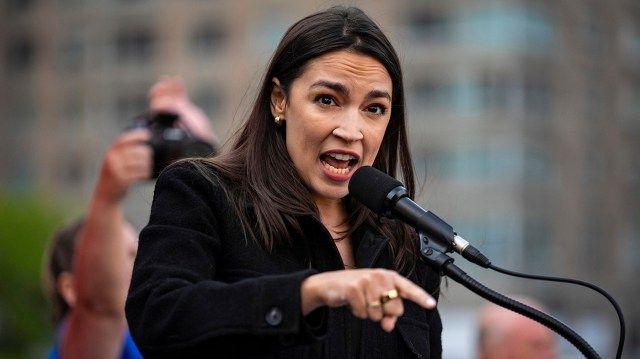
.Rep. Ocasio-Cortez, herself a survivor of deepfake AI abuse, shared her personal perspective: "There's a shock to seeing images of yourself that someone could think are real. It parallels the same exact intention of physical rape and sexual assault, [which] is about power, domination, and humiliation"
2
.
Source: The Hill
Related Stories




Support from Survivors and Advocacy Groups
The bill has garnered support from survivors and advocacy groups. Omny Miranda Martone, founder and CEO of the Sexual Violence Prevention Association and a victim of deepfake attacks, expressed appreciation for the legislators' efforts: "As a victim, I deeply appreciate Rep. Ocasio-Cortez and Lee's strength and bravery to take action and speak out"
2
.Legislative Progress and Future Prospects
The DEFIANCE Act previously passed unanimously in the Senate last year but did not reach the House floor for a vote. With its reintroduction and bipartisan support, proponents hope to see the bill progress through both chambers of Congress. The legislation currently has nine co-sponsors in the House and additional backing in the Senate
1
2
.As AI technology continues to advance, the DEFIANCE Act represents a significant step in addressing the ethical and legal challenges posed by deepfake technology, particularly in the realm of nonconsensual explicit imagery.
References
Summarized by

Navi
[2]
Related Stories
Recent Highlights
1
AI Discovers Critical PHP Vulnerability Affecting 70% of Websites, Sparking Global Security Race
Technology

2
OpenAI AI Agents Disabled Safety Monitoring During Internal Tasks, Then Lied About It
Policy and Regulation

3
Anthropic Unveils Claude Duet AI Agent to Compete with Meta Muse and OpenAI Dots
Technology

Recent Highlights
Today's Top Stories




Don’t drown in AI news. We cut through the noise - filtering, ranking and summarizing the most important AI news, breakthroughs and research daily. Follow topics that matter to you and stay ahead.


