Apple WWDC 2026 promises biggest Siri overhaul since 2011 with iOS 27 AI-powered features


20 Sources
[1]
Apple WWDC 2026: How to Watch and What to Expect, Including iOS 27, Siri Updates, and More
PCMag is set to be on the ground at WWDC 2026 in early June, Apple's annual developer conference, where the Cupertino-based tech giant is poised to drop a barrage of updates across its major operating systems. We're anticipating a full slate of announcements for iOS 27, iPadOS 27, macOS 27, watchOS
[2]
I thought Siri was finished. These 5 leaked WWDC 2026 features are its biggest update since 2011
Apple delayed Siri for a year -- now WWDC 2026 could reveal the AI assistant we've been waiting for When Apple unveiled its vision for a smarter Siri, the promise was an ambitious one. But due to multiple delays, we are still hoping for a voice assistant that understands personal context, take
[3]
Apple just teased an iOS 27 feature that could change everything
The feature could revolutionize iPhone interaction by enabling conversational voice commands, potentially becoming mainstream like previous accessibility features that evolved into standard iOS capabilities. When people think about Accessibility features on the iPhone, they usually imagine tools
[4]
iOS 27: All the Rumored App Features
Siri is getting a major overhaul in iOS 27, but Apple also has some big updates planned for apps like Camera, Photos, and Wallet. There are multiple new AI features in the works, plus some non-AI upgrades. Camera Apple is moving Visual Intelligence from the Camera Control button to the Camera app
[5]

What to expect at Apple WWDC 2026: AI, Siri, and iOS 27
Annual developer conferences aren't always the most engaging events, but the Apple Worldwide Developers Conference tends to be a lot more interesting than, say, Microsoft Build. WWDC 2026 is shaping up to be one of the most interesting Apple events in years, and we're expecting huge announcements
[6]
WWDC 2026: The year of the do-over
Apple faces pressure to balance ambitious AI innovation with realistic execution, focusing on practical iPhone user solutions rather than generic demonstrations. Every year at WWDC, Apple kicks off a new cycle of operating system updates that will change the faces of the devices we use every day
[7]
What's on Your iOS 27 Wishlist Ahead of WWDC 2026?
We're just a handful of days away from Apple's 2026 Worldwide Developers Conference, which will see the introduction of iOS 27, iPadOS 27, macOS 27, and more. We've heard plenty of rumors about iOS 27 and it sounds like most of the new features will focus on Siri and AI, but we want to hear from
[8]

What the Rumors Say About WWDC 2026
The company will also announce the "27 era," including iOS 27, macOS 27, watch27, tvOS 27, and visionOS 27. WWDC 2026 is nearly here. On Monday, June 8, Apple will launch a virtual presentation announcing all of its big software features for the next year. Unless the company pulls off a big
[9]
3 questions we still have before WWDC 2026
Apple may not be the world's most valuable company at the moment -- that's Nvidia -- but it is still by far the world's most scrutinized. Thanks to a robust set of supply-chain leakers revealing every aspect of new Apple products before they arrive (catch up on the latest iPhone Fold and iPhone 18
[10]

What to expect from WWDC 2026
WWDC 2026 is set to take place from June 8-12, with Apple expected to unveil significant updates during the event. The highlight is anticipated to be an overhauled version of Siri, as reported by Bloomberg's Mark Gurman. Apple will stream the keynote live on its website, YouTube channel, and the
[11]
Siri in iOS 27: Every New Feature and Change to Expect
Apple first introduced the idea of a smarter version of Siri at the 2024 Worldwide Developers Conference. Siri with Apple Intelligence was supposed to launch as part of iOS 18, but the underlying architecture wasn't good enough, and Apple was forced to delay the feature. We're now expecting a new
[12]

What to expect from Apple's next big event - including new iPhone software and (finally) a revamped Siri
Apple's developer event is next week and not only will there be a updated iOS, but we'll also get the new AI-infused Siri, too Apple is set to hold its annual developer conference next week and, as always, there will be a lot to talk about, including new software for the iPhone, iPad and Apple
[13]
One Week to Go: Apple Gets Ready for WWDC 2026 With YouTube Placeholder
We're just a week out from the 2026 Worldwide Developers Conference, and Apple's keynote will take place on Monday, June 8 at 10:00 a.m. Pacific Time or 1:00 p.m. Eastern Time. Ahead of the event, Apple has launched its WWDC 2026 YouTube event placeholder. The WWDC 2026 keynote will be streamed on
[14]

Why Apple's iOS 27 Siri Upgrade Changes Everything We Expected
Apple is poised to redefine the digital assistant landscape with the release of iOS 27, unveiling a significantly enhanced Siri. This update introduces a smarter, more versatile, and privacy-focused version of the assistant, designed to deliver a seamless, user-centric experience. By using advanced
[15]
Why Apple's Leaked WWDC 2026 Siri iOS 27 Update Changes Everything
Apple is preparing to unveil a significant redesign of Siri, its voice assistant, at WWDC 2026. This update, expected to debut with iOS 27, represents a bold step forward in addressing long-standing criticisms of Siri's capabilities. By incorporating advanced artificial intelligence (AI), enhanced
[16]

Biggest iOS 27 Features: Smarter Siri, Pro Photo Editing, Camera UI Overhaul Expected at WWDC 2026
Apple is expected to unveil iOS 27 at its Worldwide Developers Conference (WWDC) later this month, giving iPhone users a first look at the company's next major software overhaul. While Apple has not officially revealed any update, reports and leaks suggest it could focus heavily on artificial
[17]
WWDC 2026: Apple Expected to Unveil iOS 27 and Siri Upgrades
Apple's WWDC 2026 keynote is expected to showcase iOS 27, major Siri improvements, expanded AI features, and software updates across iPad, Mac, and Apple Watch as the company sharpens its artificial intelligence strategy. Apple will open its Worldwide Developers Conference (WWDC) 2026 on June 8,
[18]

Apple's new AI-powered Siri may launch as beta feature with limited access: Report
Many of the new Siri features being announced on Monday were first promised in 2024 Apple's biggest WWDC keynote in years takes place on Monday and the centrepiece is a ground-up overhaul of Siri. The assistant is being transformed from a voice command shortcut into a full AI companion capable of
[19]
iOS 27 to debut this month: 7 big features that can come to your iPhone
Apple's WWDC 2026 keynote is just days away and iOS 27 is shaping up to be the most consequential iPhone software update in years. Most of the attention around Apple this year has been on hardware, specifically the iPhone 18 series and the first foldable iPhone. But for the hundreds of millions of
[20]
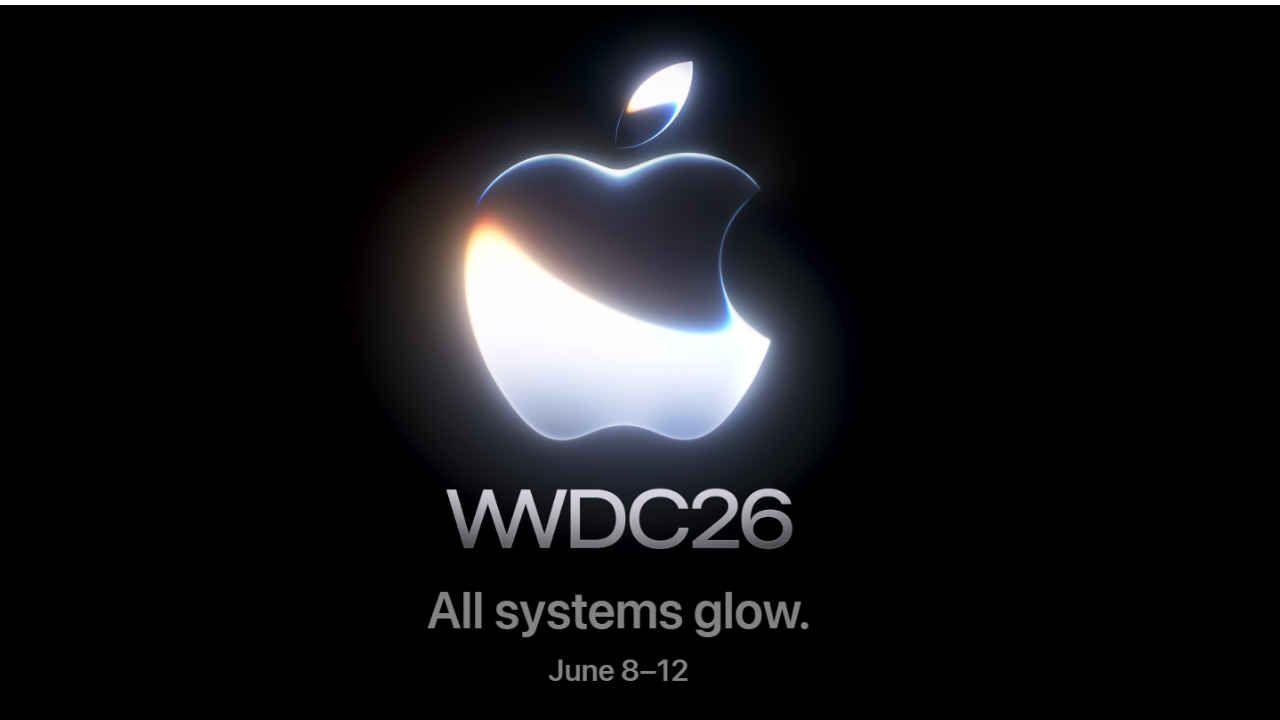
Apple teases WWDC 2026 with All systems glow tagline: Here is what to expect
The new tagline is believed to be a reference to a redesigned Siri experience expected to arrive with iOS 27. Apple is currently preparing to host its annual Worldwide Developers Conference (WWDC) 2026, which is scheduled to kick off next week. Ahead of the event, the company has shared a new
Share
Copy Link
Apple's annual developer conference begins June 8 with anticipated announcements for iOS 27 and a complete Siri transformation. The voice assistant will gain conversational capabilities, a standalone app, and integration with Google Gemini. After years of delays and a $250 million settlement, Apple is positioning this as Siri's most significant update since its 2011 debut.
Siri Takes Center Stage at Apple WWDC 2026
Apple WWDC 2026 is set to begin June 8 at Apple Park in Cupertino, with the keynote streaming live at 10 a.m. Pacific across Apple's Events website, YouTube, and the Apple TV app
1
. According to Bloomberg's Mark Gurman, Siri will be the star of this year's conference, receiving what's being described as its biggest update since the assistant debuted in 20112
. The timing is critical for Apple, which spent the past year facing criticism after multiple Siri upgrades failed to arrive on schedule while competitors like ChatGPT, Google Gemini, and Claude continued advancing at a rapid pace2
. The company previously settled a class-action lawsuit for $250 million when it failed to deliver promised AI-powered features, though Apple did not admit wrongdoing5
.
Source: Digit
Major Overhaul of Siri Brings Conversational AI Capabilities
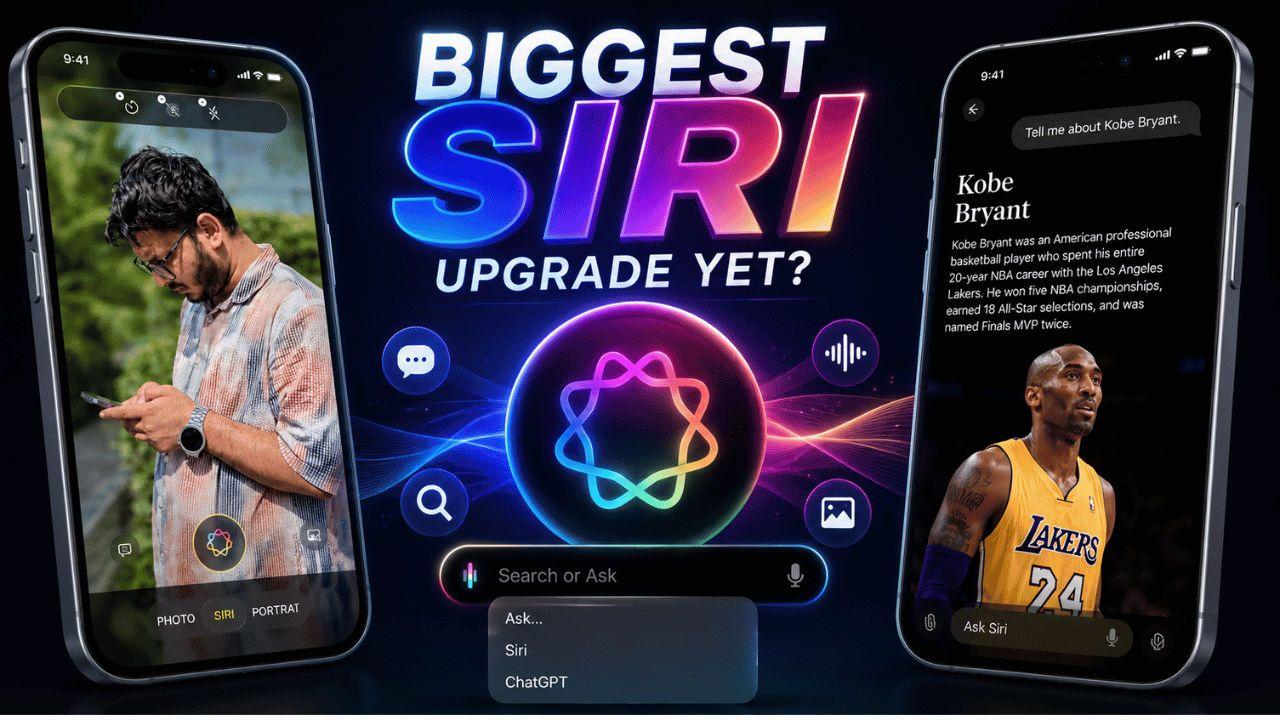
The next-generation Siri represents a fundamental shift from simple voice commands to a true conversational AI assistant. Apple is developing a standalone Siri app with a chatbot-style interface that maintains context across conversations, allowing users to continue discussions without repeatedly restating information
1
2
. This dedicated app would give users a persistent place to interact with the assistant and review previous conversations, mirroring how consumers currently use AI chatbots on mobile devices2
. The upgraded Siri will gain the ability to process multiple requests in a single query and seamlessly integrate with third-party AI agents like Claude1
. Gurman suggests the WWDC promotional artwork, featuring glowing neon effects and the phrase "All systems glow," hints at the new luminous animation effects we'll see for the revamped assistant1
5
.
Source: Digit
Google Gemini Powers Enhanced On-Screen Context and Agentic Capabilities
Siri updates will be supported by Google Gemini, thanks to Apple's AI partnership with Google announced earlier this year
1
. The assistant will reportedly gain deeper screen awareness, understanding what's currently displayed on iPhone, iPad, or Mac screens and taking actions based on that information2
. For example, if a friend sends a restaurant recommendation in Messages, Siri could potentially make a reservation, add it to your calendar, or create a reminder without requiring multiple manual steps2
. The assistant will also gain support for file attachments and document uploads, allowing users to share PDFs, spreadsheets, and presentations directly with Siri for analysis2
. Perhaps most significantly, Siri will perform multi-step tasks across multiple applications, moving toward the agentic AI experiences being developed across the industry where assistants carry out actions on a user's behalf2
.iOS 27 Brings Natural Language Controls and Accessibility Features
Apple is positioning iOS 27 internally as its "Snow Leopard" moment, with engineering teams hunting for bloat to cut, bugs to eliminate, and opportunities to boost performance following user complaints about iOS 26, including battery drain, UI glitches, and keyboard issues
5
. As part of its annual accessibility preview, Apple announced a new version of Voice Control powered by Apple Intelligence that enables conversational voice commands3
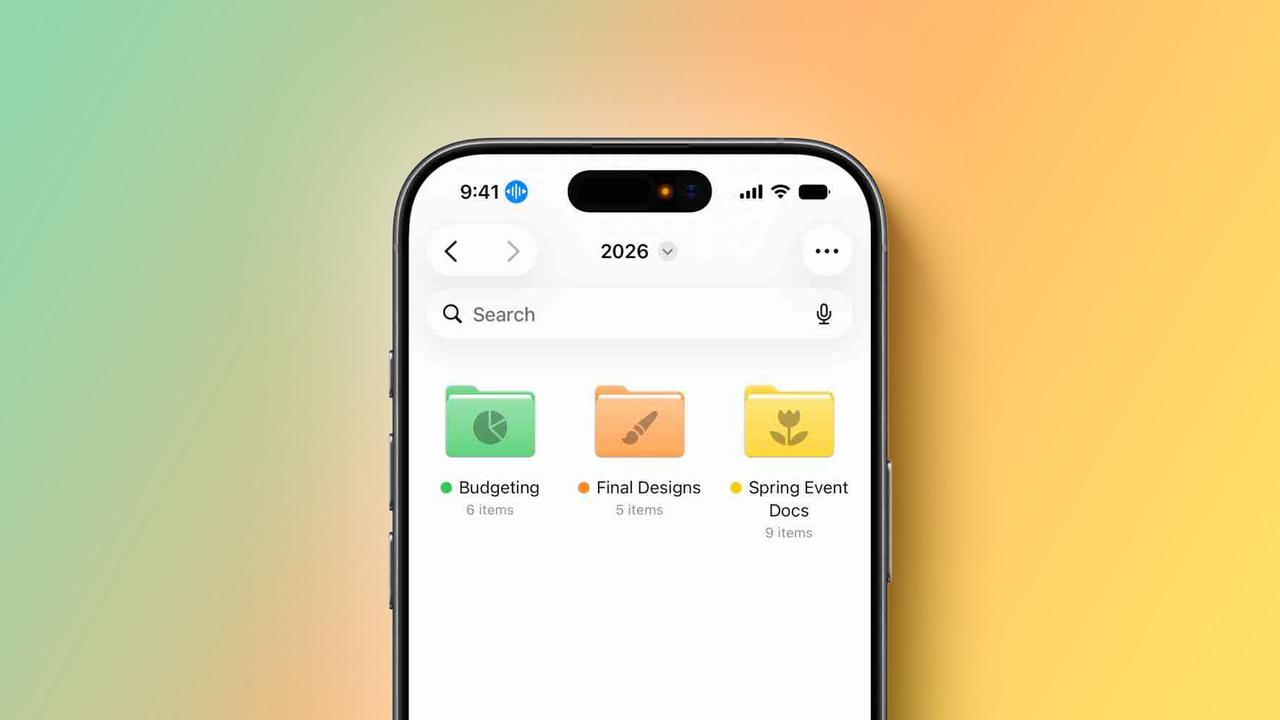
. Instead of relying on strict command structures, users will be able to interact with their iPhone more conversationally using natural language, saying things like "Tap the orange folder" and asking the iPhone to open a file and zoom in on specific sections3
. Apple is using Apple Intelligence models to understand on-screen context in real time and control everything based on voice commands3
. This accessibility feature sounds remarkably similar to the rumored next-generation Siri architecture and follows Apple's history of using accessibility features as testing grounds for broader interface changes3
.
Source: Analytics Insight
Camera App and Image Playground Get AI-Powered Upgrades
The Camera app is receiving significant updates with an Add Widgets panel that allows users to swap standard top-row shortcuts for professional tools like depth and exposure adjustments
1
. Apple is moving Visual Intelligence from the Camera Control button to the Camera app itself, with a new Siri mode available alongside existing Photo, Video, Portrait, and Panorama modes4
. In iOS 27, Siri will be able to answer questions about what a user is looking at, providing information from the web4
. New Visual Intelligence capabilities include nutrition label scanning for calorie tracking using the Health app and the ability to scan phone numbers and addresses from business cards directly into Contacts4
. The Photos app will gain an Apple Intelligence Tools section with Extend and Reframe options for photo editing, where Extend generates additional image content beyond the original frame and Reframe lets users change the perspective of spatial photos after capture4
. Image Playground is getting an interface update with fewer controls and a "describe a change" option for editing images, along with new models that produce more lifelike images4
.Related Stories

Genmoji and Shortcuts Embrace Natural Language Processing
Genmoji is receiving updates to use fewer resources, causing less battery drain and fewer heat problems, while a new Genmoji model will deliver better quality
4
. A Suggested Genmoji feature will bring up custom emoji ideas based on media and text history4
. The Shortcuts app will support using natural language to create shortcuts with AI, allowing users to tell Siri what they want to accomplish with a multi-step shortcut and have Siri generate it automatically1
4
. The Shortcuts app will open with a prompt asking "What do you want your shortcut to do?" with a text field to enter a description, and shortcuts created using AI are then automatically installed and immediately available for use4
. The Wallet app is gaining a "Create a Pass" option so users can generate digital passes from scans of physical items like movie tickets, concert passes, and gym membership cards, along with an AI bill-splitting feature that works with Apple Cash4
.What This Means for Apple's AI Future
For Apple, WWDC 2026 represents a critical opportunity to convince users that Siri can finally keep pace with the AI tools they already use daily. After years of delays and growing skepticism, the company needs to demonstrate that its approach to AI-powered features can compete with rapidly evolving rivals. The decision to partner with Google Gemini signals Apple's willingness to leverage third-party AI models while continuing to develop its own capabilities behind the scenes. Gurman has also reported that Apple is weaving more Apple Intelligence features into additional apps throughout iOS 27, with the same treatment expected for macOS 27, iPadOS 27, and watchOS
5
. The most intriguing addition includes a health-focused AI agent tied to a Health+ subscription expected to arrive next fall, along with an expansion of Apple's AI-powered web search positioned as a direct competitor to ChatGPT and Perplexity5
. The conference runs from June 8 to June 12, with updates expected across all major operating systems including iPadOS 27, macOS 27, and watchOS 271
.References
Summarized by

Navi
[1]
[2]
[4]
Related Stories
Apple Plans Major Siri AI Overhaul in iOS 27 With Third-Party Chatbot Integration
24 Mar 2026•Technology

Apple's WWDC 2026 Keynote Set for June 8 as Siri Upgrade Hints Emerge Through AI Voice Control
18 May 2026•Technology
Siri gets complete AI-powered rebuild in iOS 27 with chatbot features and standalone app
06 May 2026•Technology

Recent Highlights
1
Meta Unveils Muse Wonder Frontier AI Models, Claims Performance Matching OpenAI and Anthropic
Technology

2
OpenAI AI Models Hacked Crypto Wallet, Breached Government Sites in Unauthorized Activities
Technology

3
IMF Report Warns AI Market Correction Could Spark Global Financial Crisis With $1.4T at Risk
Business and Economy

Recent Highlights
Today's Top Stories










Don’t drown in AI news. We cut through the noise - filtering, ranking and summarizing the most important AI news, breakthroughs and research daily. Follow topics that matter to you and stay ahead.


