Apple's AI Struggles: Falling Behind in the Race Despite High-Profile Hires


5 Sources
[1]
Why Apple Still Hasn't Cracked AI
Insiders say continued failure to get artificial intelligence right threatens everything from the iPhone's dominance to plans for robots and other futuristic products. Back in 2018 it looked like Apple Inc.'s artificial intelligence efforts were finally getting on track. Early that year, Craig
[2]
'Apple Needs to Get a Lot Faster, Be Less Afraid to Launch Products,' Bloomberg Reports | AIM
In a podcast, journalist Mark Gurman discussed how Apple's slow AI growth is due to Siri's limitations, delayed AI features, and internal restructuring. Despite Apple's rapid evolution in AI, the company has struggled to be part of the AI race with its competitors like OpenAI, Google and
[3]
Why Is Apple Still Behind On AI? Expert Dissects Reasons Behind iPhone Maker Lagging Likes Of Microsoft And Amazon Despite Poaching Google's AI Chief - Apple (NASDAQ:AAPL), Amazon.com (NASDAQ:AMZN)
Seven years ago, Apple Inc. AAPL poached Alphabet Inc. GOOG GOOGL-owned Google's AI chief John Giannandrea. However, the tech giant is still struggling to catch up in the artificial intelligence race. What Happened: In 2018, Giannandrea's arrival at Apple was seen as a turning point, with
[4]
Is Apple Falling Behind? The Struggle to Keep Up in the AI Race
Rivals like Google and Microsoft surge ahead in AI while Apple's cautious strategy and secrecy raise doubts. Apple once defined what it meant to lead in tech. It didn't always move first, but when it moved, the world followed. Under Steve Jobs, products like the iPod and iPhone sparked global
[5]
Inside Story: Is Apple Struggling With AI & Siri?
Apple faces mounting scrutiny over its artificial intelligence (AI) strategy, particularly concerning its voice assistant, Siri. Despite significant investments and strategic hires, the company appears to be lagging behind competitors in the rapidly evolving AI landscape. Apple's efforts to
Share
Copy Link
Apple faces challenges in AI development, particularly with Siri, despite poaching Google's AI chief. The company's slow progress and cautious approach raise concerns about its ability to compete in the rapidly evolving AI landscape.
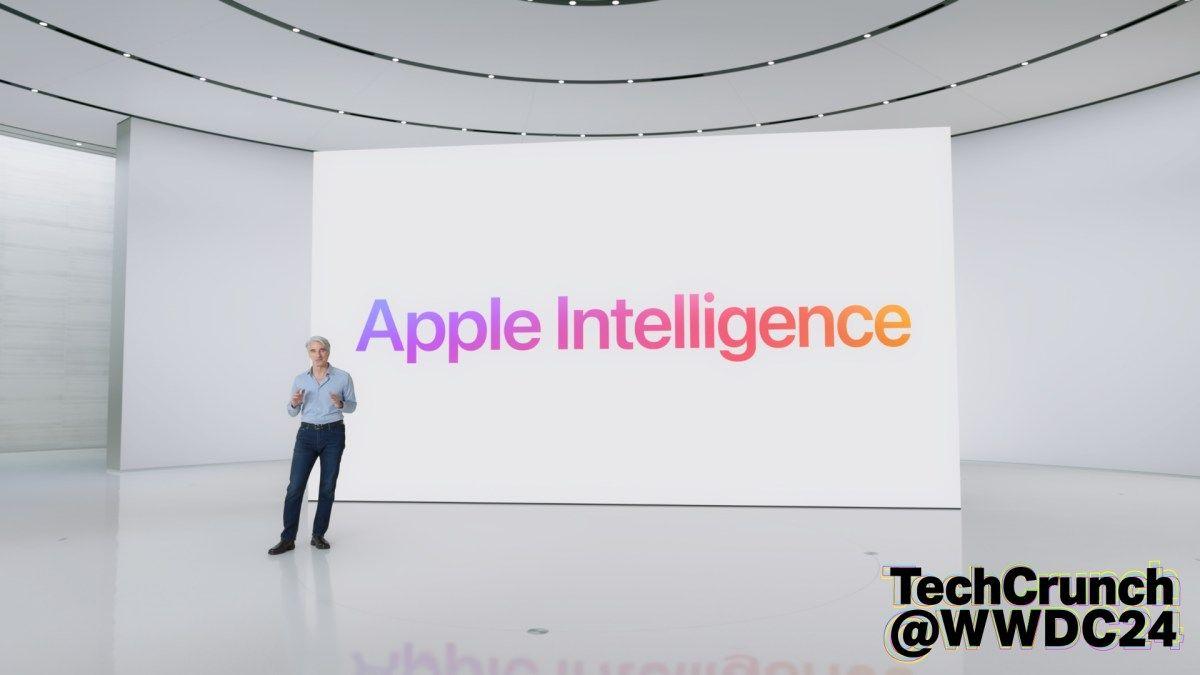
Apple's AI Ambitions Fall Short
In 2018, Apple made a strategic move by hiring John Giannandrea, Google's former AI chief, to lead its artificial intelligence efforts
1
. This high-profile acquisition was seen as a potential turning point for Apple's AI development, particularly for its voice assistant, Siri. However, seven years later, the tech giant finds itself struggling to keep pace with competitors in the rapidly evolving AI landscape3
.Siri's Persistent Challenges

Source: Analytics Insight
Despite promises of major overhauls, Siri continues to face significant limitations. The voice assistant struggles with basic comprehension and commands, falling behind competitors like Google Assistant and Amazon's Alexa
1
. Apple's attempts to improve Siri have been marred by delays and unfulfilled promises. Features such as on-screen awareness and personal context understanding, initially planned for release with iOS 18, have been postponed multiple times and may not be available until 2026, if at all5
.Internal Struggles and Leadership Issues
Reports suggest that Apple's AI efforts have been hindered by internal challenges and leadership issues. Some employees attribute the slow progress to decisions made by specific executives, including John Giannandrea himself
2
. Critics argue that Giannandrea lacked a sense of urgency and failed to secure adequate funding for AI initiatives3
. Additionally, Apple's software chief, Craig Federighi, reportedly hesitated to invest heavily in AI, further complicating the company's efforts2
.Apple's Cautious Approach
Apple's traditionally cautious approach to product development has become a double-edged sword in the fast-paced AI race. The company's commitment to perfecting features before launch and its focus on privacy have contributed to delays in implementing AI advancements
3
. This strategy contrasts sharply with the more aggressive approaches of competitors like OpenAI, Microsoft, and Google, who have been rapidly deploying large-scale AI models and features4
.Related Stories


Financial Implications and Market Position
While Apple continues to report strong financial results, with revenue reaching $95.4 billion in the fiscal second quarter of 2025, concerns are growing about the company's ability to maintain its market leadership in the face of AI advancements
4
. Eddy Cue, a senior Apple executive, has reportedly warned that AI could do to the iPhone what the iPhone did to Nokia's business, highlighting the potential risks of falling behind in this crucial technology3
.Future Outlook and Potential Strategies
Apple is not standing still in the face of these challenges. The company is working on iOS 19, which is expected to include significant AI updates, including battery optimization and a virtual health coach
3
. There are also plans to separate Apple Intelligence from Siri to distance it from the voice assistant's tarnished reputation3
. However, as the AI landscape continues to evolve rapidly, Apple faces mounting pressure to accelerate its development and deployment of AI technologies to remain competitive in the market4
.References
Summarized by

Navi
[1]
[2]
[4]
[5]
Related Stories
Recent Highlights



Recent Highlights
Today's Top Stories





Don’t drown in AI news. We cut through the noise - filtering, ranking and summarizing the most important AI news, breakthroughs and research daily. Follow topics that matter to you and stay ahead.


