Apple's first smart glasses bet on Siri, not screens, and Siri is running late


2 Sources
[1]
Apple's Smart Glasses Strategy Hinges on Siri and iPhone Apps
Apple plans to unveil its first smart glasses at WWDC in June 2027 and begin shipping them before the end of the year, according to Bloomberg's Mark Gurman. In the latest edition of his "Power On" newsletter, Gurman shared new details about the glasses' design, charging system, and Siri
[2]
AppleInsider.com
Apple's plan for its AI-equipped smart glasses is to lean on integrations with a user's existing iPhone apps, in a similar way to the CarPlay-like HomeView. Apple's long-rumored smart glasses are expected to lean on AI processing for its first release. However, the way that it functions with AI
Share
Copy Link
Apple's first smart glasses, reported for 2027, skip augmented reality displays entirely and run on Siri. The software they depend on is reportedly behind schedule.
The plan
Apple is developing its first smart glasses, per Bloomberg's Mark Gurman, who reports the company plans to unveil them at its Worldwide Developers Conference in June 2027 and ship before the end of that year
2
1
. Apple has not announced the product, and Gurman notes the timeline could still slip.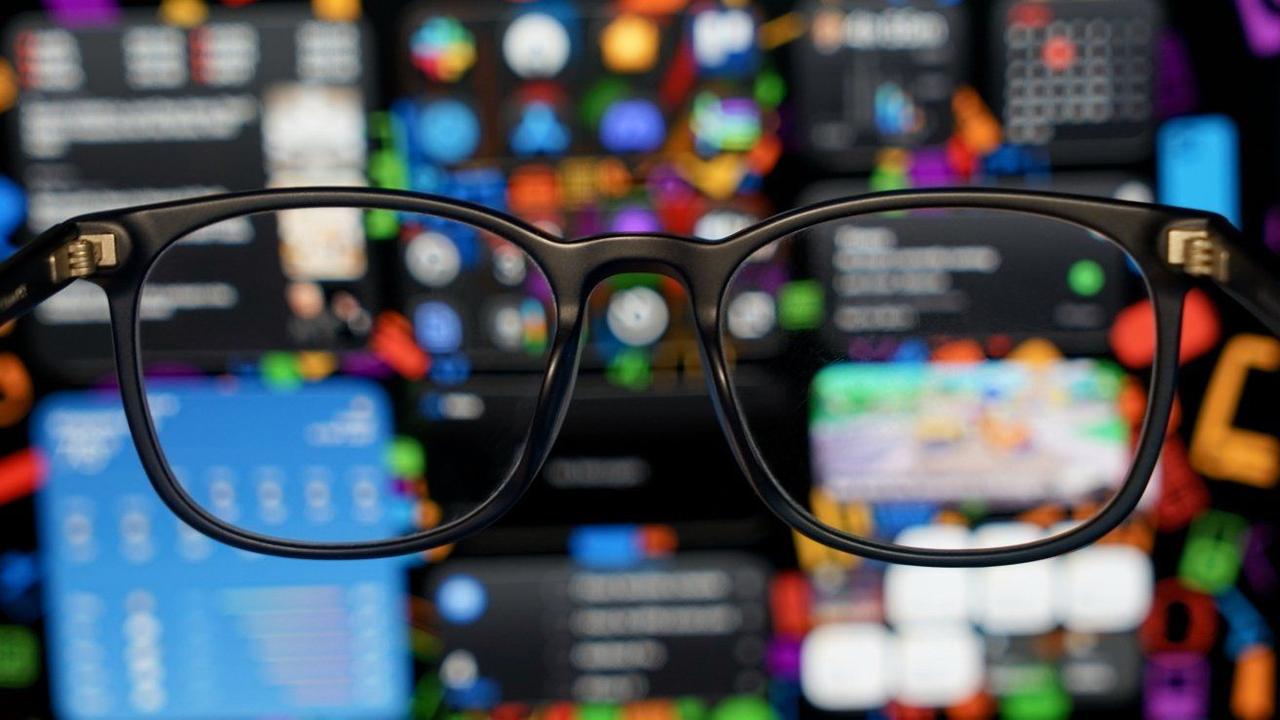
Source: AppleInsider
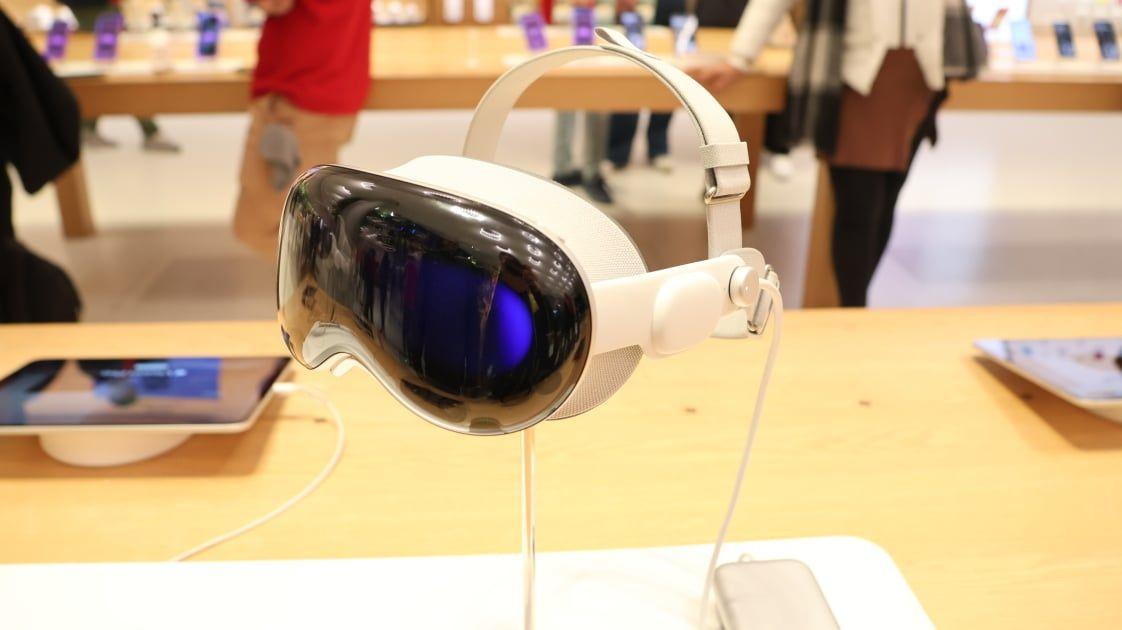
The first model, per the reporting, will show no augmented reality imagery. Interaction happens through Siri, which uses the glasses' cameras to answer questions about what is around you
1
. That puts the device in a different category from the display-heavy headsets Apple and others have sold before; this one is a wearable assistant.The iPhone does the heavy lifting
Developers will not build separate glasses apps. Under the plan, their existing iPhone apps run on a paired recent iPhone, with Siri controlling specific functions inside them. There is no Android support planned
2
1
.The bet is on the ecosystem: Apple sees access to its existing iPhone apps as a key edge over rival smart glasses, per Gurman's reporting
2
1
. The architecture explains why the pairing is necessary. The prototypes run a reduced version of visionOS on a processor based on older Apple Watch silicon, so the iPhone covers the glasses' modest processing power and memory1
.Planned Siri tasks cover everyday errands: booking restaurant tables, requesting rides, ordering coffee and buying movie tickets
1
. The glasses would also identify buildings, suggest meals from what is in your fridge, translate signs and conversations, plus handle calls, messages, music and smart home controls1
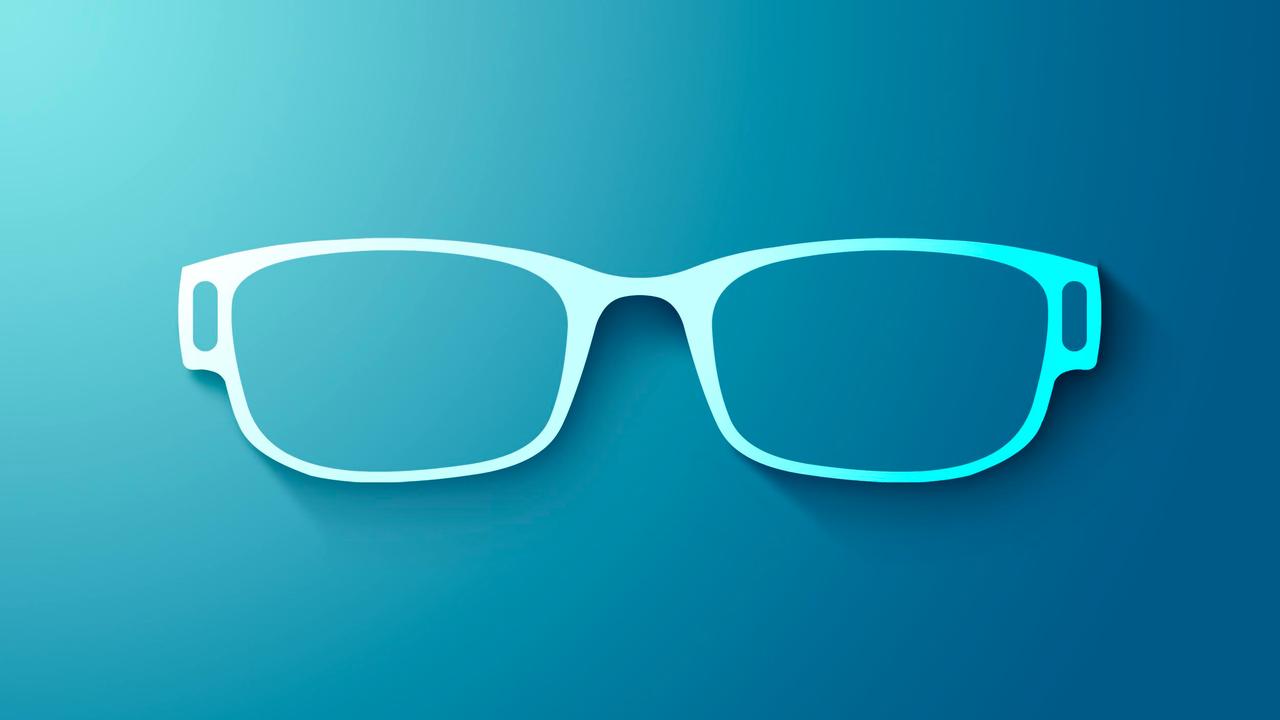
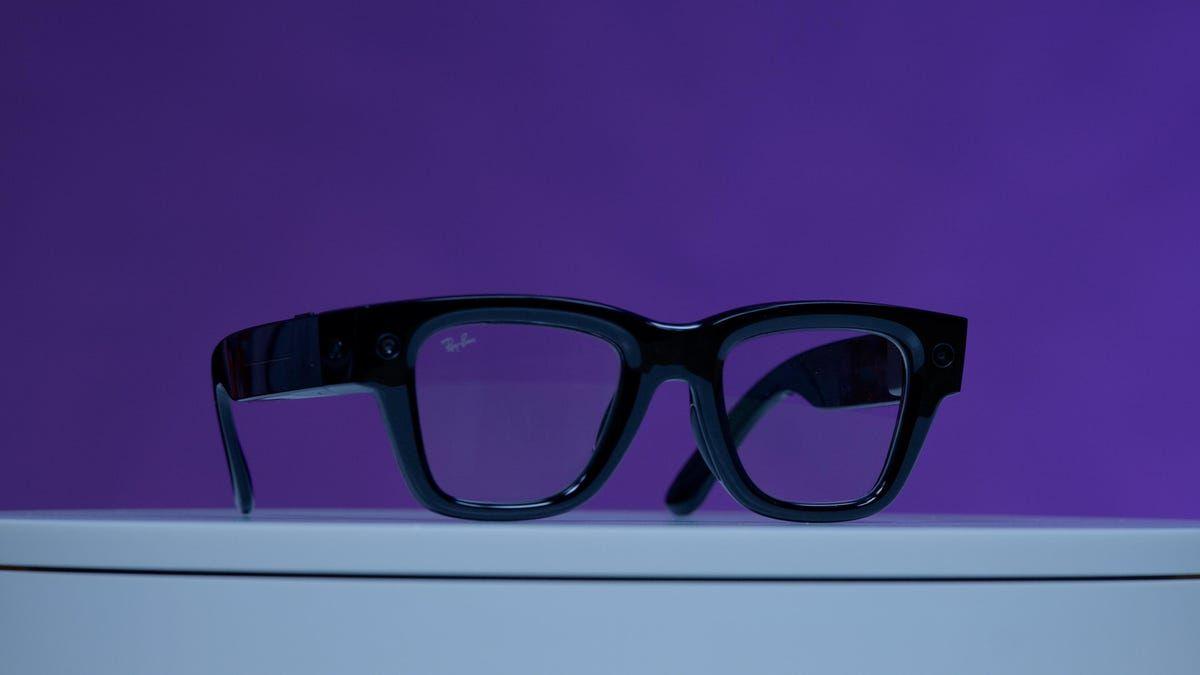
. Apple envisions these uses; none has been demonstrated yet.The prototypes are slightly thinner than Meta's second-generation Ray-Ban smart glasses, with some test units carrying oval camera openings flush in the frame and experimental privacy features
1
.
Source: MacRumors
Related Stories
The software is the problem
The Siri groundwork is already rolling out. The first iOS 27.3 beta, shipped this month, includes the app controls the glasses need
1
. The capability was originally demonstrated in 2024 and has since been rebuilt using newer AI models1
. Apple wants developers to have Siri integrations ready before the glasses arrive2
1
.Work on the glasses began in the early 2020s, and the hardware is largely settled, per the reporting. The software and AI work is running late, though, and could delay the 2027 launch
1
. The plan leans on Siri, and Siri is the component that is behind.The glasses would also sit alongside a broader wearable line. Camera-equipped AirPods remain scheduled for late 2027 and will feed Siri the same surroundings information
1
. The glasses should last longer on a charge and carry more sensors, and Apple sees potential for all-day wear1
. Support for Apple's own apps is planned for December, with third-party developers following in 2027, per the reporting.References
Summarized by

Navi
[2]
Related Stories
Apple's smart glasses leaked by its own supplier's earnings report
12 Nov 2026•Technology

Apple tests four frame designs for AI smart glasses as privacy becomes the differentiator
12 Apr 2026•Technology
Apple's AI-Powered Smart Glasses Set to Launch in 2026, Challenging Meta's Dominance
23 May 2025•Technology

Recent Highlights


Recent Highlights
Today's Top Stories





Don’t drown in AI news. We cut through the noise - filtering, ranking and summarizing the most important AI news, breakthroughs and research daily. Follow topics that matter to you and stay ahead.


