Apple's iPhone 17 Unlikely to Feature 2nm Chip, Pushing Advanced Processor to 2026


4 Sources
[1]
Next Year's iPhone 17 Unlikely to Feature TSMC's First 2nm Chip
Reports that next year's iPhone 17 will adopt TSMC's next-generation 2nm process are "fake news," a reputable source of accurate predictions about Apple's plans claimed on Monday. According to a post by Weibo user "Phone Chip Expert," the 2nm process won't go into mass production until the end of
[2]
iPhone 17 2nm chip reports disputed by leaker with decent record
Citing inside information they claim to have about TSMC's forecast production capacity, they suggest that 2nm chips won't enter production until the end of 2025 - which would be too late for the iPhone 17 ... The Financial Times reported back in December of last year that TSMC had recently
[3]
TSMC 2nm processor won't arrive until the iPhone 18 Pro
Despite previous reports that Apple's iPhone 17 Pro would get TSMC's latest 2nm processor, a new claim says mass production will not be ready until the end of 2025. As recently as April 2024, reports were saying that the new and faster 2 nanometer processors would be produced for Apple in 2025,
[4]
Production Delays Force Apple To Skip TSMC's 2nm Chip For iPhone 17: Report - Taiwan Semiconductor (NYSE:TSM)
Apple Inc. AAPL could end up pushing back the use of Taiwan Semiconductor's TSM 2-nanometer chip technology for its upcoming iPhone 17 series. What Happened: A reputable source with an accurate track record of predictions with respect to Apple's plans said on Weibo that the next-generation iPhone
Share
Copy Link
Reports suggest that Apple's iPhone 17, expected in 2025, will not incorporate TSMC's 2nm chip technology. The advanced processor is now anticipated to debut in the iPhone 18 Pro in 2026, marking a delay in Apple's chip progression.

Apple's Chip Upgrade Plans Face Setback
In a significant development for the tech industry, Apple's plans to incorporate Taiwan Semiconductor Manufacturing Company's (TSMC) 2-nanometer chip technology in its iPhone lineup have reportedly hit a snag. According to multiple sources, the highly anticipated 2nm chips are now unlikely to make their debut in the iPhone 17, which is expected to launch in 2025
1
.Production Delays and Technical Challenges
The delay is primarily attributed to production challenges faced by TSMC, Apple's primary chip supplier. The complex nature of developing and manufacturing chips at such an advanced node has led to unexpected hurdles, pushing back the timeline for mass production
2
. This setback underscores the increasing difficulty in maintaining Moore's Law, which has long guided the semiconductor industry's progress.Implications for iPhone 17
As a result of these delays, the iPhone 17 series, slated for release in 2025, is now expected to continue using the 3nm process technology. This means that while the device will still see improvements in performance and efficiency, it may not achieve the significant leap that was initially anticipated with the 2nm chips
3
.Looking Ahead: iPhone 18 Pro and Beyond
Industry analysts now project that the 2nm chip technology will likely make its debut in the iPhone 18 Pro models, expected to launch in 2026. This revised timeline gives TSMC additional time to refine its manufacturing process and ensure high yields for the advanced chips
4
.Impact on the Smartphone Market
The delay in adopting 2nm technology could have broader implications for the smartphone industry. As Apple has often been at the forefront of incorporating cutting-edge chip technology, this setback might influence the plans of other manufacturers who look to Apple as a benchmark for innovation in mobile processors.
Related Stories


TSMC's Position in the Chip Manufacturing Landscape
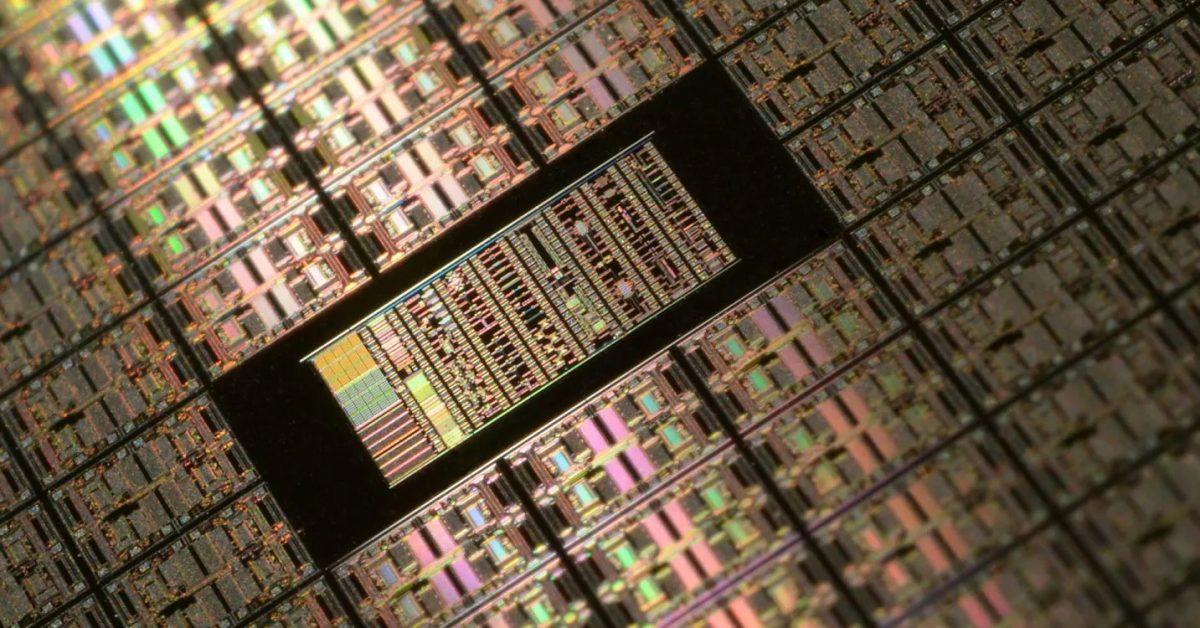
Despite the delay, TSMC remains a crucial player in the semiconductor industry. The company's ability to eventually deliver 2nm chips will be vital for maintaining its competitive edge against rivals like Samsung and Intel, who are also racing to develop similar advanced node technologies
1
.Consumer Expectations and Market Response
While the absence of 2nm chips in the iPhone 17 might disappoint some tech enthusiasts, it's worth noting that the average consumer may not notice significant differences in day-to-day usage. Apple's optimization of software and hardware integration often results in performance improvements that extend beyond raw chip specifications.
References
Summarized by

Navi
[3]
Related Stories
Recent Highlights



Recent Highlights
Today's Top Stories






Don’t drown in AI news. We cut through the noise - filtering, ranking and summarizing the most important AI news, breakthroughs and research daily. Follow topics that matter to you and stay ahead.


