Apple's Next-Gen AirPods: Integrating Cameras for Enhanced Vision Pro Experience and Beyond


2 Sources
[1]
How next AirPods could control Vision Pro with a wave of your hand
Apple is accelerating efforts to embed infrared cameras into future AirPods, targeting a 2026-2027 release to deepen integration with its Vision Pro headset and unreleased smart glasses, according to Bloomberg's Mark Gurman and analyst Ming-Chi Kuo. The cameras, functioning as environmental sensors
[2]
AirPods with cameras still a priority for Apple's computer vision goals | AppleInsider
Apple's AirPods could offer more than just sound, with the personal audio accessories still anticipated to gain cameras at some point in the future, and there's patent filings to prove it. Apple's work to increase the utility of its wearable devices could lead in a slightly offbeat direction for
Share
Copy Link
Apple is developing AirPods with built-in infrared cameras, aiming to deepen integration with Vision Pro and future smart glasses. The new features could enable spatial audio personalization, gesture controls, and health tracking.

Apple's Vision for Next-Generation AirPods
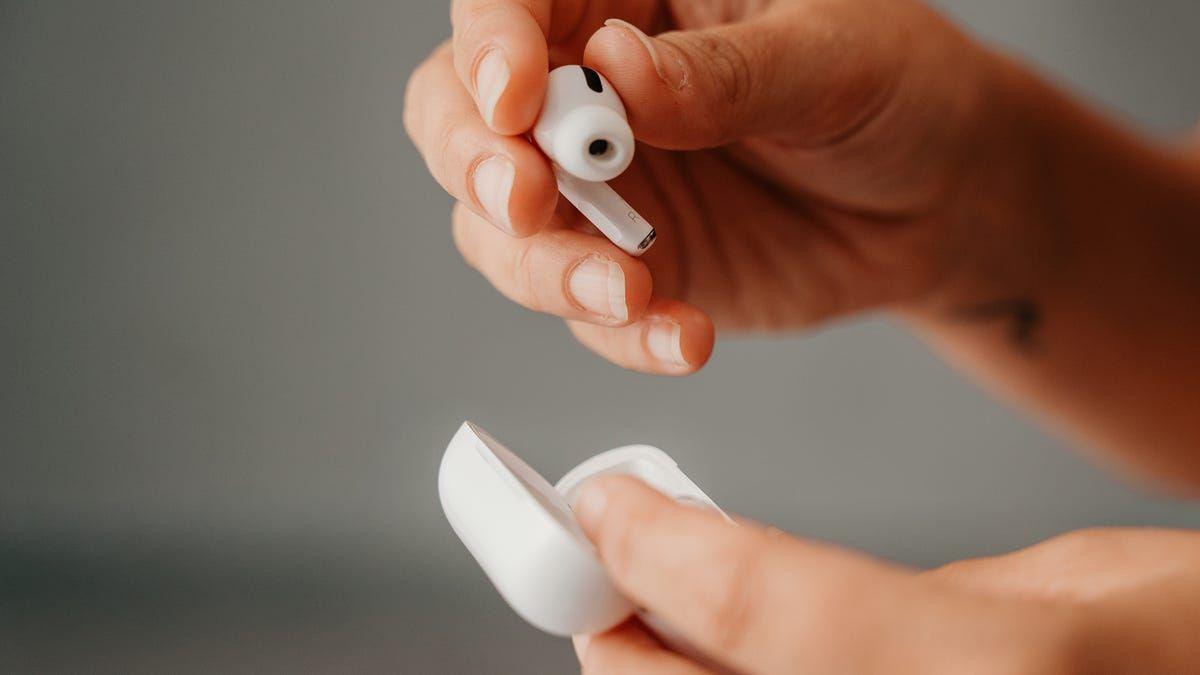
Apple is pushing the boundaries of wearable technology with its plans to integrate infrared cameras into future AirPods. This ambitious project, slated for a potential 2026-2027 release, aims to transform AirPods from mere audio accessories into multifunctional wearables that seamlessly integrate with the Vision Pro headset and rumored smart glasses
1
.Enhanced Spatial Audio and Gesture Control
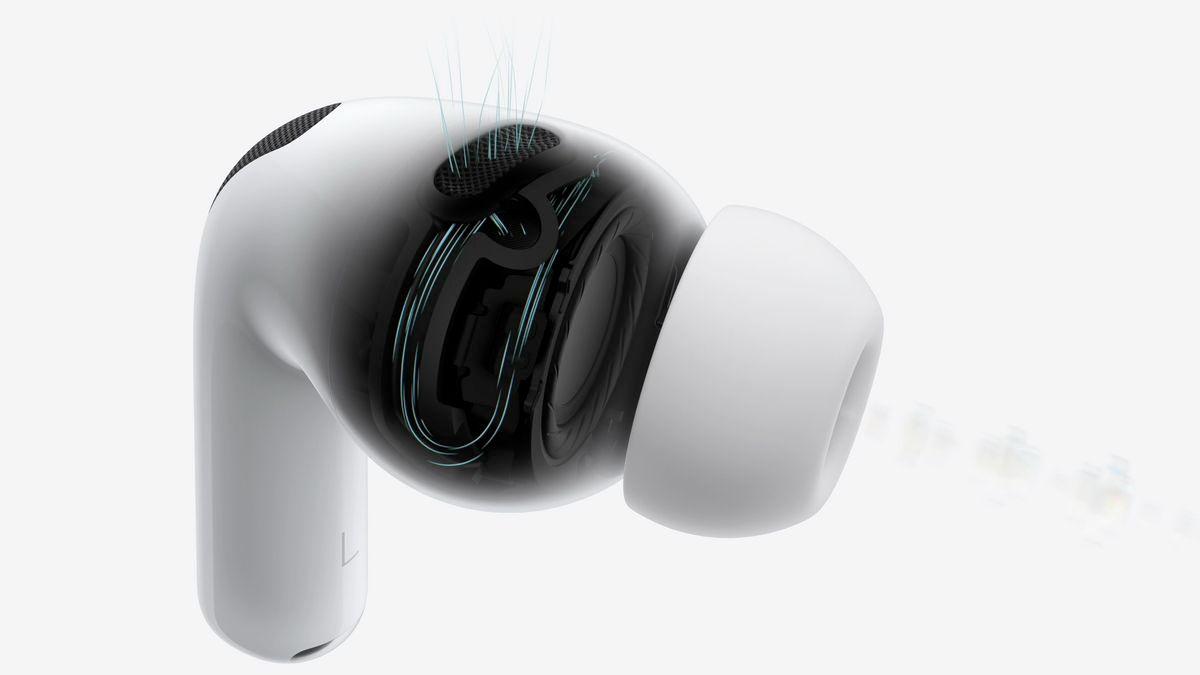
The redesigned AirPods will incorporate infrared camera modules comparable to Apple's Face ID system. When paired with the Vision Pro, these sensors will track head movements to dynamically adjust spatial audio, enhancing immersion in mixed-reality environments
1
. Additionally, the cameras could enable "in-air gesture control," allowing users to scroll menus or adjust volume via hand motions detected by the earbuds1
.Expanding Functionality Beyond Audio
Apple's patent filings reveal broader ambitions for AirPods. A 2020 application describes offloading smart glasses' camera modules to AirPods to reduce facial wearables' bulk
1
. This aligns with Apple's roadmap to use IR cameras for feeding environmental data to on-device AI, enabling context-aware adjustments to Vision Pro's audio-visual outputs1
.Health and Fitness Integration
Beyond cameras, Apple plans to integrate heart rate monitors and temperature sensors into AirPods
1
. Patent filings detail additional sensors, including photoplethysmogram sensors for cardiovascular metrics and motion sensors for workout tracking1
. These features position AirPods as potential competitors to fitness trackers.Technical Challenges and Production Timeline
Analysts estimate mass production could begin by 2026, contingent on overcoming miniaturization challenges
1
. Engineers must shrink camera modules without compromising battery life or ergonomics. Apple's supply chain is reportedly testing infrared components from existing iPhone Face ID suppliers, though the project remains in "exploratory" stages1
2
.Related Stories
Strategic Importance for Apple
Apple's wearables team views AirPods as critical to offsetting slowing iPhone sales
1
. The company sees AirPods as a bridge between Vision Pro, rumored smart glasses, and iPhones. This strategy is reflected in Apple's 2023 hiring spree for optical engineering experts1
.Market Position and Competition
Apple faces pressure to outpace rivals like Meta, which debuted camera-equipped Ray-Ban smart glasses in 2023
1
. The camera-equipped AirPods could retail for $349, reflecting their expanded capabilities1
. Patent disputes may arise, as Apple's filings for "ear-worn environmental sensors" partially overlap with existing patents from competitors1
.Supply Chain and Production
Supply chain leaks indicate Foxconn will assemble the camera modules, while Sony and LG Innotek vie to supply infrared sensors
1
. Apple has reportedly secured "limited component capacity" for late 2026, signaling confidence in the project despite risks1
2
.As Apple continues to innovate in the wearable technology space, these camera-equipped AirPods represent a significant step towards creating a more interconnected and immersive ecosystem of devices. The success of this project could redefine the boundaries of personal audio technology and strengthen Apple's position in the evolving landscape of augmented and mixed reality.
References
Summarized by

Navi
Related Stories
Apple's AI Vision: AirPods with Built-in Cameras in Active Development
10 Mar 2025•Technology

Apple's AirPods Evolution: AI-Powered Cameras and Health Sensors Coming in 2026
13 Oct 2025•Technology
Apple Accidentally Leaks Camera-Equipped AirPods With Visual Intelligence in macOS Tahoe Release
18 Aug 2026•Technology

Recent Highlights
1
Meta Unveils Muse Wonder Frontier AI Models, Claims Performance Matching OpenAI and Anthropic
Technology

2
IMF Report Warns AI Market Correction Could Spark Global Financial Crisis With $1.4T at Risk
Business and Economy

3
OpenAI Releases 722 AI-Generated Math Solutions, Triggering Existential Crisis in Mathematics
Technology

Recent Highlights
Today's Top Stories










Don’t drown in AI news. We cut through the noise - filtering, ranking and summarizing the most important AI news, breakthroughs and research daily. Follow topics that matter to you and stay ahead.


