Arm Hires Amazon's AI Chip Expert to Boost In-House Chip Development


9 Sources
[1]
Arm hires Amazon's AI chip developer, ostensibly to help create its own processors -- Rami Sinno returns to the company, boasts Trainium and Inferentia on resume
This is the latest move in Arm's chip designer hiring spree that's been ongoing for the past year. British semiconductor and chip design firm Arm Holdings has hired Amazon's director of engineering in its Amazon Web Services division to work on developing its own complete processors, according to
[2]
Top AWS chip engineer reportedly defects to Arm
Rami Sinno led Trainium and Inferentia development at Amazon British chip designer Arm Holdings has reportedly recruited one of Amazon Web Services' top chip engineers. Rami Sinno ran engineering teams at Arm before joining Amazon's Annapurna Labs team in 2019, where he oversaw the development of
[3]
Exclusive: Arm hires Amazon AI exec to boost plans to build its own chips
SAN FRANCISCO, Aug 18 (Reuters) - Arm Holdings has hired Amazon.com (AMZN.O), opens new tab artificial intelligence chip director Rami Sinno to bolster its plans to develop its own complete chips, a person familiar with the matter said on Monday. Sinno was responsible for helping to develop
[4]
Exclusive: Arm hires Amazon AI chip director to aid in-house effort
SAN FRANCISCO, Aug 18 (Reuters) - Arm Holdings has hired former Amazon.com (AMZN.O), opens new tab artificial intelligence chip director Rami Sinno to bolster its plans to develop its own complete chips, according to a person familiar with the matter. Sinno was responsible for helping to develop
[5]
Reuters: Arm hires Amazon AI chip exec for in-house chipmaking
Arm has reportedly been set on building its own chips for a while now, with Amazon's Rami Sinno being the latest in a series of strategic recruitment to boost this ambition. Chip design company Arm has reportedly hired Amazon's artificial intelligence (AI) chip director Rami Sinno to boost its
[6]

Arm hires Amazon AI exec to boost plans to build its own chips - The Economic Times
Arm Holdings has hired Amazon AI chip director Rami Sinno to support its shift towards building complete chips. Known for Amazon's Trainium and Inferentia, Sinno joins Arm's growing team of industry veterans. The move marks a strategic shift as Arm aims to expand beyond chip designs into full
[7]

ARM's In-House AI Chip Pursuit Sees a Massive Breakthrough as the Firm Hires Amazon's AI Chip Expert Responsible for Highly-Capable Trainium CPUs
ARM's ambitions for an in-house AI chip have now seen a massive boost, as the company hires Amazon's AI chip director, who was responsible for high-end ASICs. The chip IP firm ARM is looking to make a strategic pivot in its business, moving into the CPU markets as the company looks to capitalize
[8]

Arm Taps Amazon AI Veteran To Drive In-House Chip Push, Challenge Nvidia And AMD: Report - Advanced Micro Devices (NASDAQ:AMD), Amazon.com (NASDAQ:AMZN)
In a strategic move, Arm Holdings ARM has recruited Rami Sinno, a former Amazon.com Inc AMZN artificial intelligence (AI) chip director, to enhance its in-house chip development plans. Trending Investment OpportunitiesAdvertisementArrivedBuy shares of homes and vacation rentals for as little as
[9]

Exclusive-Arm hires Amazon AI exec to boost plans to build its own chips
SAN FRANCISCO (Reuters) -Arm Holdings has hired Amazon.com artificial intelligence chip director Rami Sinno to bolster its plans to develop its own complete chips, a person familiar with the matter said on Monday. Sinno was responsible for helping to develop Amazon's homegrown AI chips called
Share
Copy Link
Arm Holdings, known for chip designs, hires Rami Sinno from Amazon to aid in developing its own complete processors, signaling a shift in the company's strategy.
Arm's Strategic Hire Signals Shift in Chip Manufacturing
British semiconductor and chip design firm Arm Holdings has made a significant move in its strategy to develop complete processors by hiring Rami Sinno, Amazon's director of engineering from its Amazon Web Services division
1
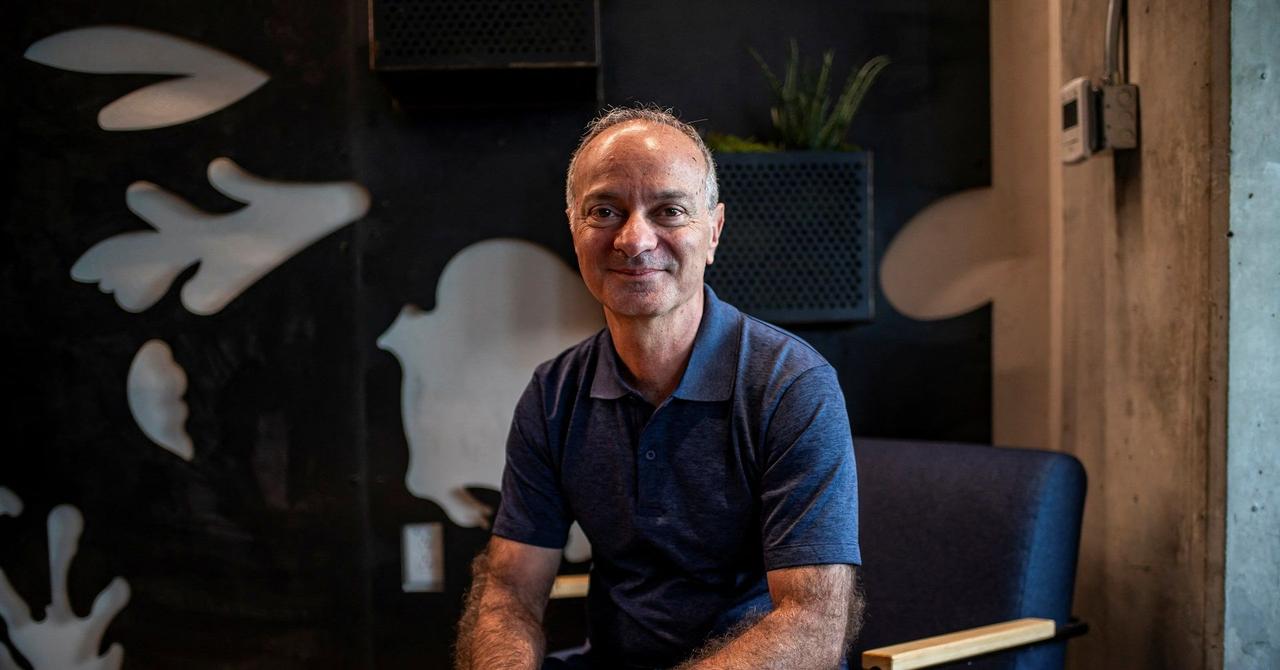
. Sinno, who led the development of Amazon's AI processors Trainium and Inferentia, will be returning to Arm, where he previously worked as VP of engineering between 2014 and 20192
.
Source: Reuters
Arm's Evolving Business Model
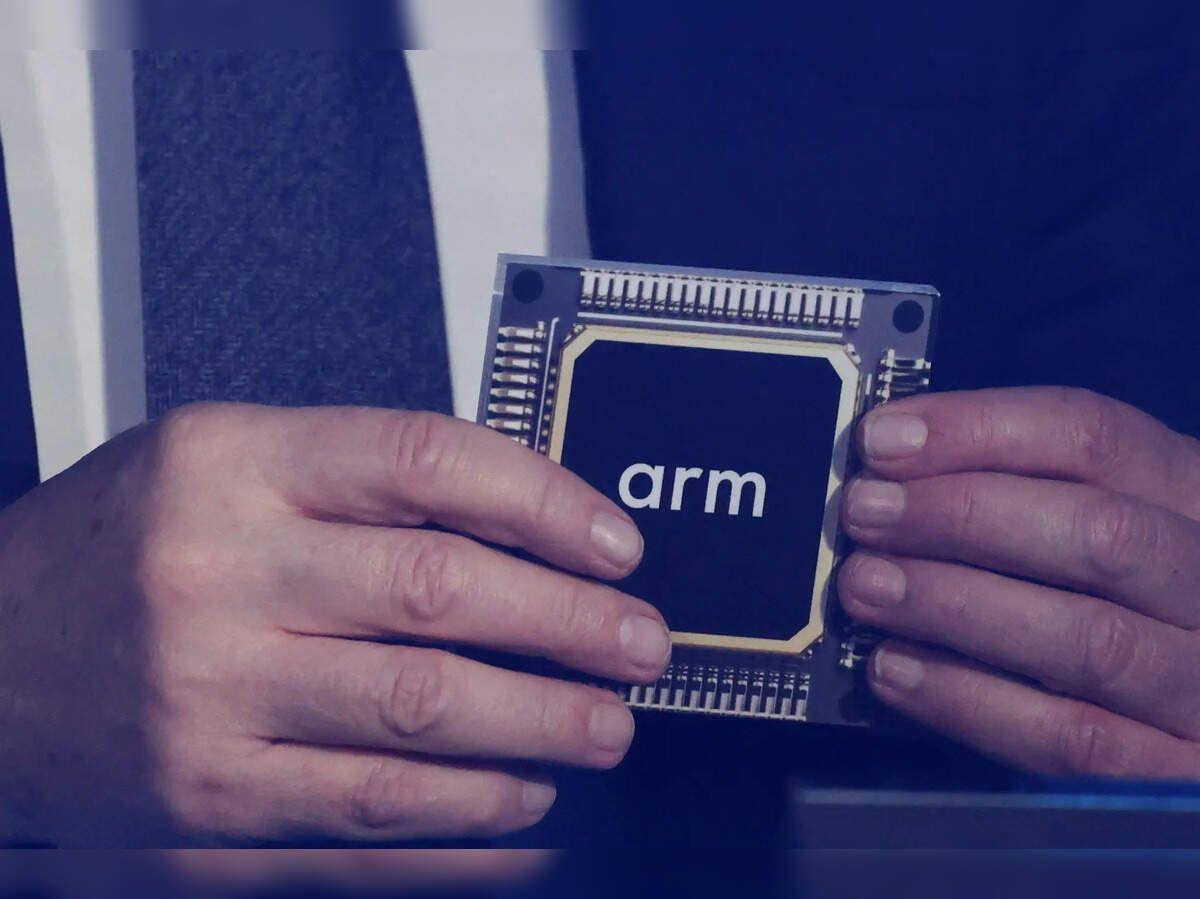
Historically, Arm has focused on licensing its chip designs to companies like Apple, Qualcomm, and Nvidia, rather than manufacturing its own chips
3
. However, the company has been hinting at a shift in its business model. In July, CEO Rene Haas discussed the possibility of moving beyond designs to building chiplets and complete systems4
.Strategic Hiring Spree
Sinno's recruitment is part of a broader hiring strategy by Arm to bolster its capabilities in building complete chips and systems. The company has also brought on board:
- Nicolas Dube from HPE, with large-scale systems design experience
- Steve Halter, a chip engineer from Intel and Qualcomm
3
These hires indicate Arm's serious intent to expand its role in the semiconductor industry.
Implications for the AI Chip Market
Source: ET
Arm's move into complete chip manufacturing could have significant implications for the AI chip market. The company's designs are already ubiquitous in mobile devices and are making inroads in data centers
1
. With its ambitious plan to capture 50% of the data center CPU market by the end of 2025, Arm is positioning itself as a major player in the AI hardware space1
.Related Stories



Potential Challenges
While this strategic shift offers new opportunities for Arm, it also presents challenges. By developing its own chips, Arm risks competing directly with its largest customers, which could potentially drive some to alternative compute architectures like RISC-V
2
. Balancing these relationships will be crucial for Arm's success in this new venture.The Broader Context
Source: Benzinga
Arm's move comes at a time of intense competition and innovation in the AI chip market. With companies like Nvidia building 100 AI factories and the increasing demand for high-compute, low-power chips for AI applications, Arm's entry into complete chip manufacturing could significantly alter the landscape of the semiconductor industry
1
5
.As the semiconductor industry continues to evolve rapidly, Arm's strategic shift and high-profile hires like Rami Sinno underscore the growing importance of AI-specific hardware and the intensifying competition in this space. The success of this venture could redefine Arm's role in the global technology ecosystem and potentially reshape the future of AI chip development.
References
Summarized by

Navi
[1]
[2]
[5]
Related Stories
Recent Highlights



Recent Highlights
Today's Top Stories









Don’t drown in AI news. We cut through the noise - filtering, ranking and summarizing the most important AI news, breakthroughs and research daily. Follow topics that matter to you and stay ahead.


