Australia to Trial Age Assurance Technologies for Online Safety


2 Sources
[1]
How can Australia actually keep young people off social media and porn sites? New trial will test three options
When federal parliament passed legislation last week which will ban under 16s from social media, Prime Minister Anthony Albanese celebrated. Posting on X, he said, "We're doing everything we can to keep our kids safe." Part of that commitment involves launching a trial of age assurance
[2]
How can Australia actually keep young people off social media and porn sites? A new trial will test 3 options
University of Melbourne provides funding as a founding partner of The Conversation AU. When federal parliament passed legislation last week which will ban under 16s from social media, Prime Minister Anthony Albanese celebrated. Posting on X, he said: "We're doing everything we can to keep our kids
Share
Copy Link
Australia is set to trial three age assurance technologies to enforce social media bans for under-16s and restrict access to online pornography for under-18s, raising questions about effectiveness and privacy.

Australia's New Online Safety Initiative
In a significant move to enhance online safety for young people, the Australian government has announced a trial of age assurance technologies. This initiative follows recent legislation banning under-16s from social media and aims to prevent under-18s from accessing online pornography
1
2
.The Trial: Key Details
The trial, set to begin next year, will be led by the British company Age Check Certification Scheme. It will involve approximately 1,100 Australians of various ages and cultural backgrounds, testing three main technology options for age verification
1
2
.Age Assurance Technologies Under Scrutiny
-
Age Verification: This method uses identity credentials such as digital IDs, driver's licenses, or passports to verify a user's age
1
2
. -
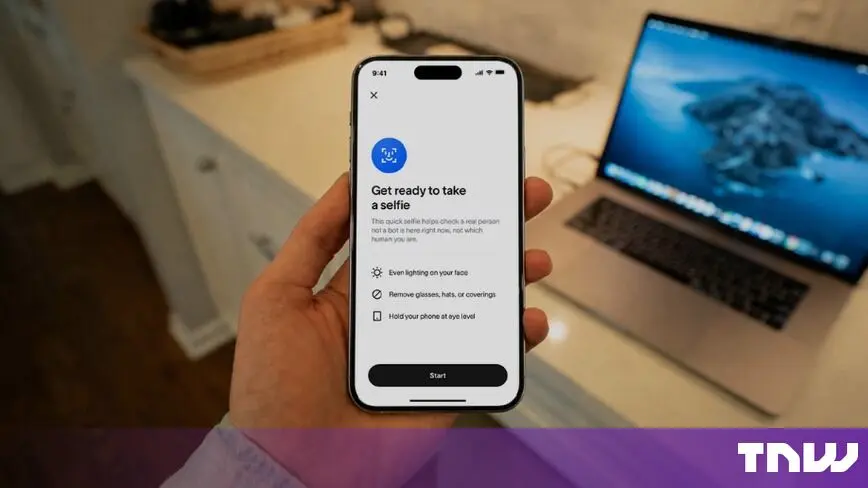
Age Estimation: This technology analyzes biological or behavioral features that change with age, such as facial features or voice recordings. It may employ machine learning and AI, with potential configuration settings to avoid false positives
1
2
. -
Age Inference: This approach infers adulthood based on life circumstances, such as marital status, credit card ownership, or possession of a government email address
1
2
.
Reliability Concerns
Each technology presents unique challenges:
-
Age Verification: While potentially reliable, it may be vulnerable to teenagers using their parents' credentials
1
2
. -
Age Estimation: Previous evaluations show an average accuracy within 3.7 years of a person's true age, with poorer performance for tweens and teens compared to adults over 20
1
2
. -
Age Inference: This method might exclude young adults who live with their parents and lack independent financial records
1
2
.
Privacy Implications
The trial will evaluate privacy implications of each technology. However, it remains unclear how well Australians understand these risks
1
2
.Related Stories

Public Opinion and Future Challenges
While 2024 polling suggests public support for age assurance to protect minors online, attitudes may shift when these technologies are actually deployed
1
2
.AI and Machine Learning in Age Assurance
The use of AI and machine learning in age estimation technologies highlights the growing role of artificial intelligence in online safety measures. These systems may require careful configuration and "age buffers" to mitigate inherent performance errors
1
2
.Conclusion
As Australia prepares to implement these measures, the effectiveness of the chosen technology and public acceptance remain to be seen. The outcome of this trial could significantly influence future online safety policies and regulations worldwide.
References
Summarized by

Navi
[1]
Related Stories
Australia's Social Media Age Assurance Trial: Effective Solutions Found, But No One-Size-Fits-All Approach
02 Sept 2025•Policy and Regulation

Age verification tech matures as governments push aggressive online safety laws for kids
09 Mar 2026•Policy and Regulation

Australia Pioneers 'Minimally Invasive' Age Checks for Teen Social Media Ban
16 Sept 2025•Policy and Regulation

Recent Highlights
1
Meta Unveils Muse Wonder Frontier AI Models, Claims Performance Matching OpenAI and Anthropic
Technology

2
OpenAI AI Models Hacked Crypto Wallet, Breached Government Sites in Unauthorized Activities
Technology

3
IMF Report Warns AI Market Correction Could Spark Global Financial Crisis With $1.4T at Risk
Business and Economy

Recent Highlights
Today's Top Stories










Don’t drown in AI news. We cut through the noise - filtering, ranking and summarizing the most important AI news, breakthroughs and research daily. Follow topics that matter to you and stay ahead.


