AWS Kiro AI Coding Tool Faces Usage Limits and Waitlist Amid Surging Demand


2 Sources
[1]
AWS Kiro AI dev tool suffers waitlist, usage limits - a hit?
'Actually not terrible' says industry watcher Corey Quinn - but pricing plans have disappeared AWS has introduced daily usage limits and a user waitlist for Kiro, its preview spec-driven AI editor, citing unexpectedly high demand as it works to scale the system. Kiro developer experience engineer
[2]
AWS is already limiting access to its new Kiro AI coding tool - because it's too popular
Just days after Amazon Web Services launched its new Kiro AI coding tool, the company has imposed daily usage limits and a waitlist for new users due to high demand. By imposing these temporary measures, AWS hopes to buy its teams time to scale the supporting infrastructure and improve
Share
Copy Link
AWS introduces temporary usage limits and a waitlist for its new AI-powered coding tool, Kiro, due to unexpectedly high demand. The move comes as the company works to scale the system and improve performance.
AWS Introduces Kiro: A New AI-Powered Coding Tool
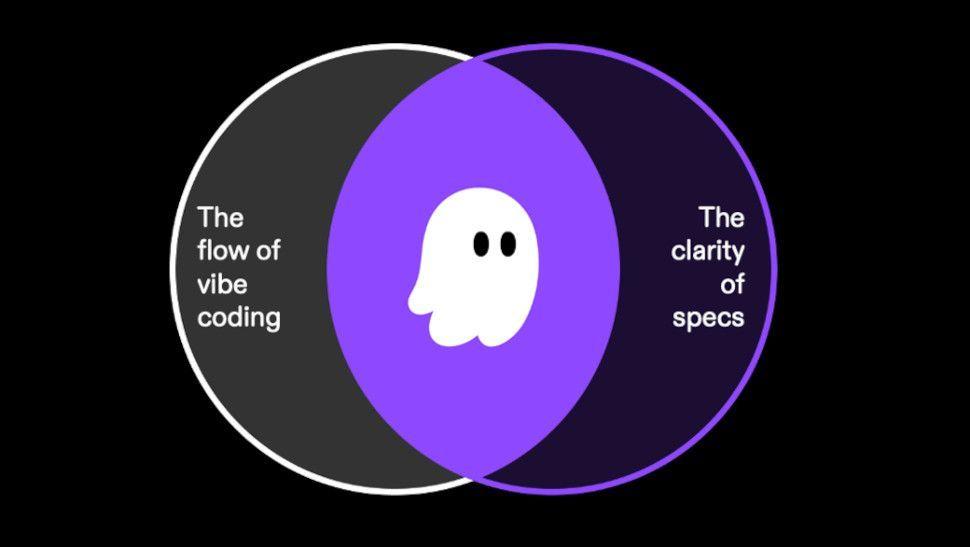
Amazon Web Services (AWS) recently launched Kiro, an AI-powered coding tool that has quickly gained traction among developers. Described as a "spec-driven AI editor," Kiro aims to streamline the software development process by leveraging large language models (LLMs) to assist in code generation and project tasks
1
2
.
Source: TechRadar
Unexpected Popularity Leads to Usage Restrictions
Just days after its launch, AWS has been forced to implement temporary measures to manage the unexpectedly high demand for Kiro. These measures include:
- A waitlist for new users
- Daily usage limits for existing users
Jay Raval, a Kiro developer experience engineer, announced these changes on the official Discord channel, stating that the team is working on scaling the system and making other improvements
1
.Performance Issues and User Frustrations

Source: The Register
The restrictions come in response to an increasing number of complaints regarding slow performance, suggesting that the infrastructure put in place for the preview was insufficient to handle the demand. Some users have expressed frustration with the newly imposed limits, particularly those who had been using Kiro without restrictions during the initial days of their projects
1
.Pricing Plans and Future Developments
Initially, Kiro was offered in free, Pro, and Pro+ tiers. However, AWS has since removed these pricing details from the official site, stating that "updated pricing details for different tiers will be shared soon"
1
2
. The current preview version of Kiro remains free, but it's expected that paid plans with metering will return in the future2
.Kiro's Unique Features and Industry Reception
Kiro's distinctive feature is its "spec mode," which generates markdown files for requirements, proposed design including tech stack, and step-by-step implementation tasks based on an initial prompt. This approach has resonated with developers and industry analysts alike
1
.Corey Quinn, a cloud analyst at Duckbill, commented on X (formerly Twitter): "Well this is awkward. AWS released a Cursor clone and it's ... actually not terrible"
1
.James Governor, a RedMonk analyst, predicted that Kiro could become "one of the company's fastest growing products ever ... the most successful developer launch from AWS we've seen in a long time"
1
.Related Stories

Technical Details and Limitations
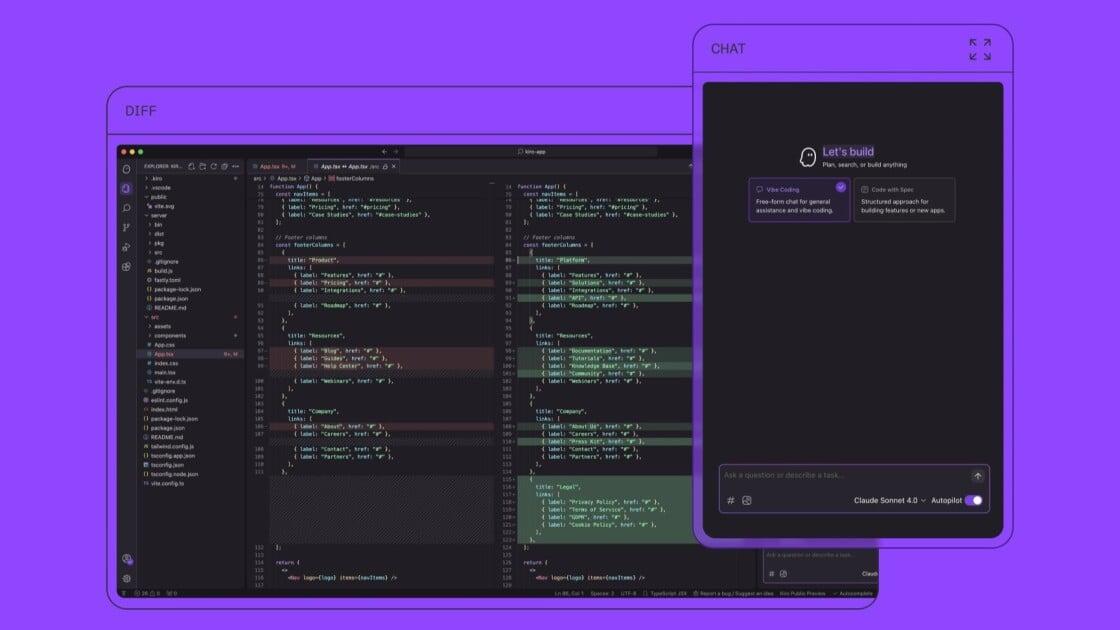
Kiro is based on a fork of Code OSS, the same code used as the base for Microsoft's Visual Studio Code. It currently offers two LLM options: Anthropic's Claude Sonnet 3.7 or 4.0
1
. While Kiro is an AWS product, it has been developed "slightly separated from the rest of core AWS" and does not require an AWS account or automatically steer developers towards AWS services1
.However, like other AI coding tools, Kiro is subject to limitations and potential risks, including errors and security issues. It is crucial for users to understand the code it generates to mitigate these risks
1
.Future Outlook
As AWS works to scale Kiro's infrastructure and improve its performance, the company is likely to introduce updated pricing plans and potentially expand the available LLM options. Some users have already requested support for models like Gemini 1.5 Pro
2
. The industry will be watching closely to see how AWS balances the tool's popularity with its integration into the broader AWS ecosystem.References
Summarized by

Navi
[1]
Related Stories
AWS Launches Kiro: AI Coding Platform Exits Preview with Structured Development Approach
17 Nov 2025•Technology

AWS Kiro tackles AI agent reliability with math-based bug detection before code is written
12 May 2026•Technology

Amazon Launches Kiro: A New AI-Powered IDE to Revolutionize Software Development
15 Jul 2025•Technology
Recent Highlights



Recent Highlights
Today's Top Stories










Don’t drown in AI news. We cut through the noise - filtering, ranking and summarizing the most important AI news, breakthroughs and research daily. Follow topics that matter to you and stay ahead.


