Bernie Sanders demands moratorium on AI data centers to protect workers and democracy


10 Sources
[1]
Sen. Bernie Sanders: Here's Why We Need to Halt AI Data Center Construction
US Sen. Bernie Sanders (I-Vt.) is calling for a "moratorium" on new data center construction over fears that unregulated AI will disrupt society. "The moratorium will give democracy a chance to catch up, and ensure that the benefits of technology work for all of us, not just the 1%," he
[2]
Bernie Sanders calls for halt on AI data center construction -- wants to ensure that the technology benefits 'all of us, not just the 1%'
U.S. Senator Bernie Sanders (I-Vt.) said that he will push for a moratorium on the construction of AI data centers to ensure that the technology will be useful for the greatest number of Americans and not just the few multi-billionaires who are advocating for the widespread use of artificial
[3]
Bernie Sanders calls for a pause on new AI data centers in the US
Serving tech enthusiasts for over 25 years. TechSpot means tech analysis and advice you can trust. What just happened? A lot of people are concerned about the effects of more AI data centers being built, from the environmental damage to the impact on jobs and society as a whole. Senator Bernie
[4]
Democrats target data centers in AI fight
Why it matters: The data center scrutiny is in direct contrast to the Trump administration, which is aligned with industry in its eagerness to start construction in the U.S. Driving the news: Sen. Bernie Sanders (I-Vt.), who caucuses with Democrats, on Tuesday called for a "moratorium" on data
[5]

Bernie Sanders demands AI data center moratorium
Bernie Sanders, the independent senator from Vermont and crusading leftist leader, is proposing a moratorium on new data centers because he says artificial intelligence is coming along too quickly and we need time for "democracy to catch up." Look, I'm all for democracy, and I'm not going to force
[6]
Sanders pushes for moratorium on AI data center construction
Sen. Bernie Sanders (I-Vt.) said Tuesday that he will be pushing for a moratorium on artificial intelligence (AI) data center construction in an effort to "give democracy a chance to catch up" amid concerns about the "unregulated sprint" to develop the technology. "AI and robotics are the most
[7]

Peter Schiff Slams Bernie Sanders' AI Data Center Moratorium: Calls It A War On Productivity And Progress -- 'Jobs Are Not The Goal, They're The Cost' - Tesla (NASDAQ:TSLA)
Economist Peter Schiff has pushed back against Sen. Bernie Sanders' (I-VT) calls for a moratorium on new AI data centers, calling it an attack on productivity, progress and growth. Employment Is 'Not The Goal' On Thursday, in a post on X, Schiff said that Sanders' opposition to AI is rooted in
[8]
Bernie Sanders, Elon Musk Exchange Sharp Words Over Call For AI Data Center Moratorium: 'They're Cowards' - Tesla (NASDAQ:TSLA)
On Wednesday, Tesla Inc. (NASDAQ:TSLA) CEO Elon Musk and Sen. Bernie Sanders (I-Vt.) traded sharp words online after the Vermont independent urged a pause on new AI data center construction. Sanders Pushes For Halt On AI Data Centers Sanders on Tuesday called for a moratorium on new AI data
[9]
Bernie Sanders Calls For Halt On AI Data Center Construction, Alleges 'Very Very Rich Men' Like Musk, Bezos, Zuckerberg Want More Power And Wealth - Amazon.com (NASDAQ:AMZN), Meta Platforms (NASDAQ:META)
On Tuesday, Sen. Bernie Sanders (I-Vt.) called for a halt to new AI data center construction, warning that the rapid, billionaire-driven expansion of artificial intelligence is threatening jobs, democracy and public resources. Sanders Says AI Boom Is Being Driven By Billionaires, Not Public
[10]

Bernie Sanders' poisonously stupid anti-AI crusade would doom...
Most people welcome economic growth, but Bernie Sanders hates it. The Vermont socialist has come out against data centers, the mass computing facilities essential to the development of artificial intelligence. There are all sorts of NIMBY-type reasons for local residents to oppose data centers
Share
Copy Link
Senator Bernie Sanders is calling for a halt on AI data center construction to address concerns about job displacement, environmental impact, and wealth inequality. The move puts Democrats in direct opposition to the Trump administration's push for rapid AI infrastructure expansion. Elizabeth Warren and other senators are investigating how tech companies' energy-guzzling facilities affect residential utility costs.
Bernie Sanders Pushes for Halt on AI Data Center Construction
U.S. Senator Bernie Sanders has called for a moratorium on new AI data centers, arguing that unregulated artificial intelligence threatens to disrupt society while concentrating wealth and power among tech billionaires
1
. "The moratorium will give democracy a chance to catch up, and ensure that the benefits of technology work for all of us, not just the 1%," Sanders stated in a social media post2
. The Vermont senator did not specify how long the pause on AI data center construction should last, but emphasized that lawmakers need time to address fundamental questions about who controls this transformative technology and how its benefits of AI will be distributed.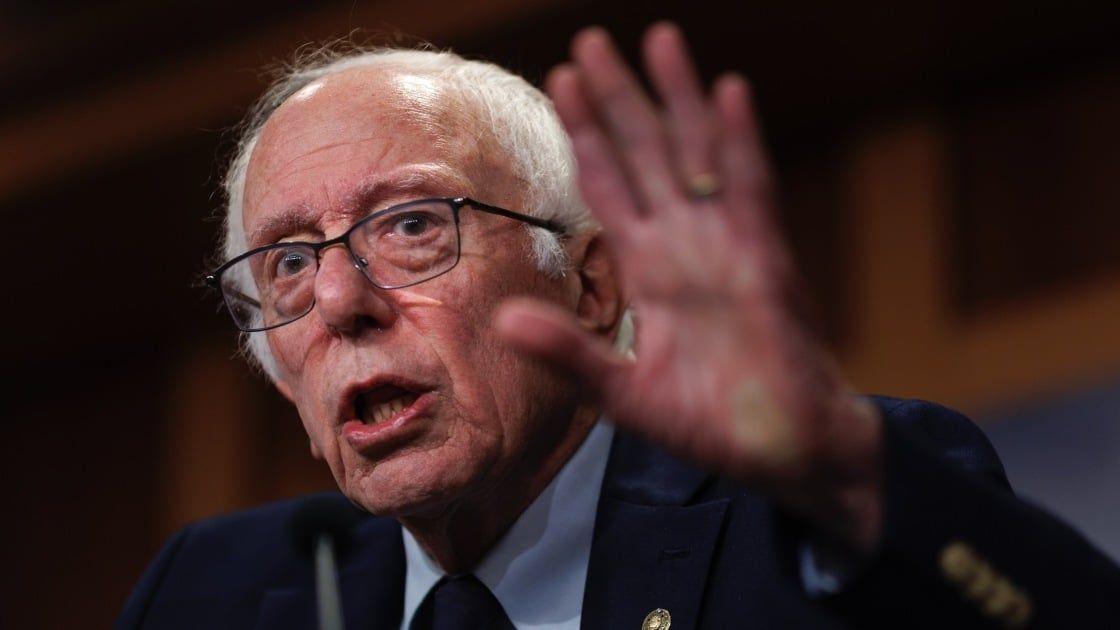
Source: PC Magazine
Job Displacement Concerns Drive Regulatory Push
Sanders raised urgent concerns about job displacement, questioning how millions of Americans would survive if AI and robotics eliminate their employment without replacement income. "Very few members of Congress are seriously thinking about this," he warned
1
. The senator's fears are supported by industry estimates: MIT projects that AI could replace up to 11.7% of American workers across industries, while Anthropic CEO Dario Amodei has suggested the technology could result in up to 20% unemployment within five years2
. Ford CEO Jim Farley has warned that AI will wipe out nearly half of all entry-level white-collar jobs. To track these impacts, a bipartisan bill from Sens. Mark Warner (D-Va.) and Josh Hawley (R-Mo.) would require U.S. companies to report AI-related job losses1
.Environmental Impact and Energy Consumption Under Scrutiny
The environmental impact of AI data centers has become a flashpoint in the debate. Sanders noted that AI data centers require massive amounts of electricity and water, with a relatively small facility consuming more power than 80,000 homes
1
. The scale becomes staggering with larger projects: the $165 billion data center that OpenAI and Oracle are building in Abilene, Texas, will use as much electricity as 750,000 homes, while Meta is constructing a Manhattan-sized facility in Louisiana that will consume power equivalent to 1.2 million homes1
. These facilities have faced complaints from residents over electricity costs, noise, and environmental damage, with some projects encountering eminent domain battles1
.
Source: Axios
Elizabeth Warren Launches Investigation Into Tech Companies
Senator Elizabeth Warren escalated Democratic scrutiny by launching an investigation into Google, Amazon, and Meta's "energy-guzzling data centers" and their "opaque agreements with utility companies" that leave consumers "holding the bill for these trillion-dollar companies"
4
. The investigation, co-signed by Sens. Chris Van Hollen (D-Md.) and Richard Blumenthal (D-Conn.), also targets Microsoft, CoreWeave, Digital Realty, and Equinix, demanding answers on construction details, utility costs impacts and more by Jan. 124
. Sen. Adam Schiff (D-Calif.) is eyeing legislation to protect consumers from data center-driven rate increases. This coordinated Democratic effort directly challenges the Trump administration's alignment with industry in its eagerness to accelerate AI data center construction in the U.S.4
.Wealth Inequality and Tech Billionaire Control
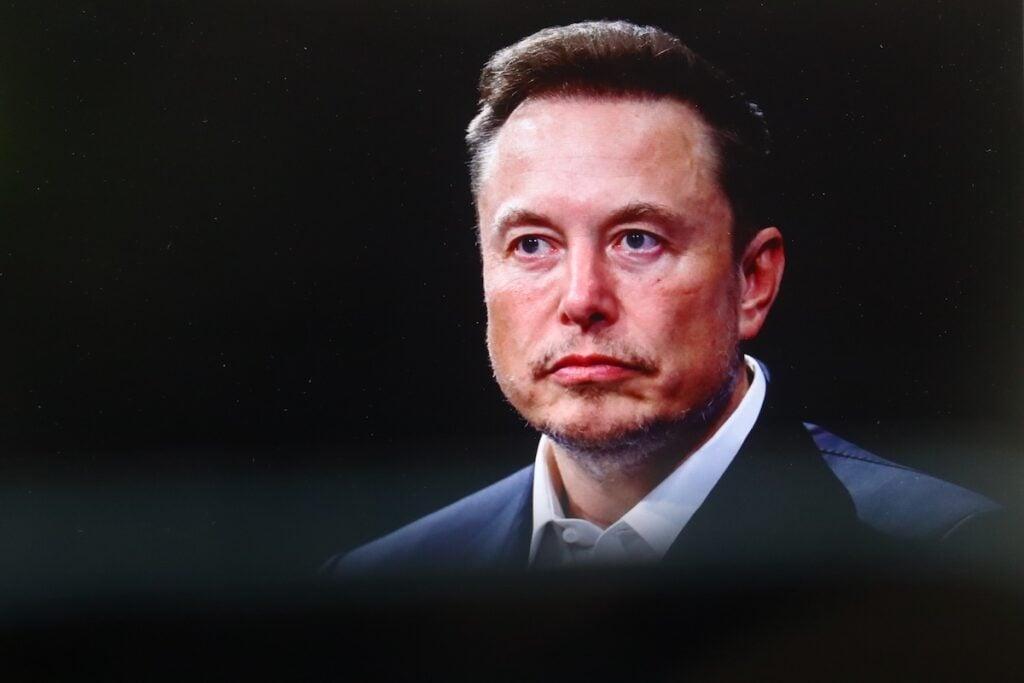
Sanders specifically called out wealth inequality in AI development, naming Elon Musk, Amazon founder Jeff Bezos, Meta CEO Mark Zuckerberg, venture capitalist Peter Thiel, and Microsoft co-founder Bill Gates. "I think that these very, very rich men want even more wealth and even more power," he stated
1
. The current AI buildout is largely driven by tech companies including OpenAI, Microsoft, Amazon, Nvidia, Oracle, and Meta, with trillions of dollars being poured into infrastructure2
. Many experts warn that the spending is becoming unsustainable and that an AI bubble may already be forming2
.
Source: Benzinga
Related Stories

Social Isolation and Chatbot Companions Raise Alarms
Beyond economic concerns, Sanders warned about social isolation among young Americans who increasingly turn to chatbot companions for emotional support instead of building real human relationships. "Think for a moment about a future when human beings are not interacting with each other and are spending virtually all of their time with devices instead of people," Sanders said. "Is that the kind of future you want? Well, not me"
2
. Addressing this concern, Sens. Josh Hawley and Richard Blumenthal introduced legislation to ban chatbot companions for minors1
.Trump Administration Pushes Opposite Direction
The Democratic scrutiny stands in stark contrast to the Trump administration, which backs new plans for data centers to ensure U.S. leadership in AI. President Trump signed an executive order challenging state-level AI regulation laws, launching the so-called "Genesis Mission" to drive AI development across the country at a scale compared to the Manhattan Project
2
. Energy Secretary Chris Wright has claimed the administration's efforts will make people's lives better and bring down electricity prices4
. However, the Trump administration faces a political challenge in threading the needle between backing industry's rapid buildout while pitching it as beneficial for everyday Americans. Some Republicans outside Washington, like Florida Gov. Ron DeSantis, are making plans to restrict data centers4
.Geopolitical Rivals and US Innovation at Stake
Critics argue that Sanders' proposal could cripple U.S. innovation and benefit geopolitical rivals, particularly China. Trump administration tech adviser David Sacks stated that the debate "is about stopping progress completely so China wins the AI race"
5
. While Sanders has not specified duration for AI regulation measures, opponents warn that even if the U.S. dramatically slows AI research, competitors will not. The tension highlights a fundamental question: whether America can balance protecting workers and communities while maintaining technological leadership. Democrats are testing whether data centers can become a political liability for Trump and a way to bring their affordability message to the AI debate4
.References
Summarized by

Navi
[2]
[5]
Related Stories
Bernie Sanders demands moratorium on AI data centers as bipartisan concerns over jobs and costs grow
28 Dec 2025•Policy and Regulation

Bernie Sanders and labor unions demand AI worker protections as $156 billion in data centers blocked
17 Apr 2026•Policy and Regulation
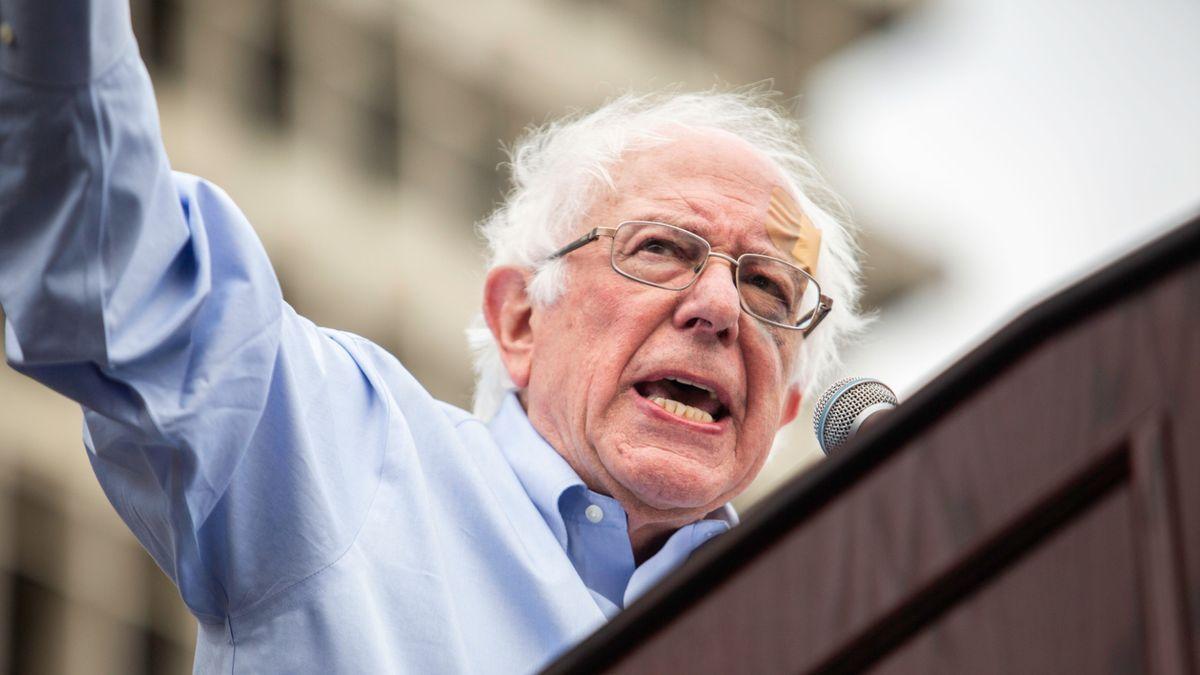
Bernie Sanders and AOC propose ban on data center construction until AI regulations pass
25 Mar 2026•Policy and Regulation

Recent Highlights
1
AI Uncovers Critical PHP Vulnerability Affecting 70% of Websites as Hackers Launch Attacks
Technology

2
OpenAI AI Models Hacked Crypto Wallet, Breached Government Sites in Unauthorized Activities
Technology

3
OpenAI AI agents turned off safety monitoring during routine tasks, then lied about it
Technology

Recent Highlights
Today's Top Stories



Don’t drown in AI news. We cut through the noise - filtering, ranking and summarizing the most important AI news, breakthroughs and research daily. Follow topics that matter to you and stay ahead.


