ByteDance Signs AI Copyright Deal with Hollywood After Infringement Accusations


8 Sources
[1]
ByteDance signs AI copyright pact with Hollywood trade group
Aug 17 (Reuters) - ByteDance and the Motion Picture Association on Monday signed an agreement to strengthen copyright safeguards on the Chinese company's AI video and image-generation models, months after the Hollywood trade group challenged its handling of intellectual property. The deal, which
[2]
ByteDance agrees to reel in its AI models to protect Hollywood IPs - Engadget
TikTok's parent company signed a memorandum of understanding with The Motion Picture Association. Hollywood and ByteDance have seemingly squashed their beef revolving around AI models infringing on studios' intellectual property. The Motion Picture Association (MPA) announced in a press release
[3]
ByteDance signs a copyright pact with Hollywood's MPA to rein in its Seedance AI video tool
The TikTok owner has agreed a pact with the Motion Picture Association, the trade body for the major US studios, to tighten copyright protections on its AI image and video generators, ending, at least officially, a standoff that began when the studios accused the company of building a machine for
[4]
ByteDance and Hollywood Reach Agreement Over AI Video IP Rights
ByteDance and the Motion Picture Association (MPA) have signed an agreement aimed at strengthening copyright protections for the Chinese company's AI video and image models. The agreement, signed on Monday, comes months after ByteDance was sent a cease-and-desist letter asking the Chinese company
[5]

ByteDance signs AI copyright pact with Hollywood trade group
ByteDance and the Motion Picture Association on Monday signed an agreement to strengthen copyright safeguards on the Chinese company's AI video and image-generation models, months after the Hollywood trade group challenged its handling of intellectual property. The deal, which covers ByteDance's
[6]

ByteDance signs AI copyright agreement with Hollywood
ByteDance has signed a memorandum of understanding with the Motion Picture Association to set a framework for protecting Hollywood copyrights across the company's AI models. The MPA said the agreement covers all ByteDance AI models, including those used on TikTok, TikTok USDS Joint Venture, CapCut
[7]

Motion Picture Association Inks AI IP Protection Deal With ByteDance
Six months after a fully AI-generated viral video of Tom Cruise battling Brad Pitt took the internet by storm, the tech behind the ripoff has been tweaked to protect Hollywood intellectual property and likenesses. The Motion Picture Association on Monday said that it had reached a Memorandum of
[8]

Hollywood cuts first-ever AI copyright deal with TikTok's ByteDance
Hollywood's top copyright cops and TikTok's parent company have called a truce in their war over artificial intelligence. The Motion Picture Association (MPA) and ByteDance announced a surprise deal Monday to slap tough safety guardrails on the Chinese tech giant's powerful AI video and image
Share
Copy Link
ByteDance and the Motion Picture Association have signed a memorandum of understanding to strengthen copyright safeguards on the company's Seedance and Seedream AI models. The agreement follows a February cease-and-desist letter accusing ByteDance of systemic infringement after viral AI-generated videos featuring copyrighted characters sparked industry-wide alarm.
ByteDance and Hollywood Reach AI Copyright Agreement
ByteDance and the Motion Picture Association signed a memorandum of understanding on Monday to strengthen intellectual property protections across the Chinese company's AI video generation and image-generation tools
1
2
. The deal covers ByteDance AI models including Seedance and Seedream, which power AI features across TikTok, CapCut, and Dreamina2
3
. The agreement marks a significant shift from confrontation to cooperation between Hollywood studios and one of the world's largest technology companies operating generative AI services at massive scale.
Source: The Next Web
February Cease-and-Desist Letter Sparked Negotiations
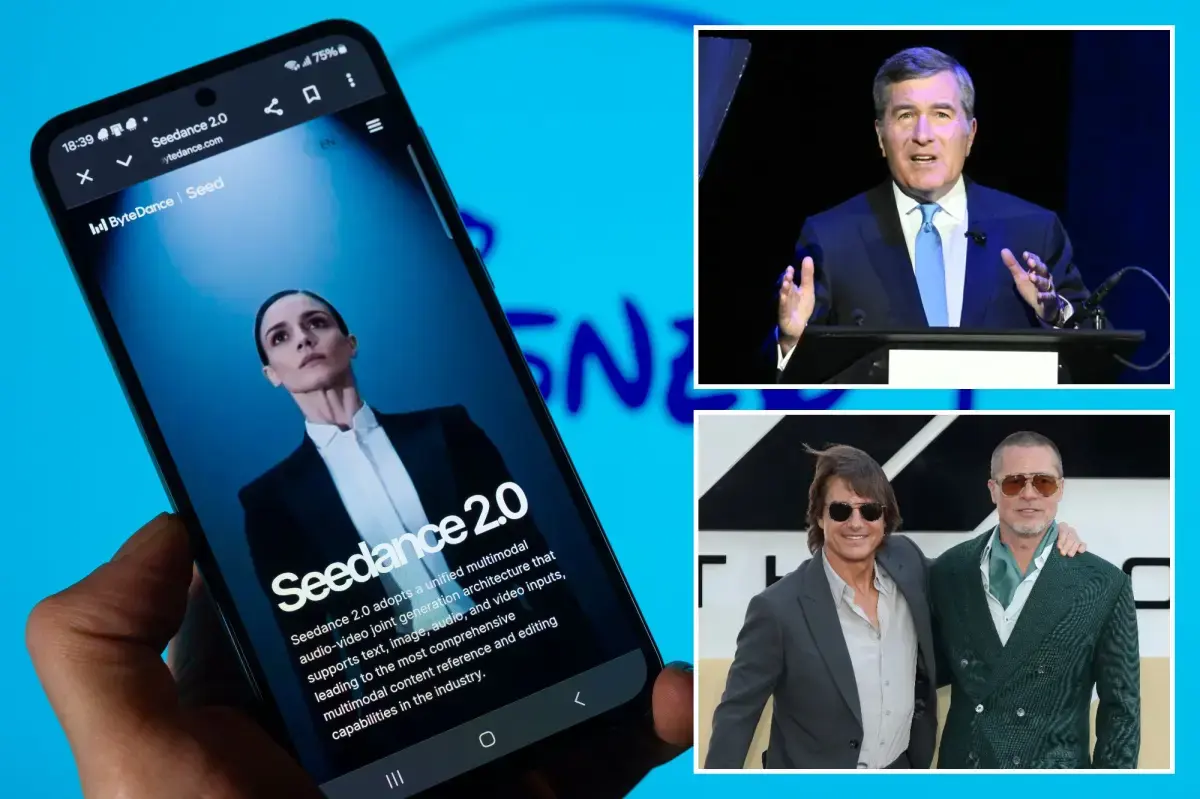
The pact follows a cease-and-desist letter the MPA sent to ByteDance in February, accusing the Seedance AI video tool of "systemic infringement" and copyright infringement concerns
1
3
. The Hollywood trade group, whose members include Disney, Paramount, Warner Bros. Discovery, Netflix, and Sony, did not mince words in calling the tool an engine where copyright violation looked less like a bug than a design feature3
. Individual Hollywood studios had already sent their own warnings before the MPA's collective action. Disney specifically pointed to viral AI-generated content featuring Marvel and Star Wars characters, while a viral video showing actors Tom Cruise fighting Brad Pitt generated widespread alarm about celebrity likenesses being reproduced without authorization4
5
. Japan even opened a separate inquiry into anime look-alikes generated by the tools3
.
Source: New York Post
New IP Protections in Latest Model Versions
ByteDance said newer versions of its models, including Seedream 5.0 Pro and Seedance 2.5 released last month, already carry stronger intellectual property protections
2
4
. The MPA acknowledged these releases reflect ByteDance's "continued advances in IP protections"2
. ByteDance reportedly suspended Seedance 2.0's global rollout shortly after receiving the February letter2
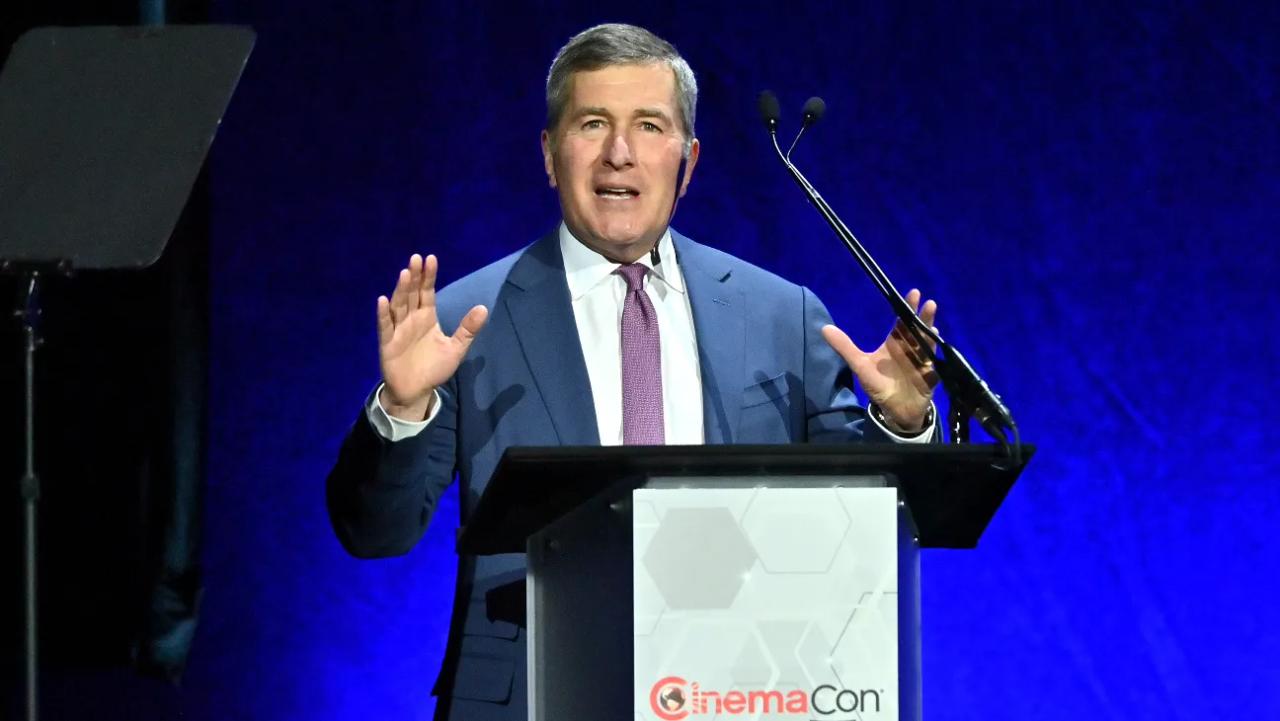
. MPA Chairman and CEO Charles Rivkin stated the association has had "constructive engagement" with ByteDance over recent months to implement "meaningful guardrails" on the AI models2
4
. ByteDance General Counsel John Rogovin emphasized that "responsible innovation in AI goes hand in hand with meaningful protections for rightsholders"4
.
Source: THR
Training Data Question Remains Unresolved
While the memorandum of understanding addresses output filters that prevent AI-generated content featuring copyrighted characters, the thornier question of training data remains largely unaddressed
3
. The MPA's original complaint had two prongs: one about outputs generating recognizable copyrighted characters and celebrity likenesses on demand, and another about inputs—whether ByteDance trained the models on studio content without permission in the first place3
. This week's pact reads as an answer to the first grievance far more than the second. Bolting on guardrails so a model declines to draw copyrighted characters is a solvable engineering problem, but it does nothing to resolve whether film libraries were scraped to teach the model what those characters look like to begin with3
. The training data question is tearing through every corner of the AI copyright wars, from studios forcing image generators to reveal what they learned from to a rash of publisher lawsuits3
.Related Stories
Hollywood's Strategic Shift from Litigation to Negotiation
The agreement represents a notable strategic win for an industry that has spent two years largely on the back foot against rapid AI development
3
. Hollywood has watched OpenAI Sora pull its app amid legal and reputational heat, seen the Oscars ban AI actors and AI-written scripts, and generally struggled to impose terms on technology moving faster than the courts3
. Extracting written commitments from ByteDance, a Chinese company with an audience the studios covet and fear in roughly equal measure, is leverage they will want to bank3
. Rather than try to litigate ByteDance into submission—an uncertain prospect against a company headquartered beyond easy reach of US courts—Hollywood has chosen to negotiate guardrails it can point to today3
. The MPA called the agreement "an important step forward in establishing that IP can and should be protected in the generative AI space"4
.Implications for the AI Industry and Future Enforcement
ByteDance becomes one of the first major AI video developers to strike a formal understanding with Hollywood rather than meet it in court, creating a template the MPA will likely wave at every rival generator next
3
. Hollywood studios are currently in court for a lawsuit against Midjourney, also accusing it of copyright infringement2
. However, considerable caveats exist. The specifics of the guardrails are undisclosed, making them impossible to assess from outside and easy to loosen quietly3
. Enforcement across TikTok, CapCut, and Dreamina at the scale those apps operate is a formidable undertaking3
. Critically, this voluntary pact is not a licensing deal, so studios are not obviously being paid for whatever their catalogues may already have taught these models3
. Both sides pledged to continue collaborating on safeguards as AI technology evolves3
5
. Whether this hardens into the licensing regime studios ultimately want, or merely buys quiet until the next model drops, remains the open question as Seedance will keep improving.References
Summarized by

Navi
[3]
Related Stories
ByteDance's Seedance 2.0 AI video generator triggers copyright infringement battle with Hollywood
14 Feb 2026•Policy and Regulation
ByteDance launches Seedance 2.0 AI video generation in CapCut with new IP safeguards
26 Mar 2026•Technology
ByteDance pauses Seedance 2.0 global launch after Hollywood studios pressure over copyright issues
14 Mar 2026•Technology

Recent Highlights



Recent Highlights
Today's Top Stories








Don’t drown in AI news. We cut through the noise - filtering, ranking and summarizing the most important AI news, breakthroughs and research daily. Follow topics that matter to you and stay ahead.


