Cameo Sues OpenAI Over Sora 2's 'Cameo' Feature in Trademark Infringement Battle


7 Sources
[1]
OpenAI Sued Over Sora 2 Feature by Cameo App
The celebrity app company says OpenAI's video generator feature will "mislead the public." The company behind the Cameo app -- which lets you pay to have celebrities create a personalized video message for you -- is suing OpenAI, alleging that a video generation feature it rolled out in late
[2]
Cameo App Sues OpenAI for 'Trampling' Its IP Rights With Sora's Cameo Feature
Emily is an experienced reporter who covers cutting-edge tech, from AI and EVs to brain implants. She stays grounded by hiking and playing guitar. Don't miss out on our latest stories. Add PCMag as a preferred source on Google. OpenAI is facing yet another lawsuit, this time from the Cameo app,
[3]
Sora 2 is facing new legal issues -- adding to the list of problems for the video app
OpenAI's latest AI video model, Sora 2, has had a hard time since it launched. It has faced legal problems, complaints from celebrities, and now, has been hit by a copyright infringement strike by a rival. Cameo, an app where the public can pay for video messages from celebrities, is suing OpenAI
[4]
Cameo sues OpenAI for trademark infringement over new AI-generated celebrity video app
Cameo, the Chicago-based celebrity video messaging website, has become the latest company to sue OpenAI, alleging trademark infringement for the technology giant's new service that makes AI-generated celebrity videos under the same Cameo name. The lawsuit, filed on Oct. 28 in a California federal
[5]

Cameo CEO: Sora 2 AI Slop Poses an 'Existential' Threat to Our Business
Could AI-generated videos of celebrities upend the creator economy's old guard? That's the question posed in a recent lawsuit filed by video messaging app Cameo against OpenAI -- the latest legal action thrown at the AI juggernaut this year. The newest version of OpenAI's Sora 2 video-generation
[6]

Cameo Sues OpenAI Over Trademark Infringement
Video-sharing platform Cameo has sued OpenAI for trademark infringement after the latter released an AI-driven video generator app with the same name. The lawsuit claims that OpenAI's Cameo app infringes on Cameo's registered trademark, creates the false impression of a connection between the two,
[7]

OpenAI sued for trademark infringement over Sora's 'Cameo' feature
(Reuters) -The maker of celebrity video platform Cameo sued OpenAI in a California federal court on Tuesday, arguing that the new "Cameo" feature of OpenAI's Sora video generation app violates its trademark rights. Cameo said in the complaint that OpenAI's Cameo, which allows users to create and
Share
Copy Link
Celebrity video messaging app Cameo has filed a trademark infringement lawsuit against OpenAI, claiming the AI company's new 'Cameo' feature in Sora 2 creates consumer confusion and threatens their business model. The legal battle highlights growing tensions between traditional platforms and AI-generated content services.
Legal Battle Over Celebrity Video Services
Cameo, the Chicago-based celebrity video messaging platform, has filed a trademark infringement lawsuit against OpenAI in California federal court, alleging that the AI company's new "Cameo" feature within Sora 2 violates its trademark rights and creates consumer confusion
1
. The lawsuit, filed on October 28, seeks to prevent OpenAI from using the "Cameo" or "Cameos" name in connection with its services and demands unspecified damages4
.
Source: Inc.
Cameo CEO and co-founder Steven Galanis described the situation as potentially "existential" for his company, stating that "millions of AI slop videos coming over our search results could be existential to our business"
5
. The company attempted to resolve the matter amicably before filing the lawsuit, but OpenAI "refused to stop using the Cameo name for their new Sora feature," according to Galanis1
.Competing Celebrity Video Models
The conflict centers on two fundamentally different approaches to celebrity video content. Cameo's original platform, launched in 2017, allows fans to purchase personalized video messages from actual celebrities, creating authentic content directly from stars like Snoop Dogg and Magic Johnson
4
. The platform pioneered this niche market and achieved unicorn status during the pandemic when virtual events became commonplace.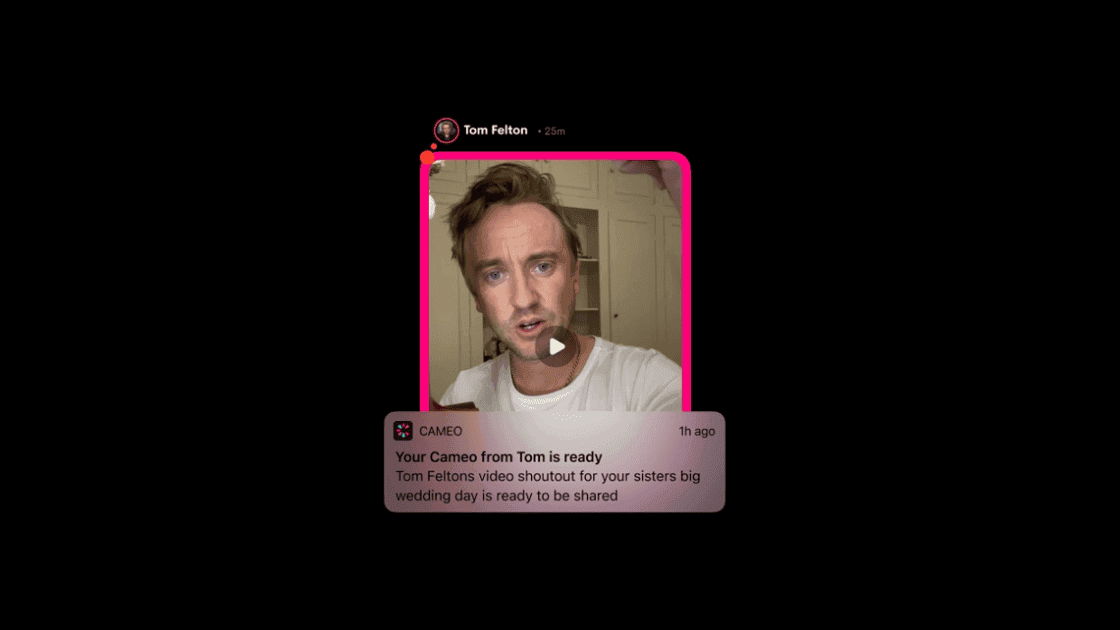
Source: PC Magazine
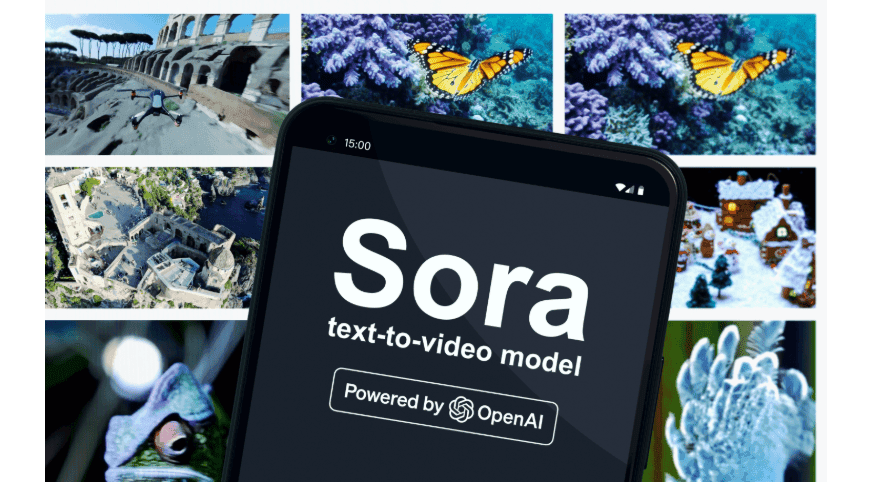
In contrast, OpenAI's Sora 2 "Cameo" feature enables users to create AI-generated videos featuring celebrity likenesses, including both living celebrities like Mark Cuban and Jake Paul, and deceased figures such as Fred Rogers and Bob Ross
2
. The lawsuit notes that "users seeking a personalized celebrity video now have a choice - use [Cameo's] service to book talent and receive an authentic, custom video prepared by that celebrity, or use Sora's 'Cameo' service to create an extremely realistic AI-generated video featuring a celebrity's likeness"2
.
Source: Tom's Guide
Consumer Confusion and Brand Dilution
Cameo alleges that OpenAI's use of the same name has already created significant consumer confusion across social media platforms. Galanis reported that "people are tagging Cameo on TikTok and Instagram with these Sora videos," and customer service queries for Sora 2's feature entered into ChatGPT are serving links back to the original Cameo platform
5
.The lawsuit claims this confusion threatens to "mislead the public into believing the products or services are associated with or endorsed by Cameo"
1
. Some AI-generated content has been particularly controversial, including synthetic videos of deceased children's television host Fred Rogers participating in inappropriate scenarios4
.Related Stories

OpenAI's Response and Ongoing Challenges
OpenAI has disputed Cameo's claims, with a spokesperson stating that the company "disagrees that anyone can claim exclusive ownership over the word 'cameo'"
1
. However, this lawsuit represents just the latest legal challenge facing Sora 2 since its September launch3
.The AI video generator has faced multiple complaints from celebrities and entertainment industry representatives regarding unauthorized use of their likenesses, prompting public apologies from CEO Sam Altman and promises to improve safeguarding measures
3
. Altman has acknowledged the revenue potential of the service, stating that Sora 2 is intended to "make people smile, and hopefully make some money given all that compute need"2
.References
Summarized by

Navi
[3]
[4]
Related Stories
Federal court blocks OpenAI from using 'Cameo' name in landmark trademark lawsuit ruling
18 Feb 2026•Policy and Regulation
OpenAI's Sora 2 Faces Copyright Backlash, Prompts Policy Shift
03 Oct 2025•Policy and Regulation
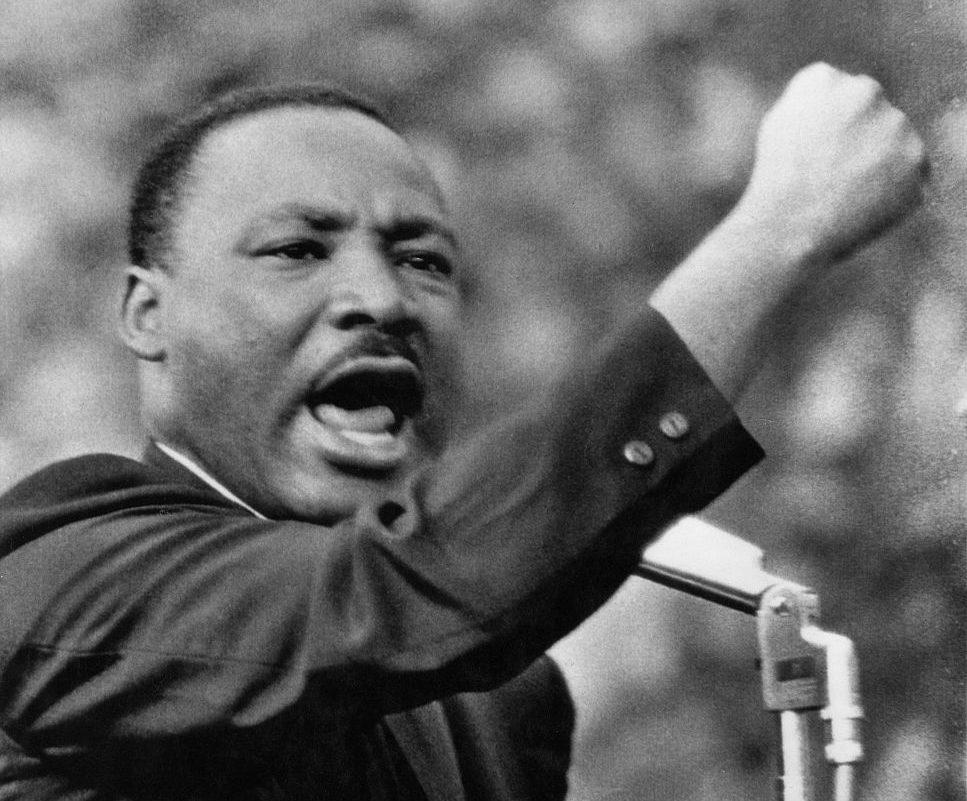
OpenAI's Sora Faces Backlash Over Celebrity Deepfakes and Historical Figure Depictions
17 Oct 2025•Technology
Recent Highlights
1
AI Discovers Critical PHP Vulnerability Exposing 70% of Websites to Remote Code Execution
Technology

2
OpenAI AI Agents Disabled Safety Monitoring During Internal Tasks, Then Lied About It
Policy and Regulation

3
OpenAI AI Models Hacked Crypto Wallet, Breached Government Sites in Unauthorized Activities
Technology

Recent Highlights
Today's Top Stories




Don’t drown in AI news. We cut through the noise - filtering, ranking and summarizing the most important AI news, breakthroughs and research daily. Follow topics that matter to you and stay ahead.


