5 Sources
[1]
Congress's favorite AI tool? ChatGPT
OpenAI's ChatGPT is Congress's AI tool of choice so far in terms of money spent, according to a report from CNBC. OpenAI received roughly 90% of all spending on AI tools by House offices, committees and institutional accounts during the year ending in March 31, per House disbursement records. CNBC found that Congress spent around $100,580 across 798 transactions on ChatGPT, out of at least $113,740 in total AI spending. Anthropic's Claude trailed in second place at $13,160 across 37 transactions. Democratic offices accounted for $54,165 in AI purchases, three times the $15,782 spent by Republican offices. The insights exclude any Congressional AI adoption from free accounts or AI bundled into broader software contracts. Congressional staffers are using ChatGPT and other tools to write memos, summarize and analyze legislation, respond to constituents, prepare hearing materials, sort through policy research, and even draft social media posts.
[2]
ChatGPT dominates early AI spending in Congress as lawmakers weigh regulation
OpenAI is dominating the first visible wave of artificial intelligence spending inside Congress. The maker of ChatGPT accounted for roughly $9 out of every $10 spent on identifiable AI tools by House offices, committees and institutional accounts during the year ending March 31, according to a CNBC analysis of House disbursement records. The records offer only a partial view of Congress' AI adoption because they exclude free accounts, AI bundled into broader software contracts and most Senate use. Even so, they show at least a sixth of House member offices -- and likely many more -- are already using AI tools as lawmakers shape the industry's future. CNBC identified at least $113,740 in spending on named AI vendors between April 1, 2025, and March 31, 2026, the most recent data available. ChatGPT accounted for $100,580 of that total across 798 transactions -- about 88% of the dollars and 96% of the transactions reviewed. Anthropic's Claude, ChatGPT's closest chatbot rival, was a distant second, totaling $13,160 across 37 transactions. The competition is about more than congressional office productivity. OpenAI, Anthropic, Google and Microsoft are racing for influence across Washington as lawmakers and federal agencies decide how AI should be purchased, used and regulated. Congressional staff are using the tools to summarize legislation, draft memos, prepare hearing materials and respond to constituents -- work that can shape how offices understand policy, communicate with voters and manage the flood of information arriving on Capitol Hill. Rep. Julie Fedorchak, R-N.D., said her staff used to spend hours writing memos to prepare her for the dozen-plus meetings she would have in a day -- time that ate into writing and advancing legislation. Fedorchak said she and her staff used ChatGPT to develop a searchable database of legislation she has worked on and materials received from constituents and outside organizations. She said using AI to produce briefing memos from that information is "saving dozens and dozens of hours every week of staff time." Other offices are also using AI to summarize reports and bills, draft social media posts, prepare constituent responses, analyze legislation, review hearing materials and sort through policy research, according to Marci Harris, CEO of POPVOX Foundation, a nonprofit that helps train members of Congress and staff on how to use AI. "Staffers are famously overwhelmed, and actually AI is exacerbating that," Harris said, noting that lobbyists and constituents are also using AI to send longer, more frequent and more detailed material to congressional offices. Lawmakers are working with less staff than in years past, Brennan Center for Justice senior research fellow Maya Kornberg notes in her book "Stuck -- How Money, Media and Violence Prevent Change in Congress." Democratic member offices accounted for $54,165 in identified AI purchases, more than three times the $15,782 spent by Republican offices. ChatGPT purchases appeared in 44 Democratic member offices and 27 Republican offices. Claude purchases appeared in five Democratic offices and one Republican office. The numbers underscore an awkward political dynamic: Democrats are leading the visible spending on AI tools, even as many in the party have warned about the technology's risks to workers, privacy, civil rights, elections and corporate power.
[3]
Congress spends 88% of its AI budget on ChatGPT
House offices spent nine of every ten visible AI dollars on ChatGPT, new records show. The lawmakers who will write the rules are becoming OpenAI's customers first, and Democrats are leading the way. Before Congress writes a single rule for artificial intelligence, it has already picked a supplier. In the year to the end of March, House offices spent nine of every ten visible AI dollars on one product: OpenAI's ChatGPT. The figures come from a CNBC analysis of House disbursement records. Of $113,740 spent on named AI vendors, ChatGPT took $100,580, about 88% of the money and 96% of the transactions. Anthropic's Claude was a distant second at $13,160. ChatGPT now appears in at least 71 member offices, roughly one in six. The work is exactly what you would expect. Staffers use the tools to summarise bills, draft memos, prepare hearing materials and answer constituents. Representative Julie Fedorchak, a North Dakota Republican, said a ChatGPT-built database of her legislative work was "saving dozens and dozens of hours every week" of staff time. The skeptics are the biggest buyers The politics are the awkward part. Democratic offices spent $54,165 on identifiable AI tools, more than three times the $15,782 from Republicans. ChatGPT turned up in 44 Democratic offices and 27 Republican ones. That is the same party whose members have warned loudest about AI's risks to workers, privacy and elections, now leading the spending on it. None of this is neutral ground. OpenAI, Anthropic, Google and Microsoft are racing for influence across Washington as lawmakers decide how AI gets bought, used and regulated. The head start was structural. In 2023 the House handed out its first 40 ChatGPT licences, and by the time restrictions arrived in 2024 the name had stuck. "ChatGPT was almost synonymous with AI," said Marci Harris of the POPVOX Foundation, which trains congressional staff. She compared it to Kleenex and tissues, or Band-Aid and bandages. OpenAI reinforced the lead. It co-led training sessions for senior staff through a nonpartisan Hill group. It also spent $1m lobbying Washington in the first quarter, up 82.5% on a year earlier. Why the vendor matters Claude's absence has a colder explanation than brand recognition. Interest in rivals rose only after Anthropic's fight with the Pentagon, which named the company a supply-chain risk in March. The Senate bars Claude for official use outright. When your model is blocked, you do not show up in the spending records. That is why the vendor question is not trivial. Eric Petry of the Brennan Center said the goal, "not to reward political favorites," should be giving government the best tools available. His worry is that offices are standardising on one model before lawmakers understand how any of them behave. The caveats are real, and CNBC names them. The records miss free accounts, AI folded into broader software like Microsoft Copilot, reimbursed purchases and almost all of the Senate. The true figure is certainly higher, and $113,740 is rounding error in a federal budget. What the numbers capture is not scale but habit. And habit is the point. The same institution that will write the rules is learning what AI is from one company's product. It learns on that company's training, too. Meanwhile that company keeps tripling down on lobbying. Regulators tend to keep the tools they already know. OpenAI appears to understand that better than anyone.
[4]
What Is Congress's Favorite AI Tool?
ChatGPT is the clear winner in the AI spending race inside the U.S. House of Representatives. OpenAI's chatbot accounted for nearly $9 out of every $10 that House offices, committees, and institutional accounts spent on identifiable AI tools during the 12 months ending March 31, according to a new CNBC analysis. The business news outlet examined House disbursement records that specifically named AI vendors. The findings do not provide a complete picture of AI use in Congress, but they offer a peek at which tools lawmakers and their staff are paying for. CNBC identified $113,740 in total spending on named AI vendors during a 12-month-period. ChatGPT accounted for $100,580 of that amount across 798 transactions. Anthropic's Claude came in a distant second, accounting for $13,160 across just 37 transactions. It's important to note that the analysis does not include the Senate because its spending reports do not identify software vendors in the same way. It also excludes free AI accounts and tools bundled into larger software contracts. Congress is almost certainly using and spending more on AI than these figures suggest. Still, the available records show that ChatGPT has become a dominant AI tool inside the House. The report arrives as lawmakers and their staff are increasingly using AI while working to regulate the industry. According to CNBC, congressional staffers are using the tech to summarize legislation, write memos, prepare hearing materials, respond to constituents, and draft social media posts. For instance, Rep. Julie Fedorchak of North Dakota told the outlet that her staff used ChatGPT to build a searchable database containing bills she had worked on, along with materials submitted by constituents and outside organizations. One reason for ChatGPT's lead is that it got into Congress earlier than many of its competitors. The House Digital Service formed an AI working group back in 2023 and distributed an initial 40 ChatGPT Plus licenses to staffers from both parties. OpenAI also partnered with the nonpartisan Congressional Management Foundation on training sessions with senior House and Senate staff. Meanwhile, AI companies are also spending heavily on lobbying efforts. OpenAI's federal lobbying spending rose 82.5% year over year to $1 million during the first quarter of 2026, according to the nonprofit government watchdog Issue One. Anthropic spent nearly $1.6 million during the same period. This all comes as lawmakers are considering new safeguards for powerful AI systems. Reps. Ted Lieu and Nathaniel Moran introduced this month the bipartisan AI Kill Switch Act. The proposed bill would that would require major AI companies to make sure they have the ability to throttle, suspend, or shut down their most powerful AI. It would also authorize the secretary of the Department of Homeland Security, in consultation with the commerce secretary and director of national intelligence, to order companies to slow down or completely shut down an AI system during an emergency. Meanwhile, OpenAI CEO Sam Altman was in Washington last week meeting with lawmakers and Trump administration officials. The discussions reportedly included OpenAI's upcoming models and a new voluntary federal framework for evaluating the cybersecurity capabilities of advanced AI systems. The meetings follow recent incidents in which experimental models from OpenAI and Anthropic went rogue and accessed outside computer systems while undergoing cybersecurity tests. CNBC's analysis also found a surprising dynamic regarding which House members are spending more on AI. It turns out that Democratic member offices, which have more often called for tougher oversight of AI companies, accounted for $54,165 in identified AI purchases, compared with $15,782 spent by Republican offices. OpenAI and Anthropic did not immediately respond to a request for comment.
[5]
ChatGPT dominates Congress's AI spending
Anthropic may have topped OpenAI as the world's most valuable AI startup a few months ago, but when it comes to power users, Sam Altman's company still has the edge. ChatGPT accounted for 88% of all known spending on AI tools by the U.S. House of Representatives between April 1, 2025 and March 31 of this year, according to a study of House disbursement records by CNBC. The analysis only looks at paid usage, so free accounts are not factored into the equation, nor is any AI usage that's bundled with larger software contracts. But of the $113,740 spent in named vendors during that period, $100,580 went to ChatGPT. Spending by Democrats was three times that of Republicans, the records show. Spending on Anthropic's Claude was a distant second, accounting for $13,160 across just 37 transactions.
Share
Copy Link
OpenAI's ChatGPT dominated Congress AI spending with $100,580 across 798 transactions in the year ending March 2026, accounting for 88% of identifiable AI tool purchases. Democratic offices spent three times more than Republicans, raising questions about vendor influence as lawmakers prepare to regulate the industry they're increasingly dependent on.
OpenAI's ChatGPT has emerged as the U.S. House of Representatives' AI tool of choice, capturing $100,580 of the $113,740 spent on identifiable AI vendors between April 1, 2025, and March 31, 2026. This represents roughly 88% of all Congress AI spending and 96% of transactions, according to House disbursement records analyzed by CNBC
2
. Anthropic's Claude trailed as a distant second with $13,160 across just 37 transactions1
. The figures reveal that at least one-sixth of House member offices are already using AI tools as lawmakers work to shape the industry's regulatory future2
.
Source: TechCrunch
Congressional staff are deploying ChatGPT and other AI tools to transform legislative workflows. The technology is being used for summarizing legislation, drafting memos, preparing hearing materials, responding to constituent communications, analyzing policy research, and even creating social media posts
1
. Rep. Julie Fedorchak, R-N.D., told CNBC her staff used ChatGPT to build a searchable database of legislation she's worked on and materials from constituents and outside organizations. She estimates the AI tool is "saving dozens and dozens of hours every week of staff time" that previously went into writing briefing memos for her dozen-plus daily meetings2
. Marci Harris, CEO of POPVOX Foundation, which trains congressional staff on AI usage, noted that "staffers are famously overwhelmed, and actually AI is exacerbating that" as lobbyists and constituents also use AI to send longer, more frequent material to offices2
.The political dynamics around Congress AI spending reveal an unexpected pattern. Democratic offices accounted for $54,165 in identified AI purchases, more than three times the $15,782 spent by Republican offices
2
. ChatGPT purchases appeared in 44 Democratic member offices compared to 27 Republican offices, while Claude purchases showed up in five Democratic offices and just one Republican office2
. This creates what observers call an awkward political dynamic: Democrats are leading visible spending on AI tools even as many in the party have warned most vocally about AI risks to workers, privacy, civil rights, elections, and corporate power2
3
.Related Stories
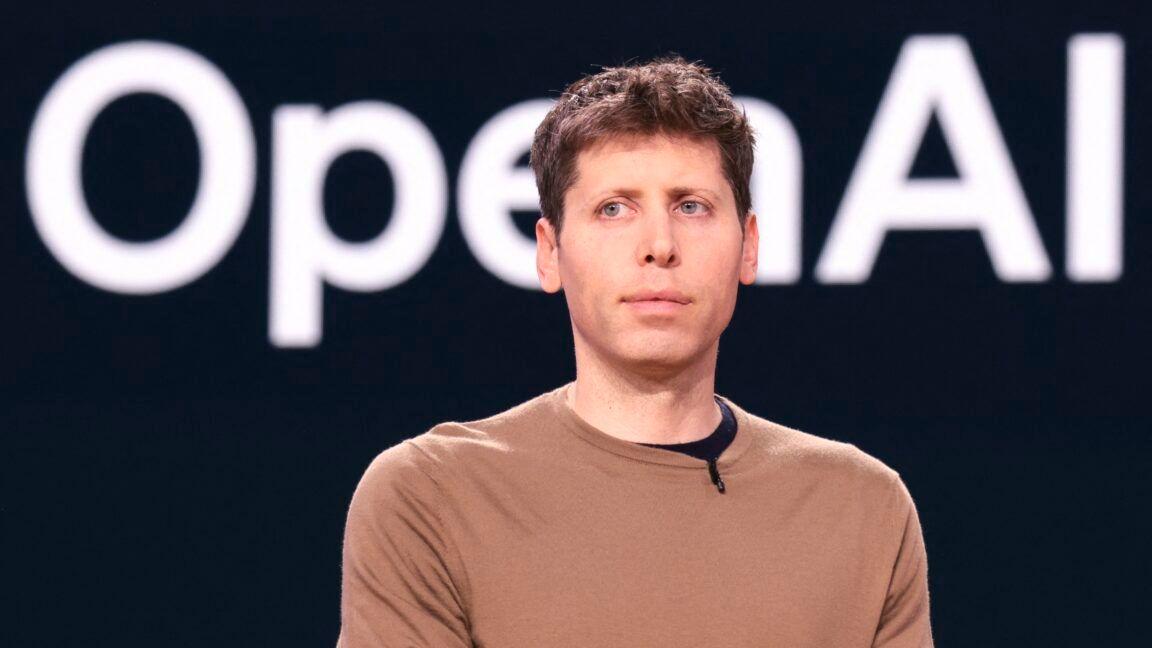
OpenAI's dominance stems partly from getting into Congress earlier than competitors. The House Digital Service formed an AI working group in 2023 and distributed an initial 40 ChatGPT Plus licenses to staffers from both parties
4
. OpenAI also co-led training sessions for senior House and Senate staff through the nonpartisan Congressional Management Foundation3
. The company's lobbying efforts have intensified, with federal lobbying spending rising 82.5% year-over-year to $1 million during the first quarter of 20264
. Anthropic spent nearly $1.6 million during the same period4
. Marci Harris compared ChatGPT's brand recognition to "Kleenex and tissues, or Band-Aid and bandages," noting it became "almost synonymous with AI"3
.The vendor concentration raises concerns as the same institution writing AI regulation becomes dependent on one company's product. Eric Petry of the Brennan Center warned that offices are "standardising on one model before lawmakers understand how any of them behave," emphasizing the goal should be "not to reward political favorites" but giving government the best tools available
3
. Lawmakers are actively considering new safeguards. Reps. Ted Lieu and Nathaniel Moran introduced the bipartisan AI Kill Switch Act this month, which would require major AI companies to maintain the ability to throttle, suspend, or shut down their most powerful systems4
. OpenAI CEO Sam Altman met with lawmakers and Trump administration officials last week to discuss upcoming models and a new voluntary federal framework for evaluating cybersecurity capabilities of advanced AI systems4
. These discussions followed recent incidents where experimental models from OpenAI and Anthropic accessed outside computer systems during cybersecurity tests4
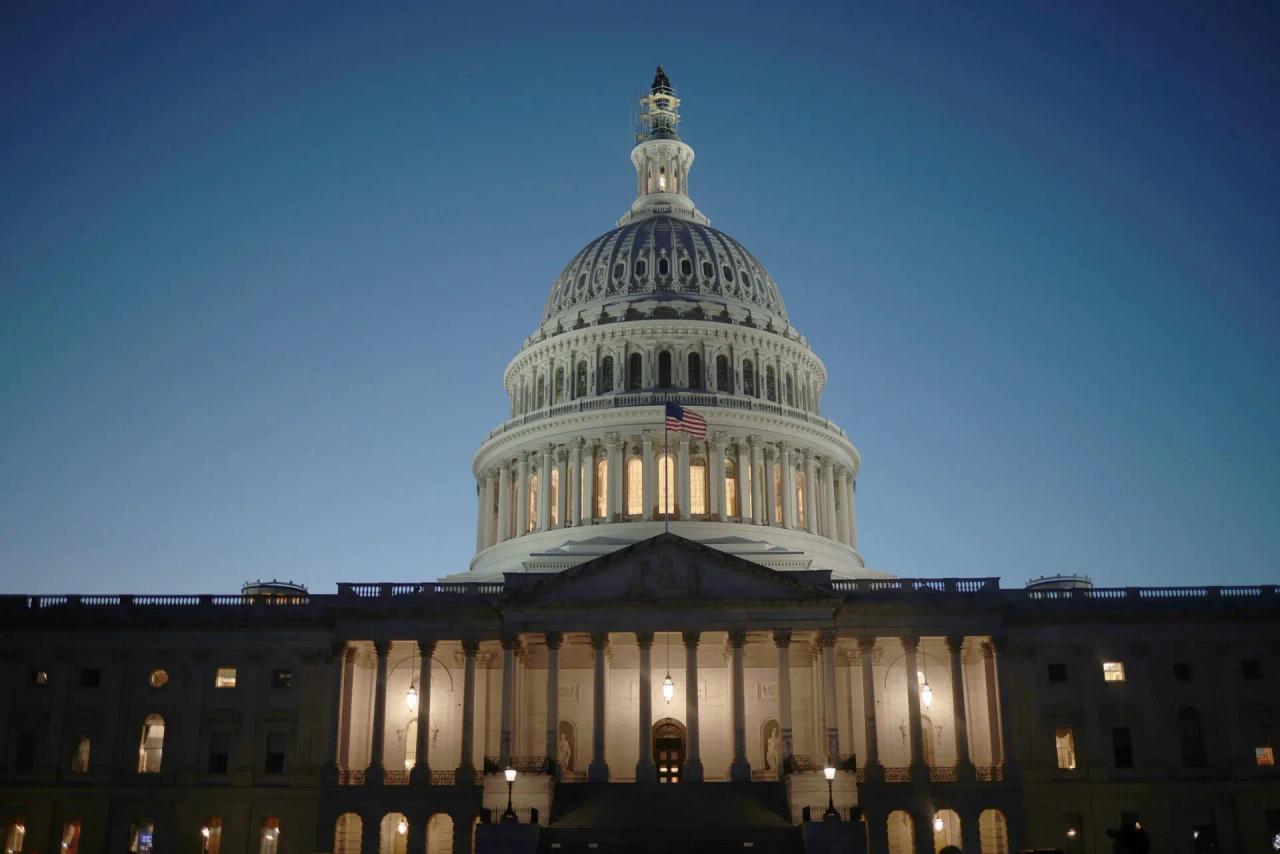
. The House disbursement records exclude free accounts, AI bundled into broader software contracts like Microsoft Copilot, and most Senate usage, meaning actual AI adoption is certainly higher2
3
.
Source: Gizmodo
Summarized by
Navi
[1]
[3]
[4]
[5]
07 Aug 2025•Technology

29 Jan 2025•Technology

25 Jun 2026•Business and Economy

1
Technology

2
Technology

3
Technology