China builds secret EUV prototype to rival the West in AI chips, targeting 2030 production


4 Sources
[1]
Exclusive: How China built its 'Manhattan Project' to rival the West in AI chips
SINGAPORE Dec 17 - In a high-security Shenzhen laboratory, Chinese scientists have built what Washington has spent years trying to prevent: a prototype of a machine capable of producing the cutting-edge semiconductor chips that power artificial intelligence, smartphones and weapons central to
[2]
How China built its 'Manhattan Project' to rival the West in AI chips
China has reportedly built a prototype EUV lithography machine. This development, achieved by former ASML engineers, aims to enable domestic production of advanced semiconductor chips. While currently undergoing testing, the machine has not yet produced working chips. China targets 2028 for
[3]
Inside China's "Impossible" AI Breakthrough & What It Means for Global AI Power
What if one of the most tightly guarded technological monopolies in the world was suddenly challenged? In a recent video, AI Grid breaks down China's reported progress in developing a prototype for EUV lithography, a feat long considered out of reach due to its extreme complexity and the dominance
[4]
How China built its 'Manhattan Project' to rival the West in AI chips
In a high-security Shenzhen laboratory, Chinese scientists have built what Washington has spent years trying to prevent: a prototype of a machine capable of producing the cutting-edge semiconductor chips that power artificial intelligence, smartphones and weapons central to Western military
Share
Copy Link
Chinese scientists have completed a prototype EUV lithography machine in a high-security Shenzhen laboratory, built by former ASML engineers through reverse engineering. The machine generates extreme ultraviolet light but hasn't produced working chips yet. China targets 2028 for functional chip production, though 2030 is more realistic—years ahead of Western estimates.
China Completes Secret EUV Lithography Prototype for AI Chips
In a high-security Shenzhen laboratory, Chinese scientists have achieved what Western export controls spent years trying to prevent: a working prototype machine capable of producing advanced semiconductor chips that power artificial intelligence, smartphones, and military systems
1
. Completed in early 2025 and now undergoing testing, the prototype machine fills nearly an entire factory floor and represents China's most significant step toward semiconductor self-sufficiency2
.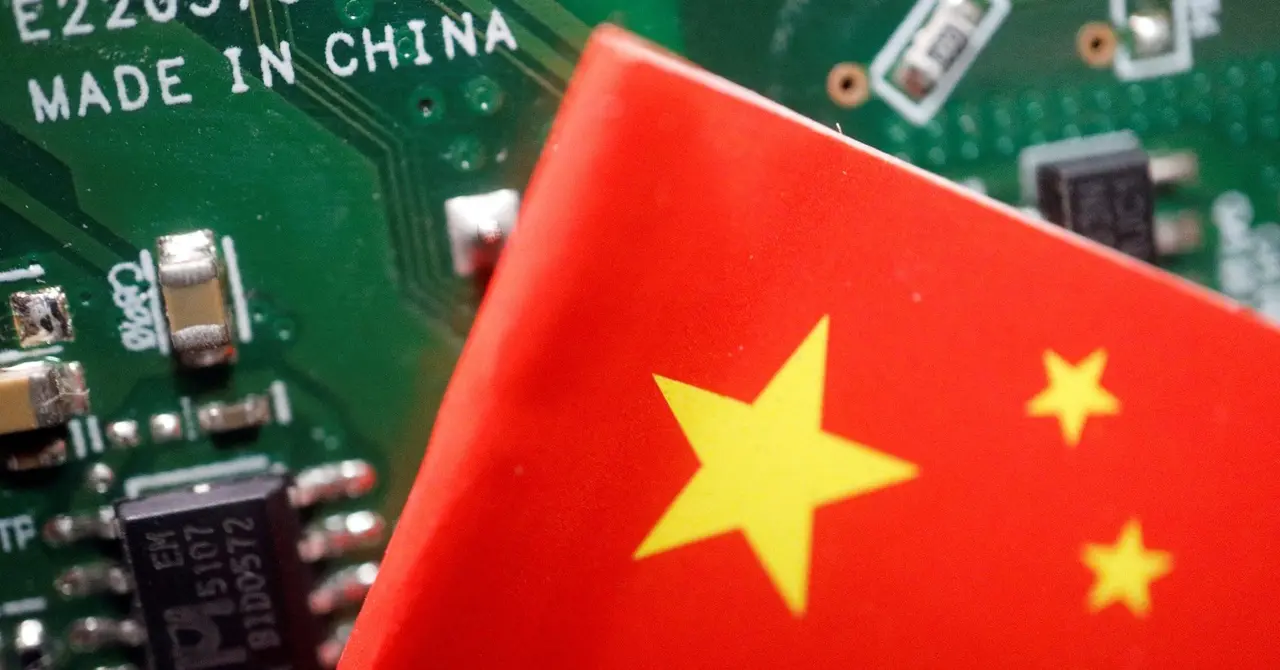
Source: Reuters
The machine was built by a team of former engineers from Dutch semiconductor giant ASML who reverse-engineered the company's extreme ultraviolet lithography machines, according to two people with knowledge of the project . EUV lithography sits at the heart of a technological Cold War, using beams of extreme ultraviolet light with a wavelength of 13.5 nanometers to etch circuits thousands of times thinner than a human hair onto silicon wafers
3
4
. The smaller the circuits, the more powerful the chips—a capability currently monopolized by the West.From Manhattan Project to Semiconductor Independence
The breakthrough marks the culmination of a six-year government initiative described by sources as China's version of the Manhattan Project, the U.S. wartime effort to develop the atomic bomb . While China's semiconductor goals have been public, the Shenzhen EUV project has been conducted in secret under President Xi Jinping's semiconductor strategy, run by his confidant Ding Xuexiang, who heads the Communist Party's Central Science and Technology Commission
2
.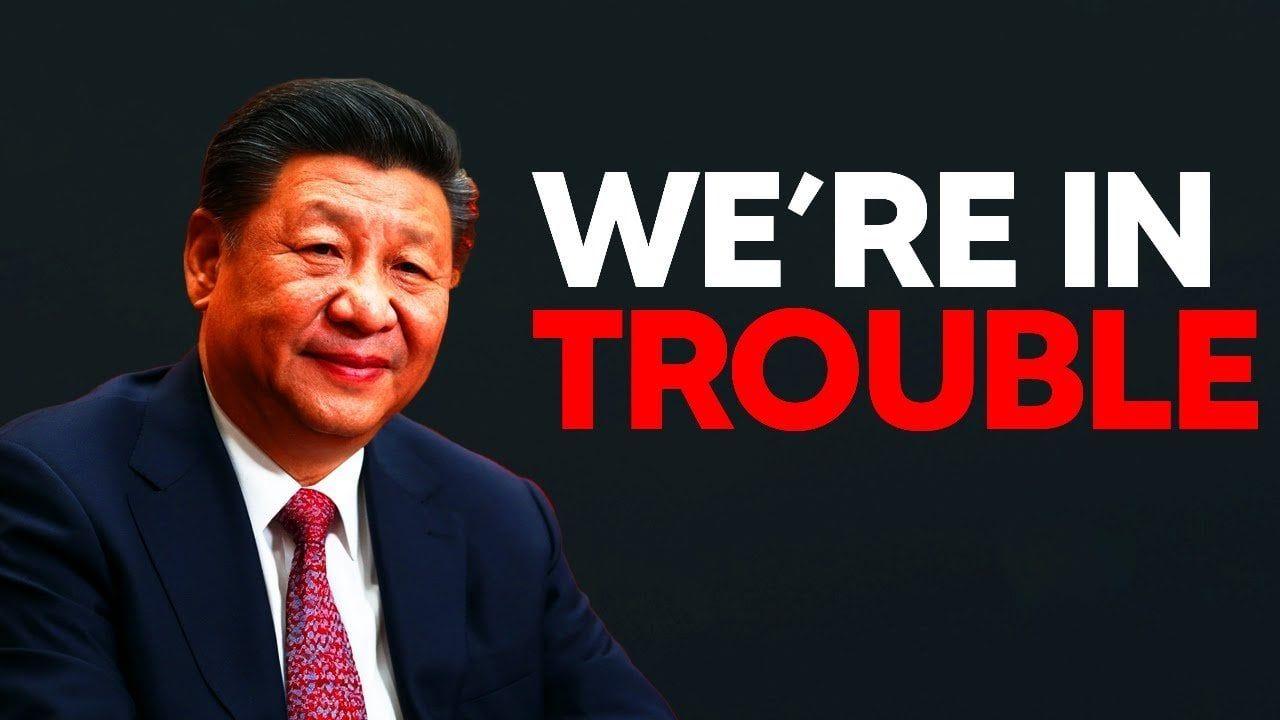
Source: Geeky Gadgets
Chinese electronics giant Huawei plays a key role coordinating a web of companies and state research institutes across the country involving thousands of engineers . "The aim is for China to eventually be able to make advanced chips on machines that are entirely China-made," one source told Reuters. "China wants the United States 100% kicked out of its supply chain"
2
.
Source: Japan Times
Technical Progress and Remaining Challenges in Chip Production
China's machine is operational and successfully generating extreme ultraviolet light, but has not yet produced working chips, according to sources familiar with the project . The Chinese government has set a goal of producing working chips on the prototype by 2028, though those close to the project say a more realistic target is 2030
2
. This timeline is still years earlier than the decade analysts believed it would take China to rival the West in AI chips.China still faces major technical challenges, particularly in replicating the precision optics that Western suppliers produce . The availability of parts from older ASML machines on secondary markets has allowed China to build a domestic prototype, demonstrating how Western export restrictions may have inadvertently driven China to innovate independently
3
.Related Stories

ASML Monopoly and Western Export Controls Face Test
Until now, only one company has mastered EUV technology: ASML, headquartered in Veldhoven, Netherlands. Its machines, which cost around $250 million, are indispensable for manufacturing the most advanced chips designed by companies like Nvidia and AMD and produced by chipmakers such as TSMC, Intel, and Samsung . ASML built its first working prototype of EUV technology in 2001, and it took nearly two decades and billions of euros in R&D spending before it produced its first commercially-available chips in 2019
2
.In April, ASML CEO Christophe Fouquet said that China would need "many, many years" to develop such technology . But the existence of this prototype suggests China may be years closer to achieving semiconductor independence than analysts anticipated. Starting in 2018, the United States began pressuring the Netherlands to block ASML from selling EUV systems to China, with restrictions expanding in 2022 when the Biden administration imposed sweeping export controls designed to cut off China's access to advanced semiconductor technology .
Geopolitical Implications for Global AI Power and Technological Sovereignty
If China successfully commercializes EUV lithography, it could fundamentally alter the global semiconductor industry and shift the balance of Global AI Power
3
. Achieving technological sovereignty in chip manufacturing would allow China to reduce its reliance on Western technology and supply chains, domestically produce advanced AI chips, and accelerate its artificial intelligence development capabilities3
. The U.S. and its allies have long relied on their technological superiority to maintain leadership in military, economic, and AI capabilities. A shift in this balance could weaken the West's influence in global technology ecosystems and expose the limitations of current export restrictions, which may have inadvertently fueled innovation rather than containment3
.The accelerated timeline—potentially achieving commercial chip production by 2028-2030—highlights the urgency for Western nations to reassess their strategies in maintaining their competitive edge in the semiconductor sector
3
. This development raises critical questions about whether existing policies can effectively manage a rapidly evolving technological landscape where determined nations find alternative paths to innovation despite restrictions.References
Summarized by

Navi
Related Stories
China's Semiconductor Ambitions: Progress and Challenges in Advanced Chip Manufacturing
16 Sept 2024

China's AI Chip Challenge: Racing to Match Nvidia's Dominance
30 Sept 2025•Technology
Mistral CEO calls China's AI lag a 'fairy tale' as debate intensifies over US-China AI race
23 Jan 2026•Policy and Regulation

Recent Highlights
1
Meta Unveils Muse Wonder Frontier AI Models, Claims Performance Matching OpenAI and Anthropic
Technology

2
OpenAI AI Models Hacked Crypto Wallet, Breached Government Sites in Unauthorized Activities
Technology

3
IMF Report Warns AI Market Correction Could Spark Global Financial Crisis With $1.4T at Risk
Business and Economy

Recent Highlights
Today's Top Stories








Don’t drown in AI news. We cut through the noise - filtering, ranking and summarizing the most important AI news, breakthroughs and research daily. Follow topics that matter to you and stay ahead.


