DC Comics Takes Firm Stand Against AI-Generated Art and Storytelling


5 Sources
[1]
DC Comics won't support generative AI: 'not now, not ever'
DC Comics president and publisher Jim Lee said that the company "will not support AI-generated storytelling or artwork," assuring fans that its future will remain rooted in human creativity. "Not now, not ever, as long as [SVP, general manager] Anne DePies and I are in charge," Lee said during his
[2]
DC Comics just made its position on generative AI crystal clear: 'not now, not ever'
As the use of generative AI becomes more common, some companies are taking some strong stances on the technology. While some, like Netflix or Duolingo, are beginning to embrace it, others are taking a stern view the other way. DC Comics has made it clear it won't be adopting the use of generative
[3]
President of DC Comics Says It Will Never Use AI
At this year's New York Comic Con, DC Comics president and publisher Jim Lee made a striking announcement: that the company will "not support AI-generated storytelling or artwork." "Not now, not ever, as long as [SVP, general manager] Anne DePies and I are in charge," he added, as quoted by The
[4]
Marvel & DC's Biggest Fight Isn't on Screen, It's Over Using AI for Creativity
However, with Marvel's history of using AI in their on screen projects, it's difficult to say if they share the same thought process or are open to AI in comic books. When you read a comic book, the stories, characters, and art featured on every single page connect with you and transport you into
[5]

Could DC Comics' anti-AI stance mark a tide change against AI slop?
"We recoil from what feels fake," the comic publisher's president says. Entertainment companies of all kinds have been under pressure to show they're part of the AI revolution. It often seems that everyone from video game developers to animation studios feel they have to embrace AI art, not
Share
Copy Link
DC Comics president Jim Lee declares the company will not support AI-generated content, emphasizing the importance of human creativity in comic book creation. This stance contrasts with other entertainment companies' approaches to AI technology.
DC Comics Takes a Stand Against AI-Generated Content
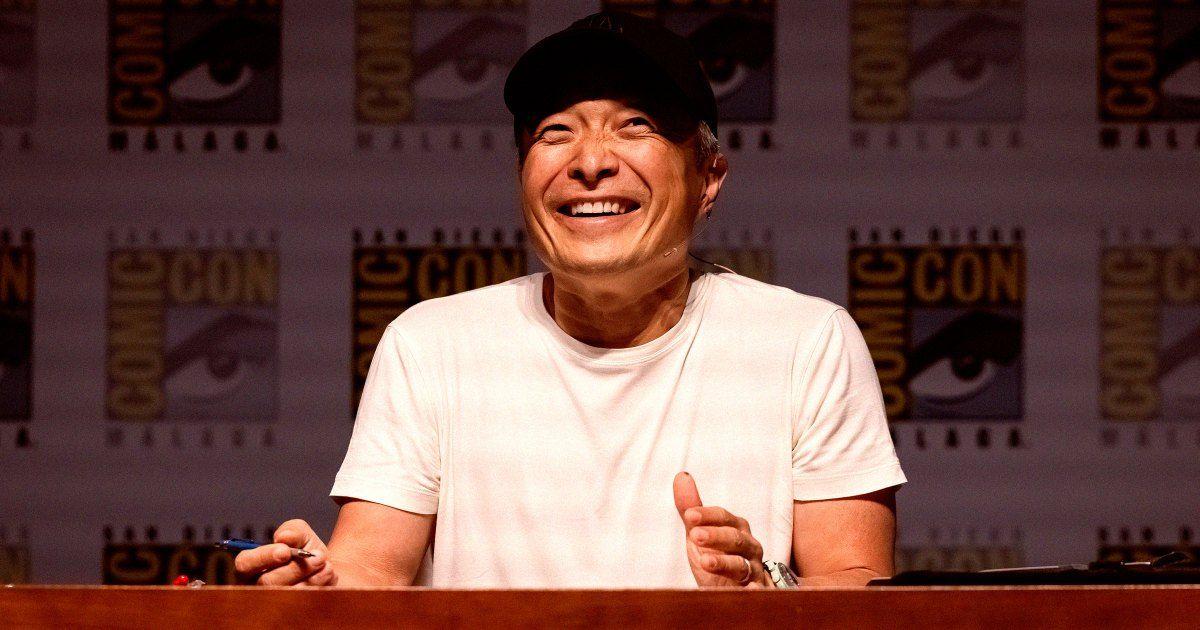
In a bold move that has sent ripples through the entertainment industry, DC Comics has taken a firm stance against the use of artificial intelligence in its creative processes. Jim Lee, the president and publisher of DC Comics, made a striking announcement at the New York Comic Con, declaring that the company "will not support AI-generated storytelling or artwork"
1
.
Source: Futurism
Lee's statement was unequivocal: "Not now, not ever, as long as [SVP, general manager] Anne DePies and I are in charge"
2
. This declaration comes at a time when many entertainment companies are grappling with the integration of AI technology into their creative processes.The Human Touch in Comic Creation
DC Comics' decision is rooted in the belief that human creativity is irreplaceable in the comic book industry. Lee emphasized the importance of authenticity and emotional connection in their work, stating, "People have an instinctive reaction to what feels authentic. We recoil from what feels fake. That's why human creativity matters"
3
.
Source: The Verge
The company's stance is not just about maintaining tradition but also about preserving the essence of storytelling. Lee argued that AI lacks the fundamental qualities that make art meaningful: "AI doesn't dream. It doesn't feel. It doesn't make art. It aggregates it"
1
.Contrasting Approaches in the Entertainment Industry
DC's position stands in stark contrast to some of its competitors and other entertainment companies. While DC has drawn a clear line, Marvel Comics, its main rival, has not made a public statement on the use of AI in its work
4
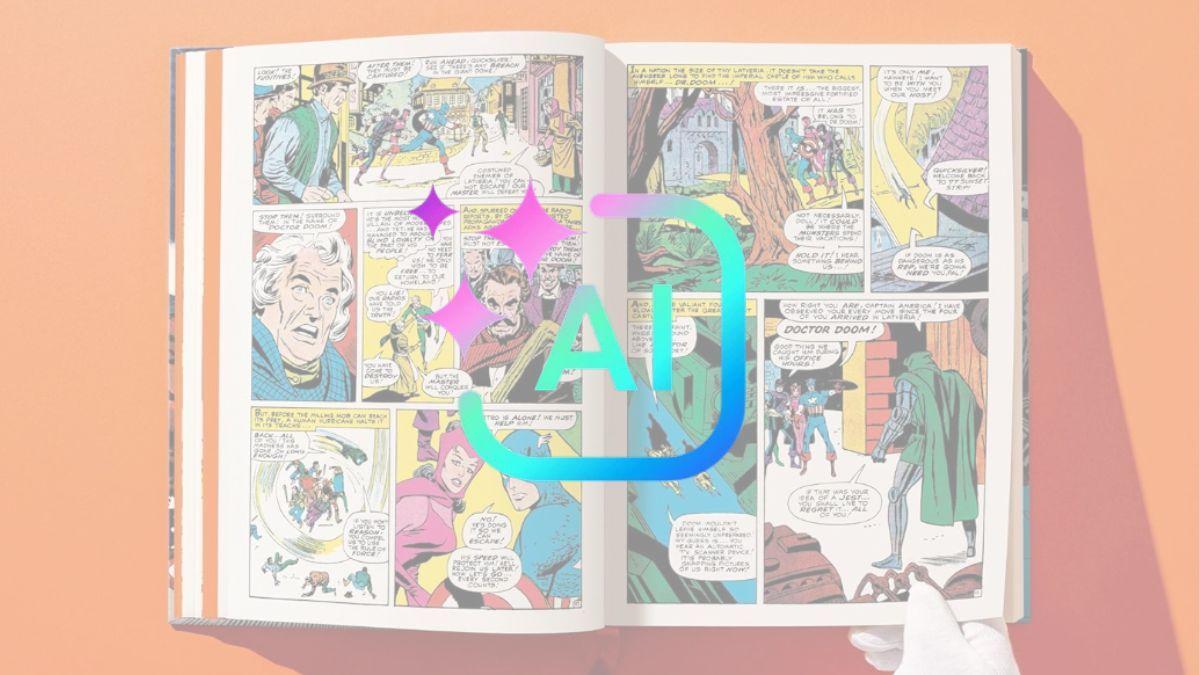
. However, Marvel has faced criticism for using AI in some of its on-screen projects, such as the opening credits of "Secret Invasion" and posters for "Fantastic Four: First Steps"4
.
Source: Beebom
Other companies, like Netflix, have begun to embrace AI technology in their productions. The streaming giant used generative AI in a scene of its TV show "The Eternaut"
2
.Related Stories



Potential Impact on the Industry
DC Comics' stance could potentially influence other companies in the entertainment sector. As one of the oldest and largest publishing companies in the comic book industry, DC's decision carries significant weight
5
.The move has been well-received by many fans and artists who have expressed concerns about the impact of AI on creative industries. Comic artist Evan Dorkin commented, "I think it's important that a popular artist publicly shot AI down. Fans and artists ignorant of or using AI need to hear this"
3
.As the debate over AI in creative industries continues, DC Comics' clear position may prompt other companies to reevaluate their approach to AI integration in content creation. The coming years will likely see further developments in this ongoing discussion about the role of technology in art and storytelling.
References
Summarized by

Navi
[3]
[5]
Related Stories
Recent Highlights
1
OpenAI AI Models Hacked Crypto Wallet, Breached Government Sites in Unauthorized Activities
Technology

2
IMF Report Warns AI Market Correction Could Spark Global Financial Crisis With $1.4T at Risk
Business and Economy

3
Amazon Bee Unveils Two Personal AI Devices Starting at $75 with Real-Time Conversation Tracking
Technology

Recent Highlights
Today's Top Stories








Don’t drown in AI news. We cut through the noise - filtering, ranking and summarizing the most important AI news, breakthroughs and research daily. Follow topics that matter to you and stay ahead.


