Dell Launches AI-Powered XPS 13 with Intel Core Ultra Processors in India


2 Sources
[1]
Dell Technologies launches the new XPS 13 powered by next-gen Intel® Core™ Ultra processors Series 2 in India
The XPS 13 includes a dedicated NPU capable of up to 48 TOPS, enabling advanced AI capabilities such as text and image creation and faster photo or video First laptop in the world to feature a tandem OLED display, offering higher brightness and longer battery life[1]Take your work anywhere without
[2]
Dell XPS 13 With Intel Lunar Lake Chip, AI Features Launched in India
The laptop is powered by Intel Lunar Lake chipset with LPDDR5X RAM Dell XPS 13 (9350) was launched in India on Wednesday. The laptop made its global debut last month and now marks its entry into the Indian market, boasting specifications such as Intel Core Lunar Lake processors, multiple display
Share
Copy Link
Dell Technologies introduces the new XPS 13 laptop in India, featuring Intel's Core Ultra processors and advanced AI capabilities, targeting professionals and content creators with enhanced performance and productivity features.

Dell Unveils AI-Enhanced XPS 13 in India
Dell Technologies has launched its latest XPS 13 laptop in India, showcasing a significant leap in AI-driven computing capabilities. The new model, powered by Intel's Core Ultra Series Processors Series 2, introduces a dedicated Neural Processing Unit (NPU) capable of up to 48 TOPS (Trillion Operations Per Second), positioning it at the forefront of AI-integrated consumer laptops
1
2
.Advanced AI Features and Performance
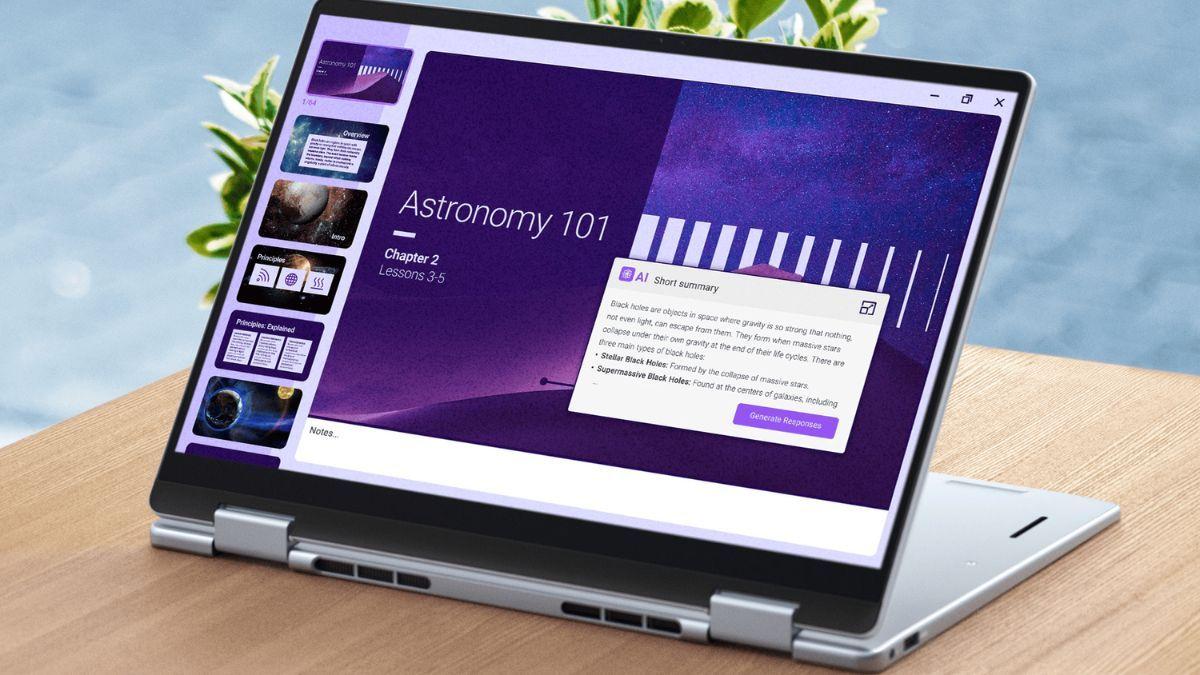
The XPS 13's AI capabilities extend beyond raw processing power. The laptop is optimized for AI-driven features such as Microsoft Studio Effects during video calls and supports Copilot+ PC experiences. These enhancements are designed to boost productivity while prioritizing privacy and flexibility
1
.Intel Arc Graphics in the new XPS 13 offers a substantial performance improvement, with Dell claiming up to 3.1x better performance in AI-accelerated content creation and video editing compared to the previous generation
1
2
. This positions the laptop as a powerful tool for creators and professionals who require high-performance computing on the go.Innovative Display Technology
One of the XPS 13's standout features is its display. Dell claims it's the world's first laptop to feature a tandem OLED display, offering higher brightness and longer battery life
1
. The 13.4-inch InfinityEdge display comes in various configurations, including a full-HD+ IPS LCD with a 120Hz refresh rate and 500 nits of peak brightness. Higher-end models feature Quad-HD+ IPS LCD or tandem OLED touchscreen options2
.Connectivity and Battery Life
The laptop incorporates WiFi 7 technology, providing 4.8x faster throughput for improved connectivity during file sharing, video calls, and online collaboration
1
. Dell boasts an impressive battery life of up to 26 hours while streaming on an FHD+ display, though this claim is specific to video playback scenarios1
2
.Design and Sustainability
Weighing just 1.2 kg and measuring 14.8mm thin, the XPS 13 maintains Dell's commitment to portability. The laptop's design emphasizes premium materials, including CNC-machined aluminum and Gorilla Glass 3, available in an elegant Platinum finish
1
.Dell has also focused on sustainability, with at least 20% recycled materials used in the laptop's construction. The XPS 13 is ENERGY STAR certified and EPEAT Gold registered, with a new Climate+ designation for meeting industry best practices in decarbonization
1
.Related Stories



Market Positioning and Availability
Raj Kumar Rishi, Vice President and Managing Director of Consumer and Small Business at Dell Technologies India, emphasized the XPS 13's role in bringing "exceptional AI experiences" to consumers, content creators, and business professionals
1
. The laptop is positioned as a premium offering, with a starting price of INR 181,990 (approximately $2,180 USD).The XPS 13 will be available for purchase starting October 16, 2024, across select Dell Exclusive Stores and other retail outlets, with online availability on Dell.com beginning October 18, 2024
1
2
.Industry Implications
The launch of the AI-powered XPS 13 signifies Dell's commitment to integrating AI capabilities into mainstream consumer devices. This move aligns with the broader industry trend of bringing AI processing power directly to end-user devices, potentially reshaping how consumers and professionals interact with their computers for tasks ranging from content creation to everyday productivity.
References
Summarized by

Navi
Related Stories
Recent Highlights



Recent Highlights
Today's Top Stories









Don’t drown in AI news. We cut through the noise - filtering, ranking and summarizing the most important AI news, breakthroughs and research daily. Follow topics that matter to you and stay ahead.


