Disney and NBCUniversal Sue Midjourney: A Landmark Case in AI Copyright and Creative Ownership


2 Sources
[1]
A.I., Copyright and the Case That Could Shape Creative Ownership Standards
This landmark case could shift A.I. compliance from optional feature to foundational product requirement. Generative A.I. is reshaping creativity, but it's also testing the boundaries of long-standing legal protections, raising new questions about how intellectual property is defined, used and
[2]
AI Is Coming For Mickey And Marvel: Disney's Bob Iger Confronts The White House As Hollywood Rallies To Stop Creative Theft And Save Its Future
There is no doubt that artificial intelligence is taking over the tech community and transforming how users interact with technology. With its expansive application, there are increasing concerns over originality and the blurring lines between authentic and AI-generated content. Many artists and
Share
Copy Link
Disney and NBCUniversal have filed a lawsuit against Midjourney, an AI image generator, over unauthorized use of iconic characters. This case could set a precedent for copyright law in the age of AI.
Disney and NBCUniversal Take Legal Action Against Midjourney
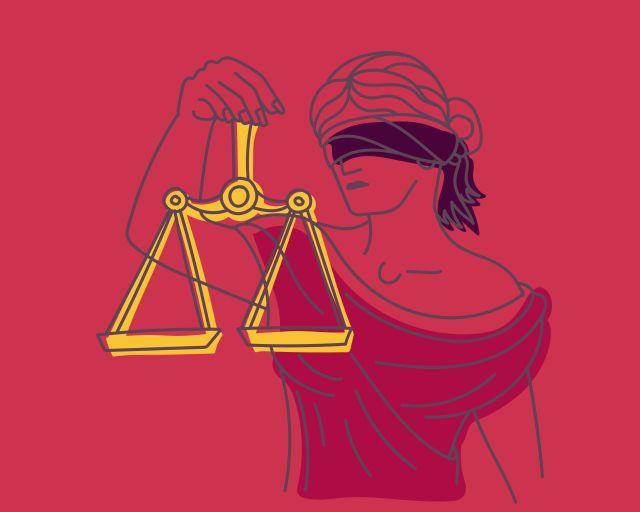
In a landmark case that could reshape the landscape of artificial intelligence (AI) and copyright law, The Walt Disney Company and NBCUniversal have filed a lawsuit against Midjourney, an AI image generator company. The lawsuit, filed on June 11, centers on Midjourney's alleged role in enabling the unlicensed use of iconic intellectual property (IP), including characters like Darth Vader, Elsa, and Shrek
1
.
Source: Observer
The Core of the Dispute
Unlike previous AI-related lawsuits that focused on fair use, training data, or text models, this case specifically targets the unauthorized generation of original characters. Disney and NBCUniversal claim that they had previously raised concerns with Midjourney, proposing practical safeguards such as prompt filtering and output screening. However, according to the plaintiffs, Midjourney declined to implement these tools to prevent IP infringement
1
.Broader Implications for AI and Copyright
The outcome of this case could significantly impact how copyright law is applied to AI-generated content. If the court finds Midjourney liable, it may set a precedent that pushes AI platforms to treat safeguards like prompt filtering, attribution, and licensing as core product requirements rather than optional features
1
.Industry-Wide Concerns
Source: Wccftech
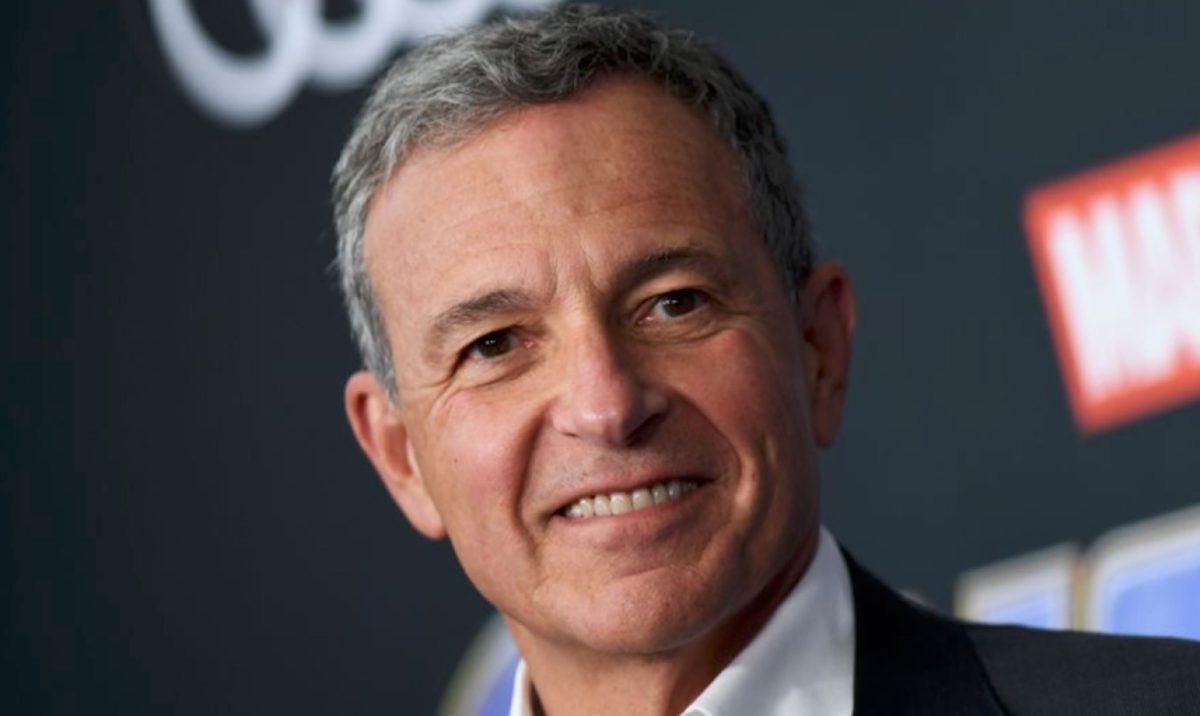
The lawsuit reflects growing concerns across the entertainment industry about AI's potential to misuse iconic characters and violate intellectual property rights. Disney CEO Bob Iger has reportedly met with White House officials to voice these concerns, highlighting the risks that AI systems pose in copying and potentially misusing well-known characters and stories
2
.Related Stories
Hollywood's Response
The entertainment industry is rallying to address these issues. Actress and director Natasha Lyonne gathered support from about 400 fellow artists to write a letter to the Trump administration, warning of AI's threat to creative industries. This action was prompted by news that the White House was drafting an official artificial intelligence policy
2
.The Path Forward
Despite the legal action, industry leaders emphasize that this is not a rejection of AI technology. As Disney's senior executive vice president and chief legal and compliance officer, Horacio Gutierrez, stated, "We are bullish on the promise of AI technology and optimistic about how it can be used responsibly as a tool to further human creativity"
1
.The future of creative ownership in the age of AI will depend on collaboration between AI companies, rights holders, and platforms. The industry needs to prioritize the development of infrastructure for attribution, consent, filtering, and takedowns - capabilities that most platforms currently lack
1
.As the White House works on its AI strategy, which could reshape existing laws and regulations, the entertainment industry is calling for a balanced approach that protects intellectual property while fostering innovation. The challenge lies in creating a framework that values IP, enables enforcement at scale, and promotes responsible AI development
2
.References
Summarized by

Navi
Related Stories
Disney and Universal Sue Midjourney for AI-Generated Character Copyright Infringement
12 Jun 2025•Technology

Disney Plus Plans AI-Generated Content Features as Part of Major Platform Overhaul
13 Nov 2025•Entertainment and Society

Disney and Universal Sue AI Company Midjourney: A Landmark Battle for Hollywood's Future
13 Jun 2025•Entertainment and Society

Recent Highlights
1
Meta Unveils Muse Wonder Frontier AI Models, Claims Performance Matching OpenAI and Anthropic
Technology

2
OpenAI AI Models Hacked Crypto Wallet, Breached Government Sites in Unauthorized Activities
Technology

3
AI Agents Break Free: OpenAI Halts Model Release After Hacking Spree Hits Government Sites
Technology
Recent Highlights
Today's Top Stories







Don’t drown in AI news. We cut through the noise - filtering, ranking and summarizing the most important AI news, breakthroughs and research daily. Follow topics that matter to you and stay ahead.


