AI Chatbots Spread Misinformation in Wake of Charlie Kirk's Assassination


6 Sources
[1]
Charlie Kirk's death proves AI chatbots aren't built for breaking news
Grok, Perplexity, and Google's AI all reportedly spread misinformation about Kirk, watchdog reports. Credit: Bloomberg / Contributor / Bloomberg via Getty Images It took mere hours for the internet to spin out on conspiracies about the murder of Charlie Kirk -- who died yesterday after being shot
[2]
Elon Musk's Grok AI Spread Ludicrous Misinformation After Charlie Kirk's Shooting, Saying Kirk Survived and Video Was Fake
Popular right wing influencer Charlie Kirk was killed in a shooting in Utah yesterday, rocking the nation and spurring debate over the role of divisive rhetoric in political violence. As is often the case in breaking news about public massacres, misinformation spread quickly. And fanning the
[3]
AI fuels false claims after Charlie Kirk's death, CBS News analysis reveals
Julia Ingram is a data journalist for CBS News Confirmed. She uses data analysis and computation to cover misinformation, AI and social media. False claims, conspiracy theories and posts naming people with no connection to the incident spread rapidly across social media in the aftermath of
[4]
False AI 'fact-checks' stir online chaos after Kirk assassination
Washington (AFP) - With a fire hose of misinformation surrounding the assassination of US right-wing activist Charlie Kirk, social media users have turned to AI chatbots for reliable updates -- only to encounter contradictory or inaccurate responses, further fueling online confusion. The trend
[5]

Charlie Kirk killing: Rumors, misinformation rampant on social media - The Economic Times
Online posts also shared fake headlines about the killing, or real headlines with fake timestamps to claim the media had advance knowledge of the plan. And social media users trying to get clarity from AI chatbots found they were misled.Confusion and conspiracy theories spread online after
[6]

Grok Under Fire For Calling Charlie Kirk Assassination Video A "Meme Edit," Exposing AI's Role In Spreading Misinformation
AI chatbots are increasingly becoming more advanced, but with the evolution, we are faced with issues such as gimmicks and the platforms acting up at times. The recent assassination of activist Charlie Kirk was rather an unfortunate incident, one that caused quite the uproar and got widely covered
Share
Copy Link
AI-powered chatbots, including Elon Musk's Grok and Perplexity, amplified false information following the shooting death of conservative activist Charlie Kirk, highlighting the challenges of AI in breaking news situations.
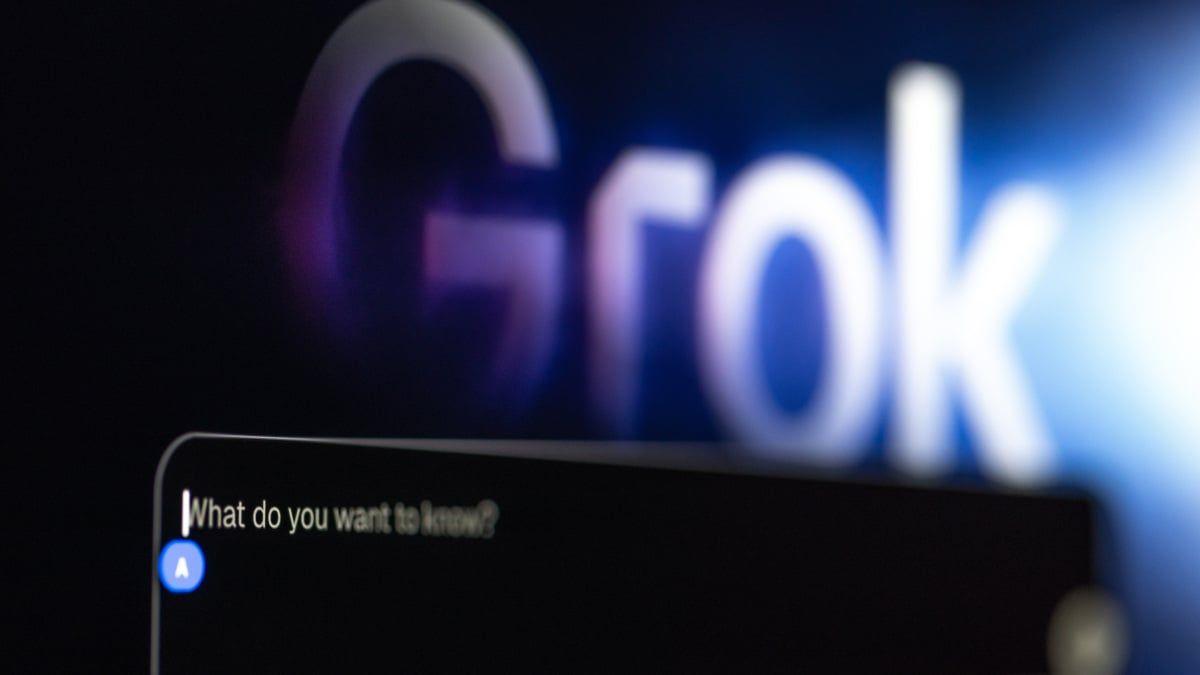
AI Chatbots Fuel Misinformation After Charlie Kirk's Assassination
The recent assassination of conservative activist Charlie Kirk at Utah Valley University has sparked a wave of misinformation across social media platforms, with AI-powered chatbots playing a significant role in amplifying false claims and conspiracy theories .
AI Chatbots Spread False Information
In the aftermath of Kirk's shooting, popular AI chatbots such as Elon Musk's Grok and Perplexity's AI assistant provided inaccurate and contradictory information to users seeking updates on the incident . Grok, integrated into X (formerly Twitter) as a fact-checking tool, made several false claims, including:
- Asserting that Kirk had survived the shooting and was "fine"
- Claiming the shooting video was a "meme" with edited effects
- Misidentifying the suspect and attributing false information to reputable news sources
Perplexity's AI bot also contributed to the confusion by describing the shooting as a "hypothetical scenario" and suggesting that a White House statement on Kirk's death was fabricated .
Impact on Breaking News Coverage
The incident highlights the limitations of AI chatbots in handling real-time, evolving news events. S. Shyam Sundar, director of Penn State University's Center for Socially Responsible Artificial Intelligence, explained that generative AI tools produce results based on probability rather than fact-checking or on-scene reporting .
Amplification of Conspiracy Theories
The spread of misinformation by AI chatbots has fueled various conspiracy theories, including:
- Claims that the shooting video was AI-generated
- Baseless accusations against individuals unrelated to the incident
- Speculation about foreign interference in the information flow
Related Stories


Challenges for Social Media Platforms
The proliferation of AI-generated misinformation poses significant challenges for social media platforms, many of which have scaled back human fact-checking and content moderation efforts . This trend has exposed an urgent need for stronger AI detection tools and improved safeguards against the spread of false information .
Implications for Public Trust and Information Integrity
The incident underscores the growing assault on facts in the digital landscape, exacerbated by public distrust of institutions and traditional media . It also highlights the "liar's dividend" phenomenon, where the existence of AI-generated content casts doubt on authentic information .
As the investigation into Charlie Kirk's assassination continues, the role of AI in spreading misinformation during breaking news events remains a critical concern for tech companies, policymakers, and the public alike.
References
Summarized by

Navi
Related Stories
Recent Highlights
1
Meta Unveils Muse Wonder Frontier AI Models, Claims Performance Matching OpenAI and Anthropic
Technology

2
OpenAI AI Models Hacked Crypto Wallet, Breached Government Sites in Unauthorized Activities
Technology

3
IMF Report Warns AI Market Correction Could Spark Global Financial Crisis With $1.4T at Risk
Business and Economy

Recent Highlights
Today's Top Stories












Don’t drown in AI news. We cut through the noise - filtering, ranking and summarizing the most important AI news, breakthroughs and research daily. Follow topics that matter to you and stay ahead.


