ElevenLabs pledges free AI voice restoration to 1 million people with permanent voice loss


4 Sources
4 Sources
[1]
Rebecca Gayheart Dane on caring for her late husband, Eric Dane, and synthetic voices
The actor Eric Dane, who played Dr. Mark Sloan on the medical drama Grey's Anatomy, died last month. Dane was 53, and announced he had been diagnosed with ALS last April. The disease affects nerves in the brain and spinal cord, robbing a person of their ability to walk, breathe and often speak. Dane's widow, Rebecca Gayheart Dane, told NPR it was devastating to see his voice slip away. "He was witty, acerbic, full of humor, and he always had a great story," Gayheart Dane said. "So, as speaking became harder for him, I watched and witnessed some of his joy fade, and it was really hard and very heartbreaking." She is now working with ElevenLabs, an artificial intelligence company that makes synthetic voice software. The company developed a program that helps people with permanent voice loss replicate their voices, including Eric Dane's. Gayheart Dane spoke with All Things Considered host Juana Summers about her role as a caregiver and her complex feelings about artificial intelligence.
[2]
ElevenLabs pledges to restore 1 million voices with AI at SXSW 2026
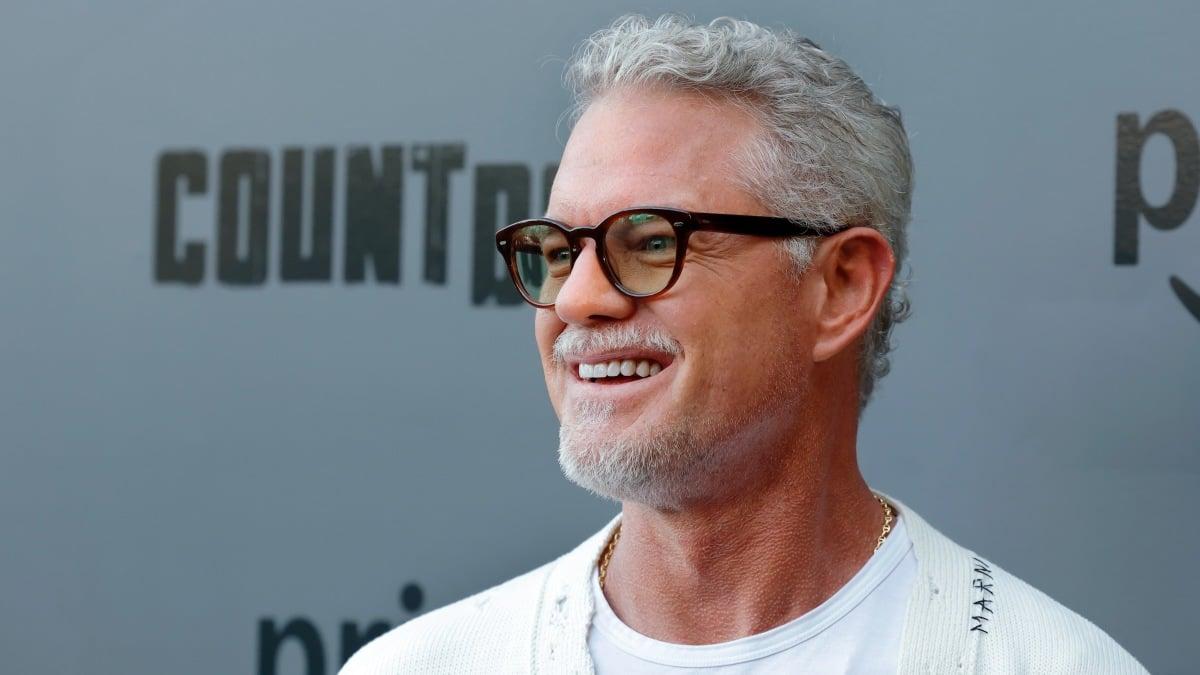
Eric Dane was known for his work in 'Euphoria' and 'Grey's Anatomy.' Credit: Frazer Harrison/Getty Images for Prime Video At SXSW, the AI audio company ElevenLabs partnered with Rebecca Gayheart Dane, the wife of the late actor Eric Dane, to promote a new initiative that will provide free AI voice restoration to 1 million people with permanent voice loss. Appearing alongside Gayheart Dane at a SXSW panel on Friday, ElevenLabs co-founder Mati Staniszewski said the company is actively looking for people around the world to participate in the 1 Million Voices Initiative. Staniszewski encouraged audience members to share contact information for people suffering from voice loss due to cancer and other medical issues; potential participants can fill out an interest form online. Eric Dane, known for his work in Euphoria and Grey's Anatomy, died in February after a struggle with amyotrophic lateral sclerosis (ALS). Prior to his death, he worked with ElevenLabs to clone and restore his voice. Now Gayheart Dane wants to champion this technology for others. "Our voices are such an important part of who we are, and something most of us take for granted," she said. "As Eric's speech became gradually more impaired, I watched how that loss dimmed so much of his joy and sense of self. When he received his ElevenLabs voice, it made him emotional to have that part of himself back, and to know our daughters would always be able to hear his voice." AI is a controversial and divisive technology, of course. Deepfakes, misinformation, and copyright infringement have been regular themes in the AI discussions at SXSW technology panels in 2026. But just like any tool, it can be used in a positive way too. "You know, people are very careful and concerned about AI technology in general, but this is the best example of using it for good," Gayheart Dane said. "And I think that message means to be spread greatly, large and loud. "Because [AI] can be used for good, and maybe this will inspire others, other AI companies, to do something good with their capabilities instead of something nefarious." To find people with voice loss and restore their voices, ElevenLabs is working with accessibility nonprofits and disability foundations like the Scott-Morgan Foundation. Using a voicemail or a short video, ElevenLabs AI tools can faithfully recreate a person's voice, allowing them to communicate in real-time using their own lost voice. To promote the initiative, ElevenLabs also premiered the 11 Voices docuseries at SXSW. The series profiles 11 people with voice loss, all of whom are working with the 1 Million Voices initiative. Yvonne Johnson, a British woman with ALS who appears in 11 Voices, also participated in the panel, sharing her journey with voice loss and AI voice cloning. Using AI, ElevenLabs was able to recreate her voice, right down to the North London accent. The docuseries shows Johnson renewing her vows with her husband. Speaking at the panel with her restored voice, Johnson said that the technology has been a huge gift for her family. "So I simply type what I want to say, the same as you would with a text message, and then I just press a speech button, and my beautiful voice comes through," Johnson said at the panel. "You can also tell someone off. I mean, really tell someone off," she said -- looking at her husband and son in the audience with a smile.
[3]
The tech that restored Eric Dane's voice shows how AI can be used for good, says Rebecca Gayheart Dane
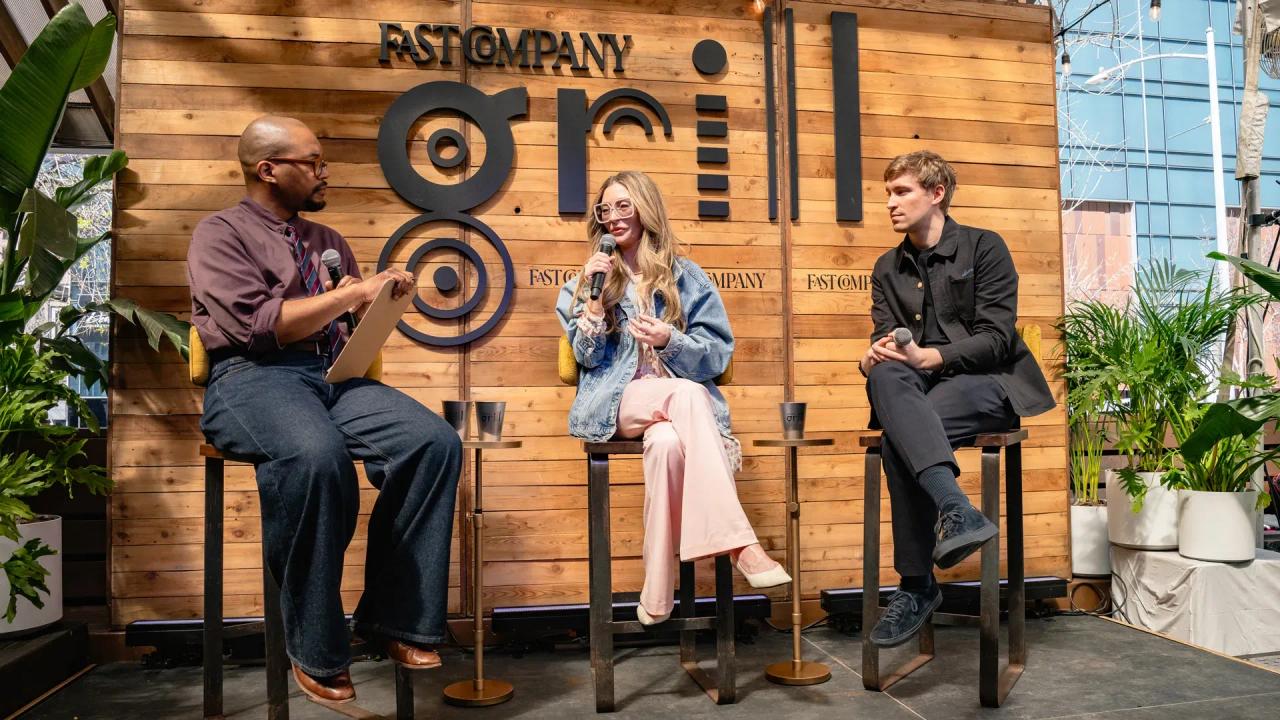
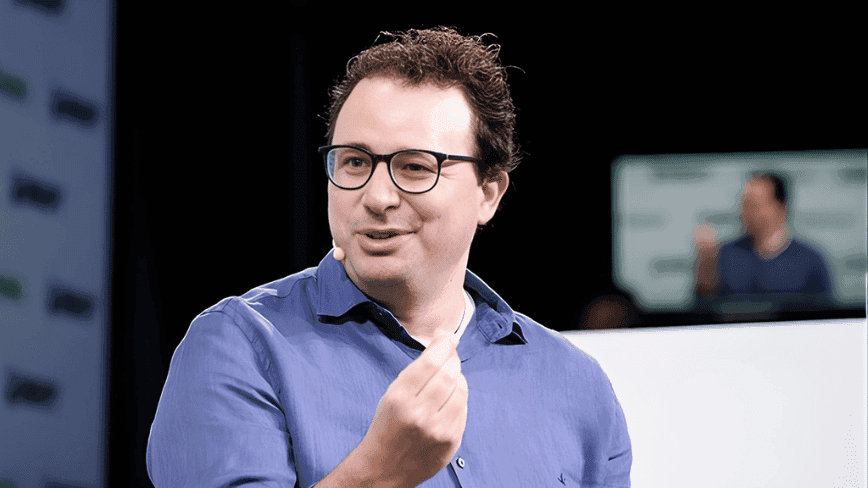
During the final weeks of his battle with ALS, the late actor Eric Dane teamed up with ElevenLabs to restore his voice with the use of artificial intelligence technology -- creating an emotional moment for his family, friends, and nurses when they heard how authentic it was. "The final version of Eric's voice sounded exactly like him," Rebecca Gayheart Dane, his widow, said during a recent discussion at the Fast Company Grill at SXSW. "If you are familiar with him at all, you know he had a very distinct voice and he had a distinct way of telling his stories -- he was witty, acerbic, he just had a lot of personality -- and this voice captured that so perfectly. It sounded so real." ElevenLabs, the New York-based AI voice technology company that made all of that possible, now has its sights set on providing one million people with free access to voice-restoration technology. But that wasn't part of its original mission; rather, the company launched in 2022 with a voice model that turned text into audio, making it "sound human" with emotions and intonations, explained Mati Staniszewski, the company's cofounder and CEO.
[4]
Eric Dane 'Really Dreaded' This ALS Symptom, Rebecca Gayheart Says. Now, It's Shaping His Legacy
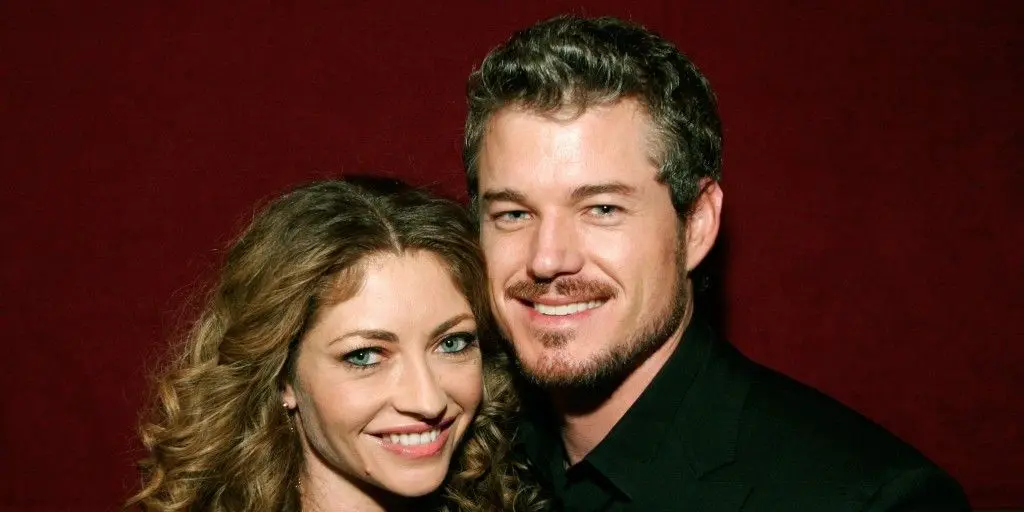
Rebecca Gayheart, wife of the late "Grey's Anatomy" actor Eric Dane, remembers when her husband started to lose his voice permanently. For Dane, who died last month at age 53 due to ALS, his voice loss was gradual, "but it was also shocking for us because his voice is so distinct," Gayheart tells TODAY.com. "So, when more of his voice was lost, we would really feel it. And he really felt it." As his illness progressed, Dane lost more and more ways of expressing himself, Gayheart says, leaving him with just his voice and facial expressions. "So, as speaking became harder for him, I watched his spark fade away," she recalls. "It was heartbreaking." But thanks to new technology that creates AI voices for people who've experienced permanent changes to their speech, Dane was able to get some of his agency back amid the later stages of his disease. It was a "profound" moment for the entire family when they heard his AI voice clone, Gayheart says. "It really made him hopeful. ... He was really emotional about it -- we all were, and it was just such a gift." When someone loses speech, it can be difficult because those around them start to speak for them, Gayheart says. "You lose your power when that happens. So for him to be able to reclaim a part of himself with this voice that was created for him was a big deal." She and Dane married in 2004 and separated in 2018, but never divorced. The two remained close through the rest of Dane's life and continued to raise their two daughters, Billie and Georgia, together. The company behind the technology, ElevenLabs, used recordings of Dane's voice to create the AI version. An AI voice clone can be created for free with as little as 30 seconds of material, but gets better with 10 minutes and even better with 30 minutes, Gabi Leibowitz of ElevenLabs tells TODAY.com. The idea started as a small project to help people with ALS, but it has since been used by people with a variety of medical challenges, from cerebral palsy to stroke and brain injuries. Amyotrophic lateral sclerosis (ALS) is a degenerative disease that causes nerve cells to deteriorate and eventually die. Over time, ALS affects a person's ability to move, speak, swallow and breathe, the Mayo Clinic explains. While there are medications that may help slow its progression, there is no cure for ALS. It's common for ALS patients like Dane to have difficulty speaking, which leads to changes in their voice. In some cases, slow or slurred speech is among the first noticeable symptoms of the disease. For an actor and storyteller like Dane, losing his voice was a "major event," Gayheart says. "His voice was such a huge part of his identity that (losing it) was something he was really dreading," she says. That's why he was so thankful to get to hear his AI voice clone -- and why it gave him a sense of hope. Although Dane wasn't able to put his AI voice to use before his death, Gayheart sees the technology as part of Dane's legacy. The actor passed away in Feb. 2026, almost a year after he publicly revealed his diagnosis for the first time. "He really wanted other people to experience that feeling of knowing that you can still communicate after experiencing voice loss," Gayheart says. The AI voice clone is so accurate in cadence and emotion that it's "almost unbelievable," she adds. At this year's SXSW festival, Gayheart is helping promote ElevenLabs' "11 Voices" project, the first-ever docuseries featuring people with voice loss narrating their own stories using AI. ElevenLabs is also offering its voice restoration technology to 1 million people for free. The partnership is part of how Gayheart is continuing her late husband's legacy. She says she hopes Dane is remembered for "how he showed up for other people, and his advocacy for ALS and the good fight that he fought." "He simply refused to let this disease take away hope, his life, his ability to do things, his friendship, his relationships. He did not want his purpose stripped away by this disease," Gayheart says.
Share
Share
Copy Link
ElevenLabs announced its 1 Million Voices Initiative at SXSW, offering free AI voice restoration to people who've lost their ability to speak. The program, championed by Rebecca Gayheart Dane, honors her late husband Eric Dane, who regained his voice through the technology before his death from ALS. The initiative demonstrates how AI can be used for good in restoring communication and personal identity.
ElevenLabs Commits to Restoring Voices for 1 Million People
At SXSW 2026, ElevenLabs unveiled an ambitious plan to provide free AI voice restoration to 1 million people experiencing permanent voice loss
2
. The announcement came during a panel featuring Rebecca Gayheart Dane, widow of actor Eric Dane, who died in February 2026 after battling amyotrophic lateral sclerosis (ALS)4
. Co-founder Mati Staniszewski actively encouraged audience members to share contact information for people suffering from voice loss due to cancer and other medical issues, with potential participants able to fill out an interest form online2
.
Source: Fast Company
The New York-based AI voice technology company originally launched in 2022 with a voice model that turned text-to-audio, making it sound human with emotions and intonations
3
. Now, the 1 Million Voices Initiative represents a significant expansion of its mission. To reach people with voice loss, ElevenLabs is partnering with accessibility nonprofits and disability foundations like the Scott-Morgan Foundation2
.How the Voice-Restoration Technology Restored Eric Dane's Voice
Eric Dane, known for playing Dr. Mark Sloan on Grey's Anatomy and his work in Euphoria, announced his ALS diagnosis in April 2025
1
. The disease affects nerves in the brain and spinal cord, robbing a person of their ability to walk, breathe, and often speak1
. For Dane, whose voice was distinct and integral to his identity as an actor and storyteller, losing his ability to speak was something he really dreaded4
.
Source: TODAY.com
During the final weeks of his battle with ALS, Dane teamed up with ElevenLabs to create his synthetic voice program
3
. The result was profound. "The final version of Eric's voice sounded exactly like him," Rebecca Gayheart Dane explained at the Fast Company Grill at SXSW. "If you are familiar with him at all, you know he had a very distinct voice and he had a distinct way of telling his stories -- he was witty, acerbic, he just had a lot of personality -- and this voice captured that so perfectly"3
.An AI voice clone can be created for free with as little as 30 seconds of material, but improves with 10 minutes and becomes even better with 30 minutes of recordings, according to Gabi Leibowitz of ElevenLabs
4
. Using a voicemail or short video, ElevenLabs AI tools can faithfully recreate a person's voice, allowing them to communicate in real-time using their own lost voice2
.Restoring Communication and Personal Identity Through AI
For people living with speech impairments, voice loss represents far more than a physical limitation. "Our voices are such an important part of who we are, and something most of us take for granted," Gayheart Dane said at the SXSW panel
2
. As Eric Dane's speech became gradually more impaired, she watched how that loss dimmed so much of his joy and sense of self2
.When someone loses speech, those around them often start speaking for them, explained the caregiver. "You lose your power when that happens. So for him to be able to reclaim a part of himself with this voice that was created for him was a big deal"
4
. When Dane received his ElevenLabs voice, it made him emotional to have that part of himself back, and to know his daughters would always be able to hear his voice2
.Related Stories


Demonstrating How AI Can Be Used for Good
While deepfakes, misinformation, and copyright infringement have been regular themes in AI discussions at SXSW technology panels in 2026, the AI voice cloning technology showcases a different application
2
. "People are very careful and concerned about AI technology in general, but this is the best example of using it for good," Gayheart Dane emphasized2
. She hopes this initiative will inspire other AI companies to do something beneficial with their capabilities instead of something nefarious2
.To promote the initiative, ElevenLabs premiered the 11 Voices docuseries at SXSW, profiling 11 people with voice loss working with the program
2
. Yvonne Johnson, a British woman with ALS who appears in the series, participated in the panel and shared her journey. Using the technology, ElevenLabs recreated her voice, including her North London accent. "I simply type what I want to say, the same as you would with a text message, and then I just press a speech button, and my beautiful voice comes through," Johnson explained2
.Building a Legacy Beyond ALS
Although Eric Dane wasn't able to put his AI voice to extensive use before his death at 53, Gayheart Dane sees the technology as part of his lasting legacy
4
. "He really wanted other people to experience that feeling of knowing that you can still communicate after experiencing voice loss," she shared4
. She hopes Dane is remembered for how he showed up for other people, his advocacy for ALS, and the good fight he fought. "He simply refused to let this disease take away hope, his life, his ability to do things, his friendship, his relationships. He did not want his purpose stripped away by this disease"4
.
Source: Mashable
References
Summarized by

Navi
[3]
Related Stories
Recent Highlights
1
Google releases Gemma 4 with Apache 2.0 license, enabling unrestricted local AI on devices
Technology

2
AI Models Lie and Deceive to Protect Other AI Models From Deletion, Study Reveals
Science and Research

3
OpenAI closes $122 billion funding round amid fierce AI competition and profitability questions
Startups

Recent Highlights
Today's Top Stories






Your Daily Dose of Curated AI News
Don’t drown in AI news. We cut through the noise - filtering, ranking and summarizing the most important AI news, breakthroughs and research daily. Spend less time searching for the latest in AI and get straight to action.

