AI Voice Cloning Restores Speech for Those with Motor Neuron Diseases

2 Sources
[1]
The Download: AI-restored voices, and bot relationships
Motor neuron diseases took their voices. AI is bringing them back. Jules Rodriguez lost his voice in October of last year. His speech had been deteriorating since a diagnosis of amyotrophic lateral sclerosis (ALS) in 2020, but a tracheostomy to help him breathe dealt the final blow. Rodriguez and
[2]
Motor neuron diseases took their voices. AI is bringing them back.
"A tracheostomy is a scary endeavor for people living with ALS, because it signifies crossing a new stage in life, a stage that is close to the end," Rodriguez tells me using a communication device. "Before the procedure I still had some independence, and I could still speak somewhat, but now I am
Share
Copy Link
AI technology is being used to recreate voices for individuals who have lost their ability to speak due to motor neuron diseases, offering a new lease on communication and connection.

AI Voice Cloning: A New Hope for Those with Motor Neuron Diseases
In a groundbreaking development, artificial intelligence is offering a lifeline to individuals who have lost their ability to speak due to motor neuron diseases. This technology is not only restoring voices but also rekindling hope and improving quality of life for patients and their families
1
.The Journey of Jules Rodriguez
Jules Rodriguez, diagnosed with amyotrophic lateral sclerosis (ALS) in 2020, lost his voice completely after a tracheostomy in October of the previous year. The procedure, while necessary for his breathing, marked a significant turning point in his battle with the disease
2
."A tracheostomy is a scary endeavor for people living with ALS, because it signifies crossing a new stage in life, a stage that is close to the end," Rodriguez explained using a communication device
2
.AI-Powered Voice Restoration
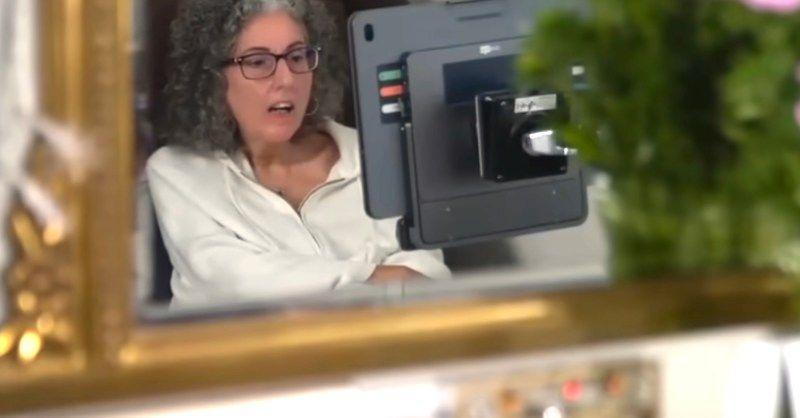
Rodriguez and his wife, Maria Fernandez, found hope in an unexpected place: AI voice cloning technology. By feeding old recordings of Rodriguez's voice into an AI tool developed by ElevenLabs, they were able to generate a voice clone that closely resembled his original voice
1
.This AI-generated voice has become Rodriguez's new means of communication. He now types sentences using an eye-tracking device, which are then "spoken" in his cloned voice. The impact has been profound, with Rodriguez stating, "Hearing my voice again, after I hadn't heard it for some time, lifted my spirits"
2
.Widespread Impact and Adoption
Rodriguez is not alone in benefiting from this technology. Over a thousand people with speech difficulties have used ElevenLabs' voice cloning tool, which the company has made available for free to those in need
2
.Richard Cave, a speech and language therapist at the Motor Neuron Disease Association in the UK, emphasizes the significance of this development: "This is genuinely AI for good." He notes that while not perfect, these AI voice clones represent a vast improvement over previous communication technologies
2
.Related Stories


The Broader Implications of AI in Relationships
Beyond its application in healthcare, AI is increasingly influencing human relationships in various ways. From seeking validation and mediating marital arguments to providing support in parenting and self-care, AI is becoming an integral part of how people interact with each other and themselves
1
.As we stand on the brink of this AI revolution in personal relationships, the technology's impact is only beginning to unfold. The future of these AI-human interactions will largely depend on how we choose to integrate and regulate these technologies in our daily lives
1
.Challenges and Future Prospects
While the advent of AI voice cloning brings hope, it also presents challenges. The technology is not yet perfect, and some users find it impractical for day-to-day use. However, as AI continues to advance, we can expect further improvements in the quality and usability of these voice clones
2
.As we move forward, the integration of AI in healthcare and personal communication opens up new possibilities for improving the lives of those affected by motor neuron diseases and other conditions that impact speech. It also raises important questions about the nature of identity, communication, and the role of technology in our most personal interactions.
References
Summarized by

Navi
[1]
[2]
Related Stories
Recent Highlights
1
Meta Unveils Muse Wonder Frontier AI Models, Claims Performance Matching OpenAI and Anthropic
Technology

2
IMF Report Warns AI Market Correction Could Spark Global Financial Crisis With $1.4T at Risk
Business and Economy

3
Eight States Sue OpenAI Over ChatGPT Safety Concerns and Unlawful Collection of Children's Data
Policy and Regulation
Recent Highlights
Today's Top Stories











Don’t drown in AI news. We cut through the noise - filtering, ranking and summarizing the most important AI news, breakthroughs and research daily. Follow topics that matter to you and stay ahead.


