Congresswoman Jennifer Wexton Makes History with AI-Cloned Voice Speech on House Floor


5 Sources
[1]
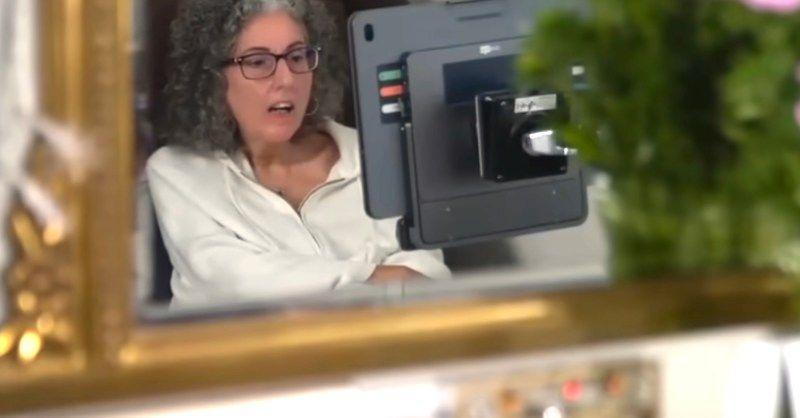
Congresswoman Jennifer Wexton uses AI voice to address US House
"Hearing the new AI version of my old voice for the first time was music to my ears. It was the most beautiful thing I had ever heard and I cried tears of joy," she said during her speech. It has also allowed the Congresswoman to continue her work as a representative despite her diagnosis, which
[2]
A Neurological Disorder Stole Her Voice. Jennifer Wexton Takes It Back on the House Floor.
When Jennifer Wexton rises Thursday to speak on the House floor, something she has done countless times before, the congresswoman will be using a voice she thought was gone forever. After a rare neurological disorder robbed her of her ability to speak clearly, Wexton has been given her voice back
[3]
A neurological disorder stole her voice. Jennifer Wexton takes it back on the House floor.
When Jennifer Wexton rises Thursday to speak on the House floor, something she has done countless times before, the congresswoman will be using a voice she thought was gone forever. After a rare neurological disorder robbed her of her ability to speak clearly, Wexton has been given her voice back
[4]
A neurological disorder stole her voice. Jennifer Wexton takes it back on the House floor.
A rare neurological disorder robbed Rep. Jennifer Wexton of her ability to speak clearly When Jennifer Wexton rises Thursday to speak on the House floor, something she has done countless times before, the congresswoman will be using a voice she thought was gone forever. After a rare neurological
[5]

A neurological disorder stole her voice. Jennifer Wexton takes it back on the House floor.
When Jennifer Wexton rises Thursday to speak on the House floor, something she has done countless times before, the congresswoman will be using a voice she thought was gone forever. After a rare neurological disorder robbed her of her ability to speak clearly, Wexton has been given her voice back
Share
Copy Link
U.S. Representative Jennifer Wexton, diagnosed with a rare neurological disorder, uses AI technology to deliver a speech on the House floor. This groundbreaking event marks a significant moment in both politics and technology.

A Groundbreaking Moment in U.S. Politics
In a historic first for U.S. politics, Congresswoman Jennifer Wexton, a Democrat from Virginia, delivered a speech on the House floor using an AI-generated clone of her voice
1
. This unprecedented event occurred on July 25, 2024, marking a significant milestone in the intersection of technology and political discourse.The Challenge: Progressive Supranuclear Palsy
Rep. Wexton's use of AI technology stems from her diagnosis with progressive supranuclear palsy (PSP), a rare neurological disorder that has affected her speech and movement
2
. PSP is a brain disorder that causes problems with walking, balance, and eye movements, and in Wexton's case, has significantly impacted her ability to speak clearly.The AI Solution: Voice Cloning Technology
To overcome this challenge, Wexton turned to AI voice cloning technology. The process involved using recordings of her voice from before her condition progressed to create a synthesized version that closely mimics her natural speech patterns
3
. This technology allowed her to type out her speech, which was then converted into audio that sounded remarkably like her own voice.The Historic Speech
During her address, Wexton spoke about the SHIP Act, a bipartisan bill she co-sponsored to support individuals with serious mental illness
4
. The use of AI technology not only enabled her to continue her legislative work but also brought attention to the potential of such technologies in assisting individuals with disabilities.Related Stories


Implications and Reactions
This event has sparked discussions about the future of accessibility in politics and the potential applications of AI in public service. Many colleagues and observers praised Wexton's innovative approach, seeing it as a powerful example of how technology can be used to overcome physical limitations in the political arena
5
.Future Prospects
Wexton's pioneering use of AI voice cloning technology opens up new possibilities for individuals with speech impairments in various fields, not just politics. It raises questions about the potential widespread adoption of such technologies and the need for guidelines to ensure their ethical use in public discourse.
References
Summarized by

Navi
[1]
[2]
[4]
Related Stories
Recent Highlights
1
Meta Unveils Muse Wonder Frontier AI Models, Claims Performance Matching OpenAI and Anthropic
Technology

2
IMF Report Warns AI Market Correction Could Spark Global Financial Crisis With $1.4T at Risk
Business and Economy

3
Eight States Sue OpenAI Over ChatGPT Safety Concerns and Unlawful Collection of Children's Data
Policy and Regulation

Recent Highlights
Today's Top Stories











Don’t drown in AI news. We cut through the noise - filtering, ranking and summarizing the most important AI news, breakthroughs and research daily. Follow topics that matter to you and stay ahead.


