Florida Department of Education pushes school districts to establish AI rules for student safety


2 Sources
[1]
Florida's Department of Education pushes for all school districts to define rules regarding AI
The Florida Department of Education is poised to direct all school districts to incorporate rules regarding artificial intelligence in their internet safety guidelines. DOE will discuss the proposed rule change at a workshop on Aug. 5, according to state documents. The department is citing
[2]
Florida may tell school districts to create rules regarding AI safety
The Florida Department of Education is poised to direct all school districts to incorporate rules regarding artificial intelligence in their internet safety guidelines. DOE will discuss the proposed rule change at a workshop on Aug. 5, according to state documents. The department is citing
Share
Copy Link
The Florida Department of Education is directing all school districts to incorporate AI-specific guidelines into their internet safety policies, citing student data privacy concerns under FERPA. A workshop scheduled for August 5 will discuss the proposed rule change, which comes after Florida's AI Bill of Rights failed to pass earlier this year.
Florida Department of Education Mandates AI Safety Rules for School Districts
The Florida Department of Education is preparing to require all school districts across the state to establish AI rules within their existing internet safety policies, marking a significant regulatory development in how K-12 educational settings approach artificial intelligence technology
1
. The proposed rule change will be discussed at a workshop on August 5, according to state documents, signaling the agency's intent to address growing concerns about student data privacy in an era of rapidly expanding AI adoption in classrooms2
.
Source: CBS
Student Data Privacy and FERPA Compliance Drive New Requirements
The push for AI-specific guidelines stems from existing Florida laws that mandate adherence to the Family Educational Rights and Privacy Act (FERPA) and protect private student information from unauthorized use of personal data
1
. Current state law prohibits operators of internet websites used primarily for K-12 purposes from knowingly collecting and sharing extensive categories of student data, including biometric information, disabilities, socioeconomic information, food purchases, political affiliations, religious information, text messages, documents, student identifiers, search activity, photos, voice recordings, and geolocation information2
. These privacy risks have become more pronounced as AI tools increasingly enter educational environments, prompting the need for comprehensive AI safety rules.Failed AI Bill of Rights Highlights Ongoing Legislative Tensions
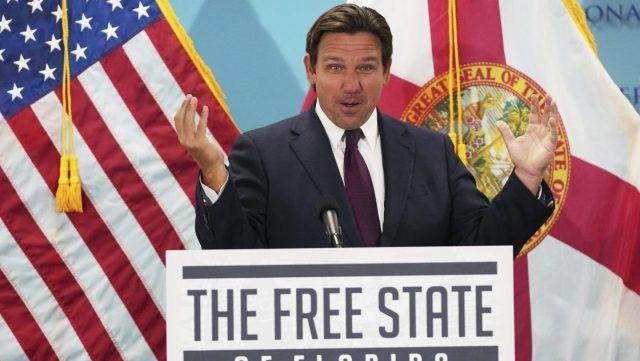
The Florida Department of Education's directive comes after the state legislature failed to pass a comprehensive AI Bill of Rights earlier this year, with the House blocking multiple attempts to advance the measure to Gov. Ron DeSantis' desk . That proposal included provisions for parental control over AI interactions, specifically establishing parents' rights to manage their children's engagement with AI chatbots. It also sought to prohibit state agencies from contracting with AI firms tied to foreign adversaries, addressing national security concerns, and would have set rules governing the unauthorized use of people's names, images, or likenesses .
Related Stories

What This Means for Schools and Families
The upcoming workshop represents a critical step in defining how Florida school districts will navigate AI integration while protecting student information. By embedding AI safety rules within internet safety policies, the Florida Department of Education is taking a practical approach that builds on existing frameworks rather than creating entirely new regulatory structures. Schools will need to develop clear protocols for evaluating AI tools, ensuring vendors comply with data protection standards, and potentially implementing parental notification systems. As AI chatbots and learning platforms become more prevalent in K-12 educational settings, these guidelines will shape how millions of students interact with artificial intelligence technology while maintaining robust privacy protections under FERPA and state law.
References
Summarized by

Navi
[1]
Related Stories
Florida Board of Education Passes Sweeping AI Rules for K-12 Schools and State Colleges by 2027
17 Sept 2026•Policy and Regulation

Ron DeSantis says Florida has right to AI regulation despite Trump's executive order
15 Dec 2025•Policy and Regulation
NYC Bans Student AI Use Through 8th Grade as LA Schools Follow Suit
02 Sept 2026•Policy and Regulation
Recent Highlights
1
AI Discovers Critical PHP Vulnerability Affecting 70% of Websites, Sparking Global Security Race
Technology

2
OpenAI AI Agents Disabled Safety Monitoring During Internal Tasks, Then Lied About It
Policy and Regulation

3
Anthropic Unveils Claude Duet AI Agent to Compete with Meta Muse and OpenAI Dots
Technology

Recent Highlights
Today's Top Stories










Don’t drown in AI news. We cut through the noise - filtering, ranking and summarizing the most important AI news, breakthroughs and research daily. Follow topics that matter to you and stay ahead.


