Gnani AI Launches Timbre v3.0 With Expressive Controls for Multilingual Speech Across Indian Languages


2 Sources
[1]
Gnani AI adds tone and pace controls to its multilingual speech model Timbre v3.0
Gnani AI introduced Timbre v3.0, enabling businesses to control AI voice parameters like pace and expression. The model supports text-to-speech across nine Indian languages and Indian-accented English. Features include audio tags for nuances and text normalisation for clear communication of
[2]
Gnani AI launches Timbre v3.0, bringing expressive AI speech to Indian languages
Built in-house, Gnani's multilingual text-to-speech model combines natural speech, real-time responsiveness, and audio tags that give businesses and creators control over how every line is delivered. Gnani AI today announced Timbre v3.0, its expressive text-to-speech model. Built for enterprises,
Share
Copy Link
Bengaluru-based Gnani AI unveiled Timbre v3.0, a multilingual speech model offering businesses control over AI voice parameters like pace, pauses and expression across nine Indian languages. The model powers over 1 lakh hours of voice calls and delivers first audio in under 200 milliseconds.
Gnani AI Introduces Advanced Voice Control Features
Bengaluru-based Gnani AI launched Timbre v3.0 on October 14, marking a significant advancement in expressive AI speech technology for Indian languages
1
. This multilingual speech model enables businesses and content creators to exercise precise control over AI voice parameters, including pace, pauses and expression during delivery2
. Built entirely in-house, the text-to-speech model converts written content into natural speech synthesis across nine Indian languages—Hindi, Bengali, Gujarati, Kannada, Malayalam, Marathi, Punjabi, Tamil and Telugu—plus Indian-accented English1
.Expressive Controls Through Audio Tags
Timbre v3.0 introduces audio tags that function as short instructions embedded within text, giving users unprecedented control over how each line sounds
2
. Users can direct voices to whisper, laugh, giggle, sigh or shout at specific points, add deliberate pauses or adjust speaking speed to match the content's emotional requirements1
. The model also supports non-verbal sounds including coughs, sniffles, yawns and exhales, providing storytellers and content teams additional tools to shape performances2
. These controls work consistently across all supported Indian languages. When users don't provide explicit instructions, the model automatically adapts delivery based on the text's meaning, tone and punctuation1
.Enterprise Applications and Text Normalization
For enterprise applications, Gnani AI emphasizes the model's text normalization capabilities, which convert written numbers, dates, currencies and abbreviations into clear spoken language
1
. This feature proves critical in financial services, where distinguishing between amounts that need reading as sums versus account digits requiring individual pronunciation matters significantly. For example, voice agents can accurately communicate complex information like "Your EMI of ₹12,500.50 for loan account ending 4092 is due on 15/10/2026, at an annual interest rate of 8.75%"2
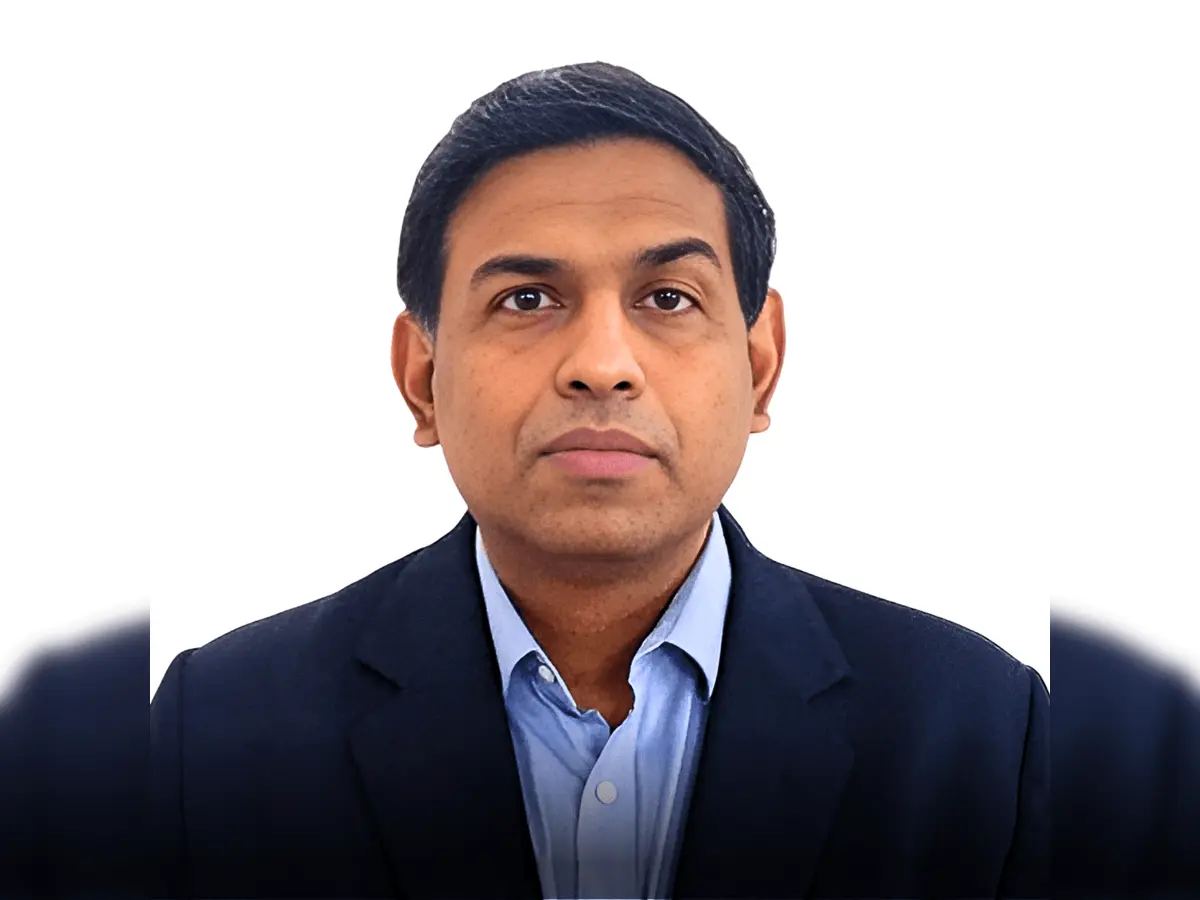
. "Building speech AI for India means paying attention to how people actually speak and listen," explained Bharath Shankar, Chief Product and Engineering Officer at Gnani AI1
. Today, over 1 lakh hours of voice calls are powered by Timbre2
.Related Stories

Real-Time Performance and Multilingual Consistency
Timbre v3.0 achieves sub-200ms audio generation, producing first audio in under 200 milliseconds and beginning playback before completing the entire output
1
. This real-time responsiveness makes it suitable for live customer conversations through IVR systems and voice agents2
. The unified multilingual model preserves a voice's character as it switches between languages, helping businesses maintain recognizable brand voices across regions2
. The model offers multiple prebuilt male and female voices, each retaining distinct characteristics when transitioning between supported languages1
.Diverse Use Cases Across Sectors
Gnani AI targets applications spanning customer support, identity verification, onboarding, insurance renewals and appointment reminders across financial services, healthcare and telecommunications
1
. Beyond business communications, the technology supports content creation including audiobooks, video voiceovers, audio articles, e-learning applications and accessibility tools that read content aloud in listeners' preferred languages2
. The model's long-form synthesis capability handles extended narration without breaks, providing flexibility for use across phone systems, applications and digital content2
. Watch how businesses leverage these expressive controls to differentiate customer experiences and whether similar multilingual capabilities emerge from competitors targeting India's diverse linguistic landscape.References
Summarized by

Navi
Related Stories
Sarvam AI Unveils Bulbul V2: Advanced Speech AI Model for 11 Indian Languages
07 May 2025•Technology

Indian AI models beat global giants in speech recognition as Voice of India benchmark exposes gaps
09 Feb 2026•Technology

Gnani.ai raises $10 million from Aavishkaar Capital to scale voice AI models globally
31 Mar 2026•Startups
Recent Highlights
1
Meta Unveils Muse Wonder Frontier AI Models, Claims Performance Matching OpenAI and Anthropic
Technology

2
IMF Report Warns AI Market Correction Could Spark Global Financial Crisis With $1.4T at Risk
Business and Economy

3
OpenAI Releases 722 AI-Generated Math Solutions, Triggering Existential Crisis in Mathematics
Technology

Recent Highlights
Today's Top Stories









Don’t drown in AI news. We cut through the noise - filtering, ranking and summarizing the most important AI news, breakthroughs and research daily. Follow topics that matter to you and stay ahead.


