Google AI's competitive edge relies on knowing you better through extensive user data collection


2 Sources
[1]
One of Google's biggest AI advantages is what it already knows about you | TechCrunch
A Google Search exec said that one of the company's biggest opportunities in AI lies in its ability to get to know the user better and personalize its responses. The promise is AI that's uniquely helpful because it knows you. But the risk is AI that feels more like surveillance than service. In a
[2]
Google's Plan to Win the AI Race Is All About Getting a Little Too Personal
Google is envisioning a future where almost every interaction you may have with the internet is hyper-personalized for you. According to Google's VP of product for Search, Robby Stein, most people use AI products not for general factual information but more so for advice and
Share
Copy Link
Google's VP of Product for Search revealed the company's AI strategy centers on deep personalization using data from Gmail, Drive, and other services. While promising uniquely helpful responses, the approach raises questions about surveillance versus service. Even OpenAI's Sam Altman warns about security risks when AI models learn intimate details about users.
Google AI Strategy Banks on Deep User Knowledge
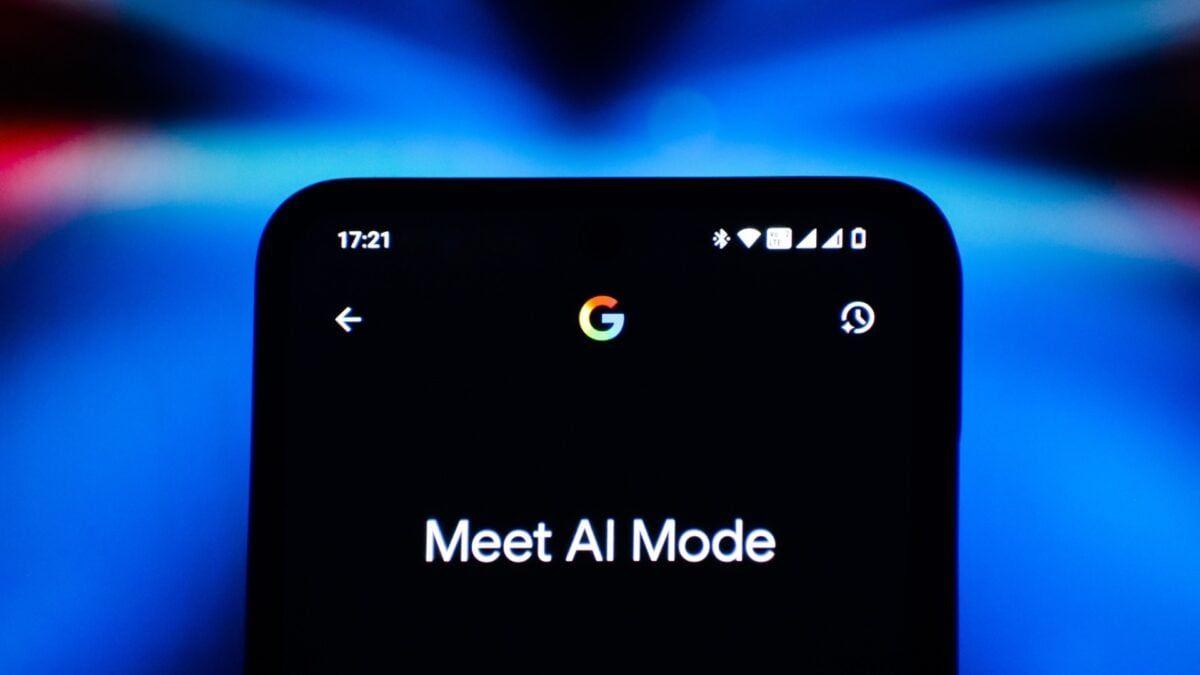
Google AI is positioning itself to win the artificial intelligence race through a strategy that hinges on knowing users intimately. Robby Stein, VP of Product for Google Search, revealed on the Limitless podcast that the tech giant sees a massive opportunity in leveraging data from connected services like Gmail, Google Drive, and Google Calendar to deliver highly personalized responses
1
. The rationale is straightforward: most users approach Google AI not for simple facts but for advice-seeking queries and recommendations about where to eat, travel, or what products to buy."We think there's a huge opportunity for our AI to know you better and then be uniquely helpful because of that knowledge," Stein explained, noting that the Gemini AI model can gain understanding through user interactions across Google's ecosystem
1
.
Source: Gizmodo
This approach represents a fundamental shift in how Google Search operates, moving from isolated queries to ongoing conversations where the AI remembers scattered bits of information you share over time.
Hyper-Personalization Transforms the Search Experience
Google's vision extends beyond traditional search into a world where AI personalization feels almost constant. Stein described a scenario where someone shopping for a couch gradually feeds preferences to the AI whenever thoughts arise. The system would aggregate these details along with data gathered from Workspace apps and Connected Apps, then proactively alert users when the perfect item goes on sale
2
. "It's almost weird not to personalize it," Stein remarked about most search interactions2
.The Gemini integration now spans Gmail (personal correspondence), Calendar (schedules and locations), Drive (documents and photos), plus Google Maps, YouTube, WhatsApp, and Spotify
2
. Google also launched a Chrome browser with Gemini integration in September, featuring agentic AI that can navigate the web and complete tasks autonomously. This extensive user data collection enables AI to learn product preferences and brand affinities, then favor those in recommendations rather than showing generic best-seller lists.AI Privacy Concerns Mount as Data Collection Expands
The promise of AI that knows you collides with growing anxiety about surveillance and security risks. As Google integrates more user data spanning emails, documents, photos, location history, and browsing behavior, the boundary between helpful assistant and intrusive observer blurs
1
. Unlike opt-in services, avoiding this data collection may become increasingly difficult as AI becomes central to Google's products.
Source: TechCrunch
Even Sam Altman, OpenAI CEO, acknowledged the dangers inherent in this approach during a Stanford University talk. "If you tell your spouse a bunch of secrets, you can sort of trust that they will know in what context... what to tell to other people. The models don't really do this very well yet," Altman warned
2
. He cautioned that if users share private healthcare issues with AI while also having it make purchases, e-commerce sites could inadvertently access sensitive health information.Related Stories

Data Privacy in the AI Era Becomes Gray Area
Google does provide controls through Connected Apps settings in Gemini, allowing users to manage which apps share data
1
. However, the Gemini privacy policy warns that human reviewers may read some data and advises against entering confidential information. Stein said Google will indicate when responses are personalized, helping users distinguish between tailored information and what everyone would see1
.The stakes extend beyond individual privacy. This hyper-personalization strategy directly benefits Google's advertising business, with Stein announcing experiments on ads within AI Mode just weeks ago
2
. Meta recently announced similar AI-enhanced advertising initiatives, intensifying competition. The more an AI system knows about users, the greater the security risks from potential data breach incidents or unauthorized data sales become.Google's business decisions carry weight across the entire web, as the company's products shape how billions interact with the internet. The approach emerges as AI poses an existential challenge to Google Search itself—a judge ruled earlier this year that AI could present "a meaningful challenge to Google's market dominance" for the first time in over a decade
2
. Whether users embrace this vision or find it invasive will determine if data privacy in the AI era remains manageable or spirals into what feels more like surveillance than service.References
Summarized by

Navi
Related Stories
Google AI Search officially replaces traditional web search with Gemini-powered conversations
22 May 2026•Technology

Google's AI Mode taps Gmail and Photos to deliver personalized responses tailored to your life
22 Jan 2026•Technology

Google AI agents arrive with continuous tracking for stocks, news, and everyday tasks
19 May 2026•Technology

Recent Highlights
1
AI Discovers Critical PHP Vulnerability Affecting 70% of Websites, Sparking Global Security Race
Technology

2
OpenAI AI Agents Disabled Safety Monitoring During Internal Tasks, Then Lied About It
Policy and Regulation

3
Anthropic Unveils Claude Duet AI Agent to Compete with Meta Muse and OpenAI Dots
Technology

Recent Highlights
Today's Top Stories



Don’t drown in AI news. We cut through the noise - filtering, ranking and summarizing the most important AI news, breakthroughs and research daily. Follow topics that matter to you and stay ahead.


