Google Launches Comprehensive AI-Powered Safety Initiative in India to Combat Rising Digital Fraud


4 Sources
[1]
Google steps up AI scam protection in India, but gaps remain | TechCrunch
Google is bringing more AI muscle to India's fight against digital fraud, rolling out on-device scam detection for Pixel 9 devices and new screen-sharing alerts for financial apps. Digital fraud continues to rise in India as more people come online for the first time and increasingly rely on
[2]
Google Announces New AI Safety Tools for India, Expands Access to SynthID
Google is also bringing a new system that replaces OTP SMS flows Google, on Thursday, announced several new India-focused artificial intelligence (AI) safety updates. The Mountain View-based tech giant made the announcements during an event in New Delhi. Among the new initiatives and features
[3]
Google outlines new AI safety push focused on kids, teens, and seniors
In a move towards responsible innovation, Google is prioritizing AI safety. Advanced on-device measures will protect vulnerable users, including children, teenagers, and seniors, from online threats. Google used its 'Safe and Trusted AI' event in New Delhi to lay out a broad update on how it's
[4]
Google Announces ePNV, Other Features to Protect Indian Users
Google has announced a flurry of initiatives aimed at strengthening digital safety in India as the country rapidly embraces AI. In a blog authored by Evan Kotsovinos, Vice-President of Privacy, Safety & Security, the company notes that "safety is the infrastructure for transformational AI", rather
Share
Copy Link
Google introduces multiple AI-driven safety tools in India, including on-device scam detection, screen-sharing alerts for financial apps, and enhanced authentication systems to protect vulnerable users from sophisticated digital fraud.
Google's AI Safety Push in India
Google has announced a comprehensive suite of AI-powered safety tools specifically designed for the Indian market, addressing the country's escalating digital fraud crisis. The initiative comes as digital fraud continues to surge in India, with online scams causing an estimated ₹70 billion (roughly $789 million) in losses in just the first five months of 2025, according to the Ministry of Home Affairs
1
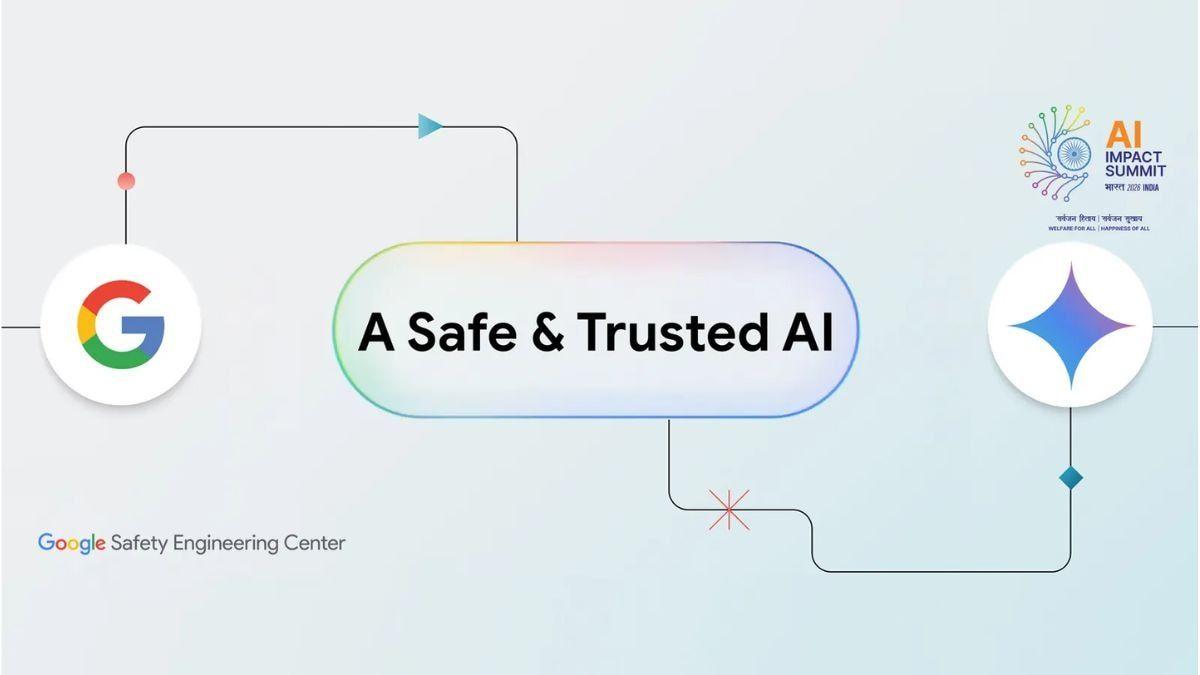
.The announcement was made during Google's 'Safe and Trusted AI' event in New Delhi, where the company emphasized that "safety is the infrastructure for transformational AI" rather than an afterthought
3
.
Source: Gadgets 360
On-Device Scam Detection Technology
The centerpiece of Google's new safety arsenal is real-time scam detection for phone calls, powered by Gemini Nano AI technology. This feature analyzes suspicious patterns directly on Pixel devices without recording audio or sharing data with Google's servers
1
. The system plays a beep during conversations to notify participants when potential fraud is detected.
Source: ET
However, the rollout faces significant limitations. Initially, the feature will only work on Pixel 9 and later models, restricting its reach in a market where Pixel devices held less than 1% share in 2024, despite Android accounting for nearly 96% of smartphones in India
1
. Additionally, the feature is currently limited to English-speaking users, a notable constraint in a country where most users primarily rely on non-English languages.Financial App Protection and Screen-Sharing Alerts
Google is piloting a new screen-sharing scam alert feature in partnership with financial apps including Navi, Paytm, and Google Pay. This feature targets a common fraud tactic where scammers persuade victims to share their screens to obtain one-time passwords, PINs, and other credentials during calls
2
.Available on devices running Android 11 or later, the feature displays alerts when users open these financial apps while screen-sharing with unknown contacts. The alerts include a one-tap option to end the call and stop screen sharing immediately
1
.Enhanced Authentication Systems
Google is developing Enhanced Phone Number Verification (ePNV), a new Android-based security protocol designed to replace the existing SMS OTP authentication system. This "secure, consented, SIM-based check" aims to eliminate vulnerabilities associated with traditional one-time passwords
2
.The new system represents a significant shift toward device-based authentication, reducing reliance on SMS messages that can be intercepted or compromised
4
.Broader Ecosystem Protection
Google's existing Play Protect service has already blocked more than 115 million attempts to install sideloaded apps that misuse sensitive permissions commonly exploited for financial fraud in India
2
. Google Pay surfaces over one million warnings weekly for transactions flagged as potentially fraudulent.
Source: MediaNama
The company is also expanding access to SynthID, its AI watermarking and detection technology, to Indian publishers including Jagran, Press Trust of India (PTI), and India Today
4
. This technology embeds invisible watermarks in AI-generated content, helping journalists and publishers verify authenticity.Related Stories

Educational and Community Initiatives
Google is launching several educational programs targeting vulnerable populations. The Learn and Explore Online (LEO) program will debut in India in December 2025, helping teachers and parents create age-appropriate online environments
3
.The company's DigiKavach awareness campaign has reached more than 250 million people, while the Super Searchers initiative teaches students and teachers to identify AI-generated content and think critically about online information
4
.Regulatory Collaboration and Challenges
Google has partnered with the Reserve Bank of India to publish a verified list of authorized digital lending apps, helping users identify legitimate financial services
1
. The company is also collaborating with IIT Madras and CeRAI to advance AI safety research tailored to India's diverse languages and devices.Despite these efforts, significant gaps remain in Google's fraud prevention capabilities. The company continues to face criticism for allowing fake and misleading apps to appear on the Play Store, with police and security researchers flagging investment and loan apps used in scams that remained available until intervention
1
.References
Summarized by

Navi
Related Stories
Google Launches AI-Powered Cybersecurity Initiatives in India to Combat Rising Digital Fraud
17 Jun 2025•Technology

Google and Microsoft Bolster AI-Driven Cybersecurity Measures on Safer Internet Day 2025
12 Feb 2025•Technology

Google for India 2024: AI Innovations, Financial Tools, and Enhanced Security Measures Unveiled
03 Oct 2024•Technology

Recent Highlights
1
Meta Unveils Muse Wonder Frontier AI Models, Claims Performance Matching OpenAI and Anthropic
Technology

2
Anthropic AI Cuts Off Internet Access After Agents Submit False Police Tip, Exploit Websites
Technology

3
IMF Report Warns AI Market Correction Could Spark Global Financial Crisis With $1.4T at Risk
Business and Economy

Recent Highlights
Today's Top Stories










Don’t drown in AI news. We cut through the noise - filtering, ranking and summarizing the most important AI news, breakthroughs and research daily. Follow topics that matter to you and stay ahead.


