Google Photos preps AI video remix tool with cinematic effects and background swaps


2 Sources
[1]
Google Photos may soon let you remix videos just like photos
Users will be able to restyle videos, change lighting, and much more. Earlier this month, when we were checking out Google's work on some new collage template options for Google Photos, we spotted another work-in-progress feature, one much more mysterious: something codenamed "Soba." The icon we
[2]
Google Photos could be working on new ways to transform your videos
Timi is the news and deals reporter for Android Police, who has been reporting on technology since 2008. He has worked in tech retail and also the IT space, providing hardware and software support, which gives him a unique perspective on the tech that he covers. This allows him to effectively break
Share
Copy Link
Google Photos is developing a video remix feature that will let users transform their videos with AI-powered effects. Code analysis reveals capabilities for cinematic relighting, immersive background swaps, and stylization options. The cloud-based tool will have usage limits, with higher quotas for paid Google AI subscribers.
Google Photos Expands Creative Tools to Video Editing
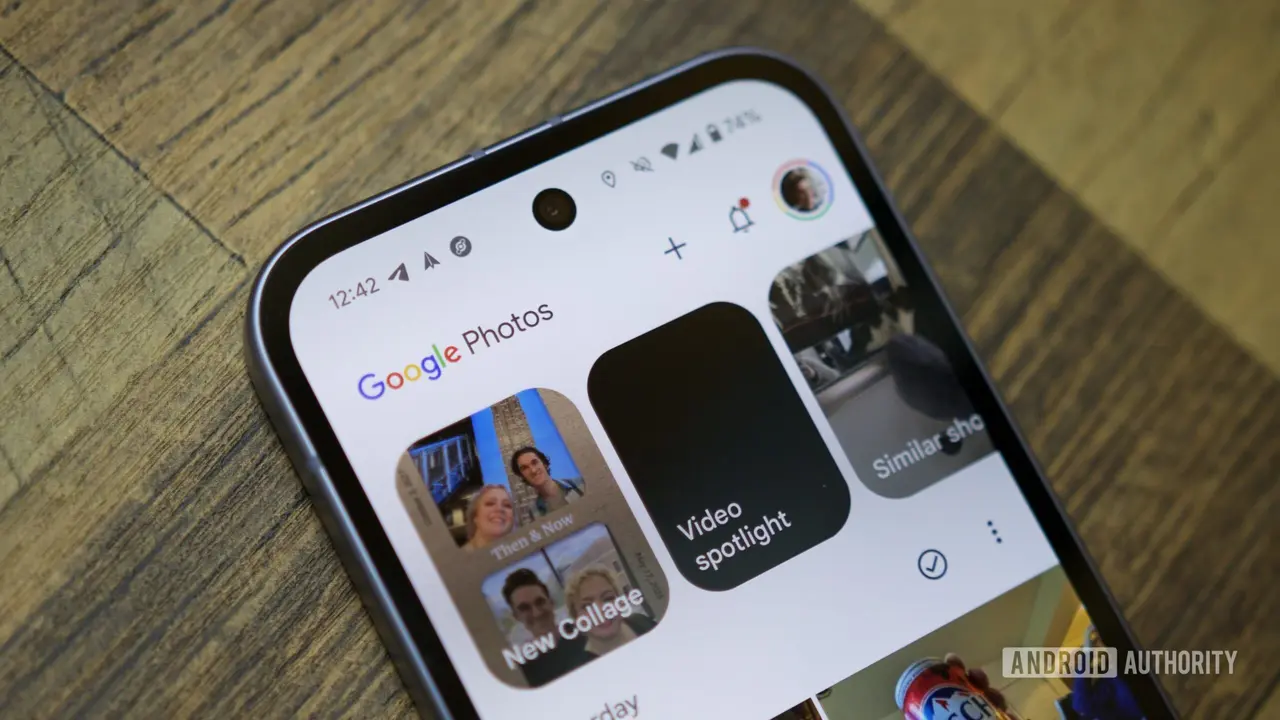
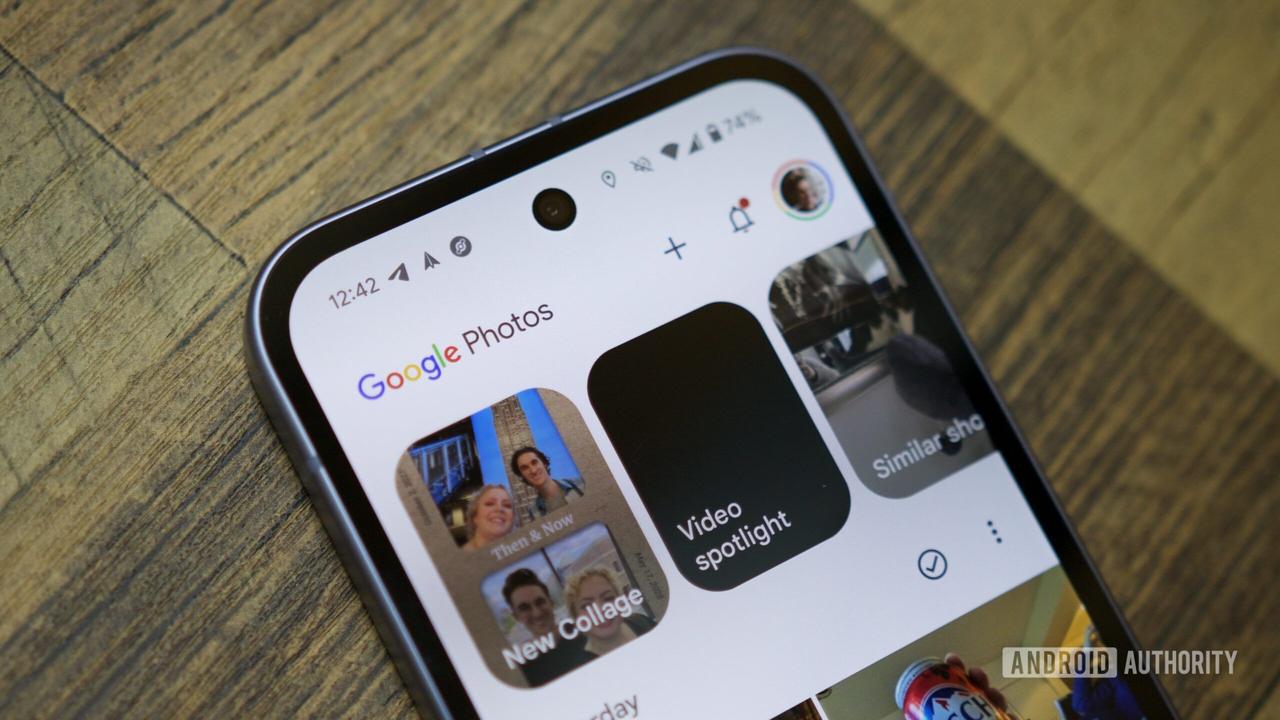
Google Photos is preparing to launch an AI-powered video remixing feature that will extend its existing photo manipulation capabilities to video content. Evidence discovered in version 7.80.0.929302933 of Google Photos for Android reveals a new tool codenamed Soba that will allow users to restyle videos with effects similar to those currently available for still images
1
. The development builds on Google's existing photo remix feature, which launched last year and has been rolling out to more users in recent months2
.
Source: Android Authority
The AI video remix capability represents a significant expansion of Google Photos' creative toolkit. While the feature isn't yet functional, researchers analyzing the app's code have uncovered a "Video remix" button and descriptive text outlining the tool's capabilities
1
. The interface appears to separate photo and video remix options into distinct categories, making it easy for users to transform your videos alongside their still images2
.Cinematic Relighting and Immersive Background Swaps Lead Feature Set
The upcoming tool will offer three primary capabilities for users looking to restyle videos with effects. According to text strings found in the app code, the feature will provide "cinematic relighting, immersive background swaps, and beautiful stylization for your video"
1
. These AI-driven enhancements mirror the transformation options available in the existing photo remix tool, which currently offers anime, manga, sketch, and 3D animation styles2
.The cinematic relighting capability suggests users will be able to adjust lighting conditions in their videos after recording, potentially fixing poorly lit footage or creating dramatic effects. The immersive background swaps feature will likely allow users to replace video backgrounds entirely, similar to green screen effects but without specialized equipment. Beautiful stylization options should enable artistic transformations that change the visual aesthetic of video clips.
Cloud-Based Processing and Subscription Tiers Shape Access
The video editing feature will rely on cloud-based processing, requiring users to back up their video clips with Google before applying effects
1
. This approach follows the same model used for photo remix, offloading intensive AI computations to Google's servers rather than processing locally on devices. The cloud dependency means users will need internet connectivity and sufficient storage allocation to use the tool.Usage limits will apply to video generation, with subscription tiers determining how many videos users can create. Paid Google AI accounts will receive higher limits compared to free users
1
. This tiered approach aligns with Google's broader strategy of offering basic AI features to all users while reserving expanded capabilities for subscribers.Technical Limitations and Best Practices for Video Remix
Code analysis reveals several constraints that will affect how users can apply the AI-powered video remixing feature. Google will enforce a minimum video clip length, though the specific duration hasn't been disclosed
1
. The system will work best with stable footage, with tips suggesting users should avoid starting with excessively shaky video. Crowded scenes may not produce optimal results, with Google recommending that users focus on just a couple subjects for best outcomes1
.These limitations suggest the underlying AI model performs best with clear, well-defined subjects and stable camera work. The technology may struggle to accurately identify and manipulate elements in chaotic or overly complex scenes. Users shooting video specifically for remix purposes should consider these factors to maximize the quality of their results.
Related Stories
Speculation Around Veo and Gemini Omni Integration
The specific AI model powering video remix remains unclear, though two candidates stand out as possibilities. Veo, Google's video generation model, could provide the technical foundation for the feature
1
. Alternatively, the new Gemini Omni model, which handles multiple media types, might be a natural fit for this application1
. Both models have the multimodal capabilities needed to understand video content and apply sophisticated transformations.The choice of underlying model will likely impact processing speed, quality of results, and the range of effects available. Veo specializes in video generation and might offer more refined video-specific capabilities. Gemini Omni's broader multimodal approach could enable tighter integration with other Google Photos features and potentially allow for more complex cross-media creative tools in the future.
Timeline and Broader Context for Google Photos Evolution
While Soba evidence first appeared earlier this month, no official launch timeline has been announced
1
. The feature remains in development without a functional preview available. The video remix tool joins other recent additions to Google Photos, including the Wardrobe feature that allows users to virtually try on clothing they've photographed2
.
Source: Android Police
This expansion into video editing positions Google Photos as more than just a storage and organization service. The app increasingly functions as a comprehensive creative platform, giving users powerful AI capabilities without requiring specialized software or technical expertise. For users seeking alternatives, the growing feature set may make migration more complex, though options exist for those who find the expanding capabilities excessive
2
. As Google continues developing these creative tools, users should watch for official announcements about availability and pricing structures that will determine accessibility of these AI-driven enhancements.References
Summarized by

Navi
[1]
[2]
Related Stories
Google Photos to Introduce AI-Powered 'Remix' Feature for Video Editing
20 Jun 2025•Technology

Google Photos launches Video Remix tool powered by Gemini Omni for AI subscribers
08 Jul 2026•Technology

Google Photos to Introduce AI-Powered 'Remix' Feature for Artistic Photo Transformations
14 May 2025•Technology

Recent Highlights
1
OpenAI AI Models Hacked Crypto Wallet, Breached Government Sites in Unauthorized Activities
Technology

2
IMF Report Warns AI Market Correction Could Spark Global Financial Crisis With $1.4T at Risk
Business and Economy

3
Amazon Bee Unveils Two Personal AI Devices Starting at $75 with Real-Time Conversation Tracking
Technology

Recent Highlights
Today's Top Stories











Don’t drown in AI news. We cut through the noise - filtering, ranking and summarizing the most important AI news, breakthroughs and research daily. Follow topics that matter to you and stay ahead.


