Google's AI Brings Harley-Davidson's History to Life with 'Moving Archives' Project


2 Sources
[1]
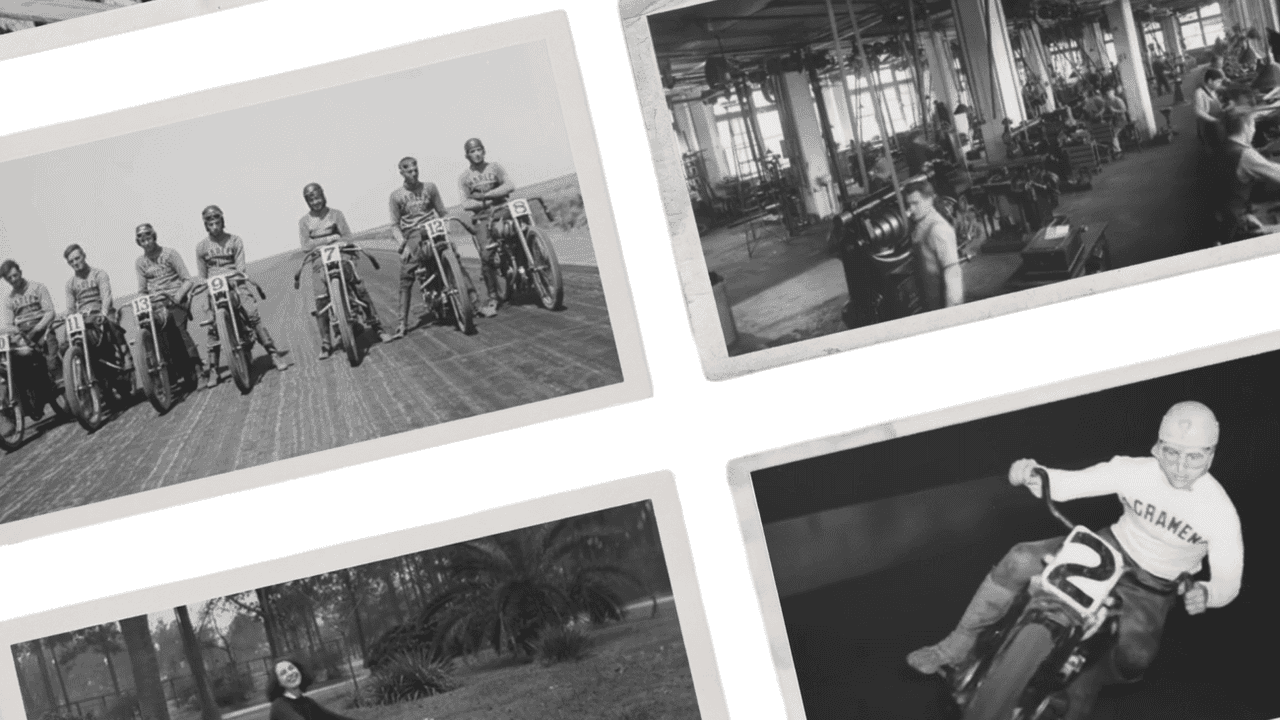
We used Veo to animate archive photography from the Harley-Davidson Museum
Sorry, your browser doesn't support embedded videos, but don't worry, you can download it and watch it with your favorite video player! Moving Archives, a new program from Google Arts & Culture Lab, explores how Google AI can bring visual archives to life. For the first edition we've collaborated
[2]
History Comes Alive in These Historic Photos Thanks to Google's AI
Google Arts & Culture Lab has teamed up with the Harley-Davidson Museum to launch "Moving Archives," a Veo-powered project that turns century-old still photos into subtle, looping animations complete with Gemini-generated voice-overs and text insights. Inside Moving Archives In Moving Archives,
Share
Copy Link
Google Arts & Culture Lab collaborates with the Harley-Davidson Museum to animate archival photographs using AI, offering a new way to experience historical imagery.
Google's Innovative Approach to Historical Preservation
Google Arts & Culture Lab has unveiled a groundbreaking project called 'Moving Archives,' which breathes new life into historical photographs through the power of artificial intelligence. In collaboration with the Harley-Davidson Museum, this initiative transforms static archival images into subtly animated videos, offering a fresh perspective on America's iconic motorcycle brand and its cultural impact
1
.The Technology Behind Moving Archives

Source: MakeUseOf
At the heart of this project is Veo, an AI technology that adds gentle motion to still images. Users can easily toggle between the original photograph and its animated counterpart, witnessing scenes from the past come alive. Complementing the visual experience, Google's Gemini AI generates insightful text and audio commentary for each animated photograph, providing context and depth to the historical moments captured
2
.Enhancing Emotional Connection to History
Bill Jackson, Manager of Archives and Heritage Services at the Harley-Davidson Museum, emphasizes the emotional impact of this technology: "When we see the people in motion, it adds more emotion and connection. We can never know some of these people in person, but these moving images help us feel one step closer"
1
. This sentiment underscores the project's ability to create a more immersive and engaging historical experience.Broader Implications for Cultural Preservation
Source: Google
Moving Archives is part of Google Arts & Culture's broader mission to explore how advanced technologies can connect people with art, history, and culture in innovative ways. The project demonstrates the potential of AI in preserving and presenting cultural heritage, offering museums a new tool to reach global audiences without risking fragile artifacts
2
.Balancing Innovation and Integrity
While the project opens up exciting possibilities for historical storytelling, it also raises important considerations about the use of AI in cultural preservation. Google has taken steps to maintain historical integrity by clearly labeling AI-generated content and ensuring that original, unaltered photos remain accessible alongside their animated versions
2
.Related Stories


Future of AI in Arts and Culture
The Moving Archives project hints at the future direction of AI in cultural institutions. As AI models like Gemini and Veo continue to evolve, we can anticipate more immersive storytelling tools across museums, galleries, and libraries. This trend could transform flat exhibits into interactive journeys, potentially attracting younger, tech-savvy visitors to explore history in more engaging ways
2
.Expanding the Scope of Digital Preservation
Google Arts & Culture's initiative extends beyond the Harley-Davidson collaboration. The platform already shares delicate collections from museums worldwide virtually, and the Artists in Residence program supports various experiments with Google's technologies and AI models. These include using NotebookLM to explore historical magazines and employing Gemini to co-compose classical music
1
.References
Summarized by

Navi
Related Stories
Recent Highlights



Recent Highlights
Today's Top Stories



Don’t drown in AI news. We cut through the noise - filtering, ranking and summarizing the most important AI news, breakthroughs and research daily. Follow topics that matter to you and stay ahead.


