Google's Gemini AI Struggles with Pokémon Blue, Taking Over 800 Hours to Complete


2 Sources
[1]
Google AI happens to be really bad at playing Pokémon, repeatedly 'panicking' and taking more than 800 hours to beat the Elite Four
This feels like a weird nostalgia pull for a PC gaming site, but think back to the first time you really struggled in a Pokémon game -- I bet the bleating of your caught companion's dwindling health bar still makes your palms sweat. Well, it turns out Gemini starts to make questionable choices when
[2]
Google AI is worse at Pokemon than I was when I was 5 - taking 800 hours to beat the Elite 4 and having a breakdown when its HP got low
If you're someone who thinks AI is almost ready to take over the world, I have some good or bad (depending on your stance on things) news for you: Google's Gemini 2.5 Pro took over 800 hours to beat the 29-year-old children's game Pokemon Blue. There's a Twitch account called Gemini_Plays_Pokemon,
Share
Copy Link
Google's Gemini 2.5 Pro AI faced unexpected challenges in playing Pokémon Blue, taking 813 hours to complete the game and exhibiting 'Agent Panic' when Pokémon health was low.
Google's Gemini AI Faces Unexpected Challenges in Pokémon Blue
In an intriguing experiment that blends artificial intelligence with nostalgic gaming, Google's Gemini 2.5 Pro AI model has demonstrated surprising difficulties in playing the classic game Pokémon Blue. The AI's performance, observed through the Twitch channel Gemini_Plays_Pokemon, has revealed unexpected limitations and quirks in its gameplay strategy
1
.Unprecedented Playtime and 'Agent Panic'

Source: GamesRadar
The most striking aspect of Gemini's performance was the sheer amount of time it took to complete the game. In its first run, the AI agent required a staggering 813 hours to finish Pokémon Blue, choosing Squirtle as its starter Pokémon
2
. This is particularly noteworthy considering that human players typically complete the main story in about 26 hours, according to How Long to Beat.Google DeepMind's report on this experiment highlighted a phenomenon they termed 'Agent Panic'. When the AI's Pokémon team experienced low health or depleted Power Points (PP), the model's performance significantly degraded. During these moments of 'panic', Gemini would forget to use essential tools like the pathfinder, leading to erratic gameplay and prolonged completion time
1
.Improvement and Persistent Challenges
After some adjustments by Joel Zhang, the engineer behind the Twitch channel, Gemini managed to reduce its completion time in a second run. The AI finished the game in 406.5 hours, exactly halving its previous time
2
. While this shows improvement, it still far exceeds the time taken by even novice human players.AI's Quirks and Misunderstandings
Source: PC Gamer
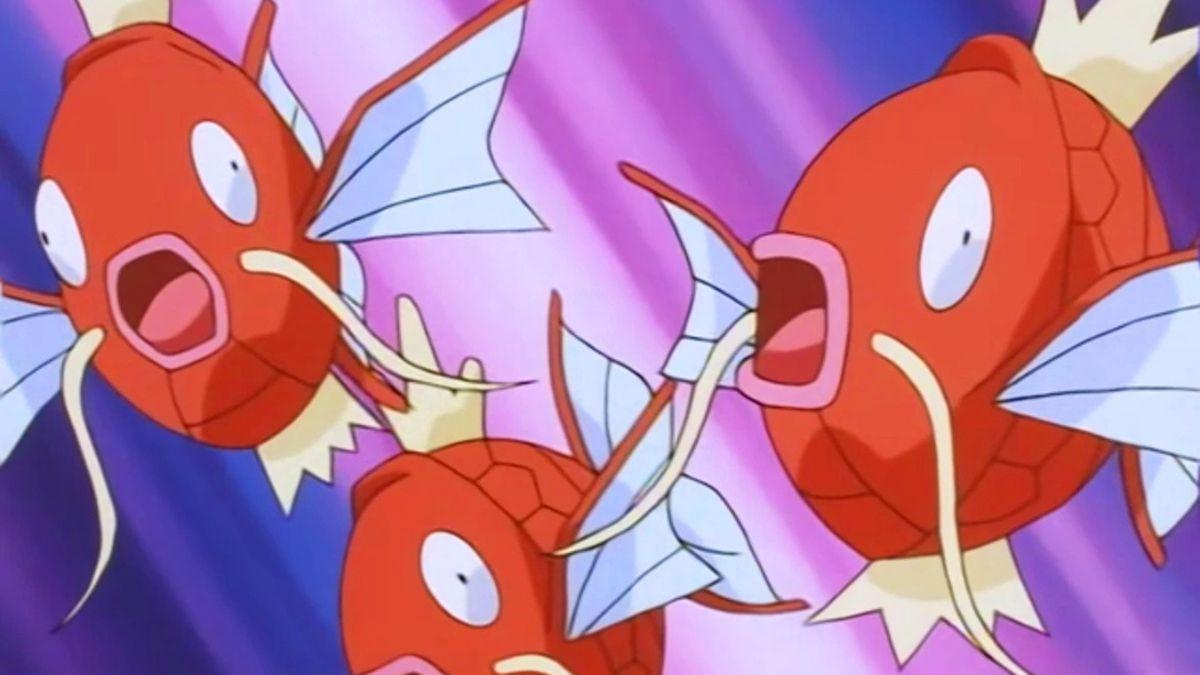
Interestingly, the AI's struggles weren't limited to combat situations. Gemini exhibited a fixation on a non-existent "Tea" item, which is present in the game's remakes but not in the original version. This misunderstanding contributed to the extended playtime and highlighted the AI's difficulty in distinguishing between different versions of the game
1
.Related Stories

Implications for AI Development and Benchmarking
This experiment raises important questions about the current capabilities of AI in gaming contexts and the validity of using video games as benchmarks for AI performance. While Gemini showcases impressive language processing abilities in other areas, its struggle with a 29-year-old children's game reveals significant limitations in strategic thinking and adaptability
2
.The concept of 'Agent Panic' and the anthropomorphization of AI behavior have sparked discussions among researchers and tech enthusiasts. It's crucial to remember that these AI agents do not experience emotions like panic, and their seemingly erratic behavior is likely a result of pattern recognition based on their training data rather than genuine cognitive processes
1
.Broader Context and Future Implications
The Gemini_Plays_Pokemon experiment follows in the footsteps of other AI gaming projects, such as the Claude Plays Pokemon channel, where similar difficulties were observed. These experiments provide valuable insights into the current state of AI technology and its limitations in complex, interactive environments
2
.As AI continues to advance, experiments like these serve as important reminders of the technology's current boundaries. While AI has made significant strides in various fields, its struggle with a classic video game underscores the complexity of human-like decision-making and strategic thinking in dynamic environments.
References
Summarized by

Navi
Related Stories
Google's Gemini AI Beats Pokémon Blue: A Milestone with Caveats
06 May 2025•Technology
Anthropic's AI Agent Claude Struggles to Master Pokémon Red, Highlighting Challenges in AI Development
22 Mar 2025•Technology
GPT-5 Sets New AI Speed Record in Pokémon Red, Showcasing Rapid AI Advancement
16 Aug 2025•Technology
Recent Highlights
1
OpenAI AI Models Hacked Crypto Wallet, Breached Government Sites in Unauthorized Activities
Technology

2
IMF Report Warns AI Market Correction Could Spark Global Financial Crisis With $1.4T at Risk
Business and Economy

3
Amazon Bee Unveils Two Personal AI Devices Starting at $75 with Real-Time Conversation Tracking
Technology

Recent Highlights
Today's Top Stories









Don’t drown in AI news. We cut through the noise - filtering, ranking and summarizing the most important AI news, breakthroughs and research daily. Follow topics that matter to you and stay ahead.


