Google's Pixel 10 Pro Introduces AI-Powered 100x Zoom: A Game-Changer in Smartphone Photography


2 Sources
[1]
Here's how the Pixel's AI zoom compares to a real 100x lens
In case you missed it last week among other big news items, Google shipped a phone camera with a zoom feature that uses generative AI. That's right: the Pixel 10 Pro comes with AI right inside the camera app that cleans up otherwise crappy digital zoom images all the way up to 100x. It's a
[2]
I captured these 100x Pro Res Zoom photos with the Pixel 10 Pro XL -- and the results blew me away
Google certainly went deeper with AI this year with its Pixel 10 lineup. As much as I prefer the lower cost of the Pixel 10 and how it finally embraces a proper triple camera system, there's one exclusive feature that makes the Pixel 10 Pro and Pixel 10 Pro XL -- it's Pro Res Zoom. I briefly got
Share
Copy Link
Google's Pixel 10 Pro introduces Pro Res Zoom, an AI-powered feature that enhances digital zoom up to 100x, rivaling traditional optical zoom cameras and pushing the boundaries of smartphone photography.
Google Unveils AI-Powered 100x Zoom in Pixel 10 Pro
Google has taken a significant leap in smartphone photography with the introduction of the Pixel 10 Pro, featuring an AI-powered zoom capability that pushes the boundaries of digital imaging. The new Pro Res Zoom feature, which utilizes generative AI to enhance digital zoom images up to 100x magnification, is challenging traditional notions of photography and setting new standards for smartphone cameras
1
.How Pro Res Zoom Works
Pro Res Zoom employs advanced algorithms and AI models to fill in the gaps left by digital zoom. Unlike optical zoom, which relies on physical lens adjustments, digital zoom typically results in loss of quality at high magnifications. Google's AI solution aims to overcome this limitation by intelligently guessing and generating missing details
1
.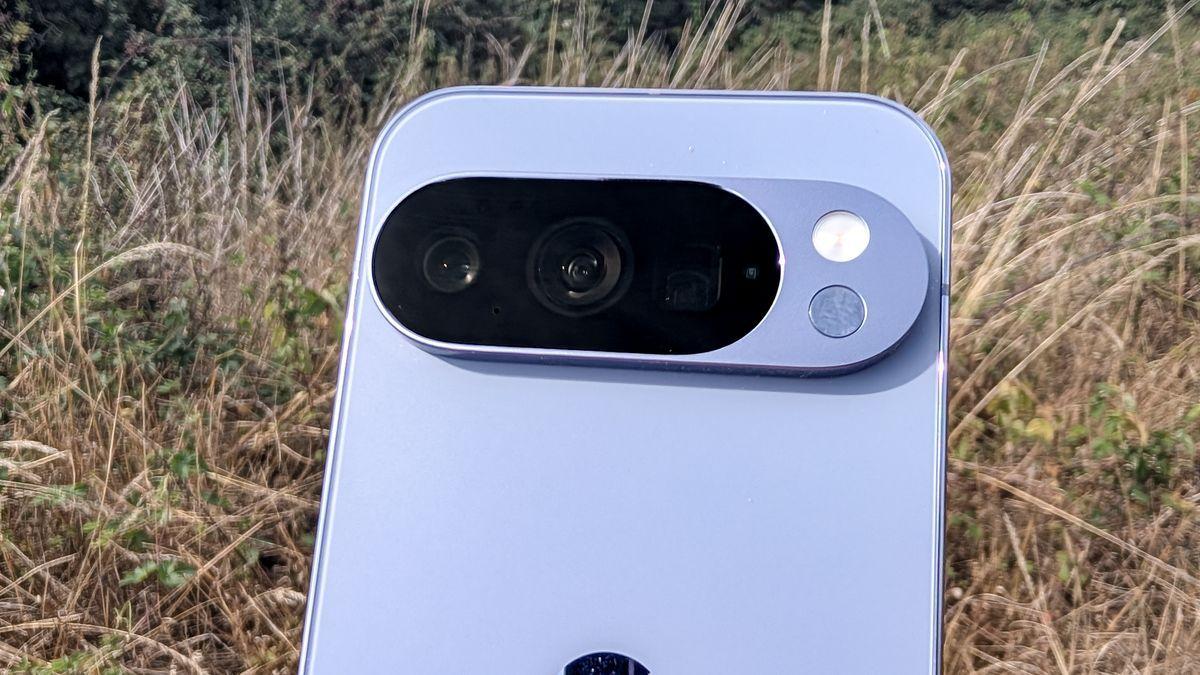
Source: Tom's Guide
The feature saves both the original and AI-enhanced versions of each photo, allowing users to compare the results. This transparency is crucial as it highlights the extent of AI's involvement in the final image
2
.Comparing AI Zoom to Optical Zoom
To gauge the effectiveness of Pro Res Zoom, comparisons were made with the Nikon Coolpix P1100, a camera known for its impressive 3000mm equivalent optical zoom. While the P1100 captures images based on actual light information, the Pixel 10 Pro relies on AI to reconstruct details
1
.
Source: The Verge
In various test scenarios, including moon shots, cityscapes, and wildlife photography, Pro Res Zoom demonstrated both strengths and limitations:
- Text Clarity: The AI excelled at sharpening and defining text on distant signs, often surpassing human vision without optical aids
2
. - Texture Enhancement: Pro Res Zoom added realistic textures to subjects like wooden fences and flower petals, although not always with perfect accuracy
2
. - Animal Photography: The AI showed impressive results in enhancing details of animals, suggesting specialized training in this area
2
. - Architectural Details: While improving overall clarity, the AI sometimes misinterpreted architectural elements, creating slight distortions
1
.
Related Stories
Implications and Challenges
The introduction of AI-powered zoom raises important questions about the nature of photography and image authenticity. While Pro Res Zoom can produce stunning results, especially in challenging conditions like heat haze, it also introduces the possibility of generating details that may not accurately reflect reality
1
.This technology blurs the line between image capture and image editing, potentially changing how we perceive and trust photographic evidence. As AI becomes more integrated into the camera itself, rather than just in post-processing software, it may fundamentally alter the practice of photography
1
.Future Prospects and Industry Impact
The success of Pro Res Zoom in the Pixel 10 Pro suggests a trend towards greater AI integration in smartphone cameras. This development could lead to significant changes in the smartphone industry, potentially influencing how other manufacturers approach camera technology
2
.As AI models continue to improve, we can expect even more sophisticated image enhancement capabilities in future devices. This progression may eventually extend AI-assisted enhancements to all photos captured by smartphones, further transforming the landscape of mobile photography
2
.While Pro Res Zoom represents a significant advancement, it also opens up discussions about the ethical implications of AI in photography and the balance between technological innovation and image authenticity. As this technology evolves, it will likely continue to challenge our understanding of what constitutes a "real" photograph in the digital age.
References
Summarized by

Navi
Related Stories
Google's Pixel 10 Pro Introduces AI-Powered Pro Res Zoom: A Game-Changer in Smartphone Photography
21 Aug 2025•Technology

Google's Pixel 10 Series: AI-Powered Camera Innovations and Controversies
21 Aug 2025•Technology
Google's Pixel 10 Series: AI-Powered Smartphones Push Boundaries of Mobile Technology
28 Aug 2025•Technology

Recent Highlights



Recent Highlights
Today's Top Stories



Don’t drown in AI news. We cut through the noise - filtering, ranking and summarizing the most important AI news, breakthroughs and research daily. Follow topics that matter to you and stay ahead.


