Google Pixel 10 Series Introduces Bluetooth 6: A Leap in Wireless Technology


3 Sources
[1]
The latest Google Pixel phones quietly got a Bluetooth upgrade - why it's a big deal
Google's Pixel 10 smartphones debuted with plenty of noteworthy features, including native magnetic wireless charging, an industry-first IP68 dust- and waterproof foldable phone design, and more intuitive AI features. The Pixel 10 smartphone lineup also debuts Bluetooth 6, making them the first
[2]
One of the biggest new features on the Google Pixel 10 is also one of the most overlooked
Google's Pixel 10 smartphones debuted with plenty of noteworthy features, including native magnetic wireless charging, an industry-first IP68 dust- and waterproof foldable phone design, and more intuitive AI features. One of the most significant updates, however, is the phone's adoption of
[3]
The Pixel 10 is the fist phone to ship in the US with Bluetooth 6 -- here's why it matters
The Pixel 10 delivers a major 4K video upgrade that helps preserve your storage Google packed plenty into its new Pixel 10 lineup: a foldable with full IP68 water resistance, magnetic wireless charging, and more AI flourishes than you can shake a stick at. But one feature slipped in with little
Share
Copy Link
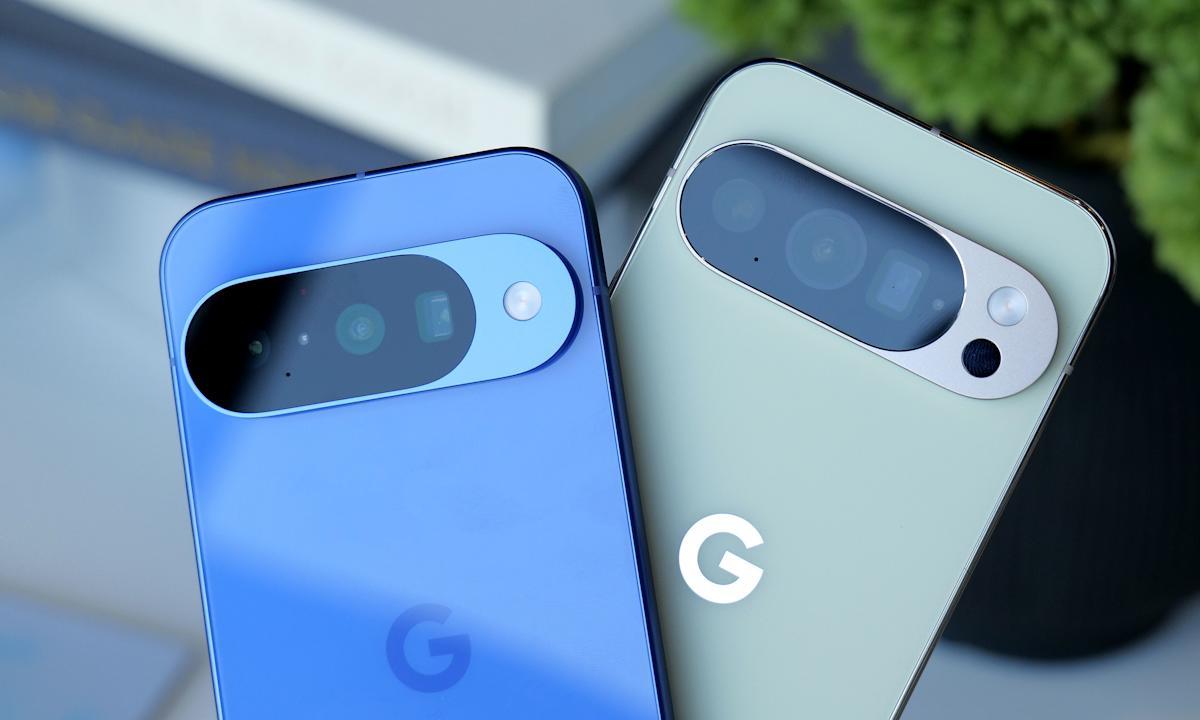
Google's Pixel 10 smartphones become the first in the US to feature Bluetooth 6, bringing significant improvements in connectivity, location tracking, and audio quality.
Google Pixel 10: Pioneering Bluetooth 6 Technology
Google's latest Pixel 10 smartphone lineup has quietly introduced a groundbreaking feature that sets it apart from its competitors: Bluetooth 6 support. This makes the Pixel 10 series the first smartphones in the United States to incorporate the latest Bluetooth connectivity standard, marking a significant leap in wireless technology
1
2
.
Source: ZDNet
Understanding Bluetooth 6 and Its Advantages
Bluetooth 6 brings several improvements to wireless connections, including enhanced stability, reduced power consumption, and increased signal strength. However, the most notable addition is the introduction of Channel Sounding, a feature that dramatically improves device location tracking accuracy
1
2
3
.Channel Sounding builds upon Bluetooth LE's positioning technology, enabling devices to establish precise distances between them. Unlike current Bluetooth devices that rely on signal strength for distance estimation, Channel Sounding measures the time it takes for a signal to travel. This more secure and accurate method can provide device location information down to the centimeter
1
2
.Practical Applications of Channel Sounding
The implications of this technology are far-reaching. While current Bluetooth-enabled device tracking can only provide a general location, Channel Sounding could potentially pinpoint a device's exact position. For instance, it could alert users that their device is within 10 feet, low-lying to the right, and wedged between couch cushions
1
2
.This level of precision rivals that of Apple's AirTags, which use ultra-wideband (UWB) technology. However, Channel Sounding through Bluetooth 6 could potentially be more widely adopted due to its lower cost and complexity compared to UWB
1
3
.Bluetooth 6 Beyond Location Tracking
While Channel Sounding is a headline feature, Bluetooth 6 offers several other significant improvements:
- Faster Bluetooth device scanning
- Enhanced audio codecs for better sound quality
- Improved audio and video latency for Bluetooth LE devices
- More efficient connections, potentially leading to longer battery life
1
2
3
Related Stories

The Road to Widespread Adoption
Despite its potential, the adoption of Bluetooth 6 and Channel Sounding is expected to be a gradual process. Currently, only the Pixel 10, Pixel 10 Pro, Pixel 10 Pro XL, and Pixel 10 Pro Fold support Bluetooth 6. Interestingly, Google has also managed to update the Pixel Watch 3 to support Channel Sounding, although the exact method remains unclear
1
2
.Industry experts anticipate that Apple's iPhone 17 and Samsung's Galaxy S26 lineup, slated for release in the near future, may be the next smartphones to incorporate Bluetooth 6 support
1
2
3
.
Source: Android Police
The Future of Bluetooth Technology
Bluetooth's overarching goal has always been to standardize everyday technologies. Just as it once aimed to eliminate wires for connecting devices, Bluetooth now seeks to standardize Channel Sounding. This could potentially enable smartphones to act as digital car and house keys, and eliminate the need for dedicated location trackers
1
2
.As Bluetooth 6 becomes more widespread, we may see a future where any Bluetooth-enabled device in your possession, from headphones to tablets, could serve as a location tracker. This would mark a significant shift away from ecosystem-dependent tracking features, offering users more flexibility and convenience
1
2
3
.References
Summarized by

Navi
Related Stories
Google's Pixel 10 Series: AI-Powered Camera Coach and Enhanced Features Unveiled
07 Aug 2025•Technology

Google Pixel 10 Series: Rumored Features and Upgrades Ahead of August Launch
31 Jul 2025•Technology

Google's Pixel 10 Introduces AI-Powered Camera Features and Enhanced Capabilities
21 Aug 2025•Technology
Recent Highlights



Recent Highlights
Today's Top Stories








Don’t drown in AI news. We cut through the noise - filtering, ranking and summarizing the most important AI news, breakthroughs and research daily. Follow topics that matter to you and stay ahead.


