Google Stitch: Revolutionizing UI Design with AI-Powered Natural Language Commands


2 Sources
[1]
Everyone's looking to get in on vibe coding -- and Google is no different with Stitch, its follow-up to Jules
Join our daily and weekly newsletters for the latest updates and exclusive content on industry-leading AI coverage. Learn More Vibe coding is arguably one of the hottest trends in tech right now, as it reflects a wider adoption of AI and natural language prompts for basic code completion
[2]
How Google Stitch Simplifies UI Design with Natural Language Commands
What if designing a professional-grade user interface was as simple as describing it in plain language? With the launch of Google Stitch, that bold vision is now a reality. Announced at the Google I/O developer conference, Stitch is a innovative, free AI-powered UI design tool that transforms the
Share
Copy Link
Google introduces Stitch, an AI-powered UI design tool that transforms natural language prompts into functional user interfaces, challenging traditional coding paradigms and competing with established players in the vibe coding space.
Google Enters the Vibe Coding Arena with Stitch
Google has unveiled Stitch, a new AI-powered user interface (UI) design tool that marks its entry into the burgeoning field of "vibe coding." This experimental platform, currently in beta, allows users to generate functional UI designs using natural language prompts, potentially revolutionizing the way developers and designers approach interface creation
1
.Understanding Vibe Coding
Vibe coding, a term coined by OpenAI cofounder Andrej Karpathy, represents a shift in programming paradigms. It emphasizes the use of generative AI to automate coding tasks traditionally done manually, focusing on the end result rather than the process. This approach goes beyond existing AI assistants and low-code tools, embracing a more holistic and outcome-oriented methodology
1
.Stitch's Capabilities and Features
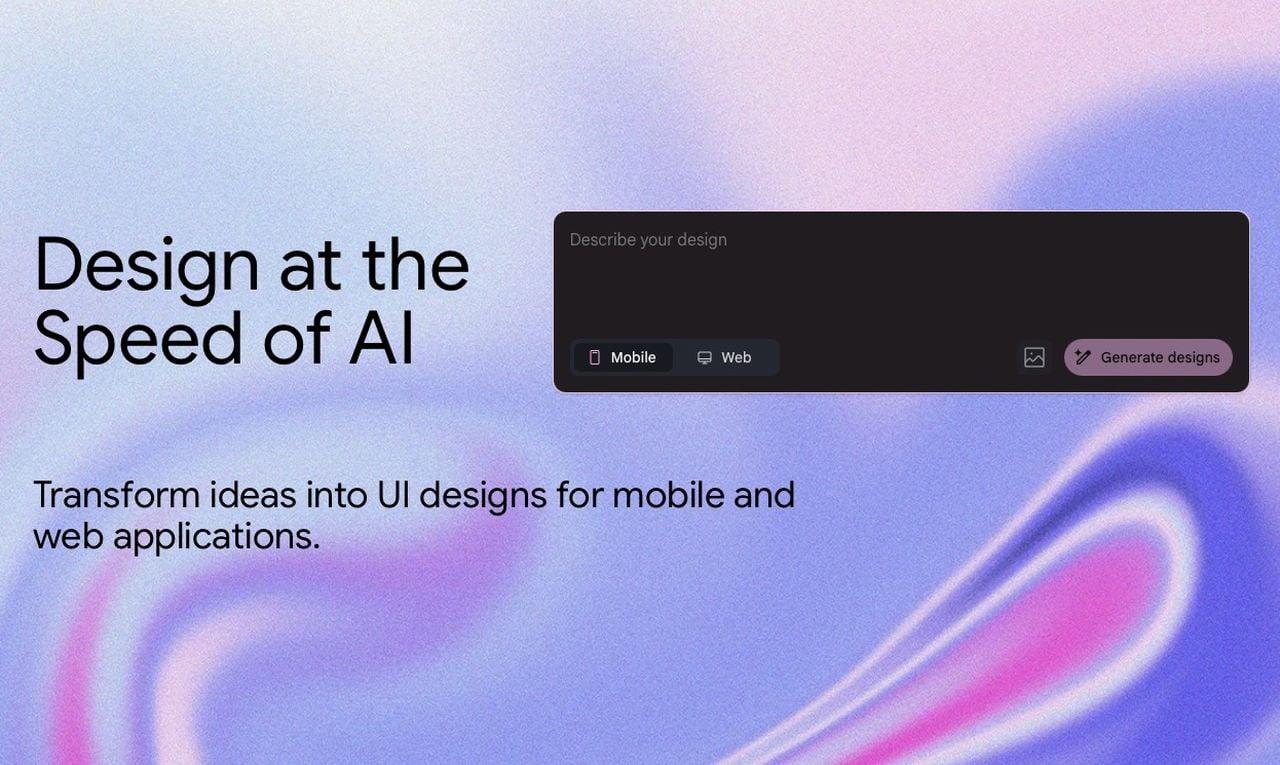
Source: Geeky Gadgets
Google Stitch allows users to create dashboards, web apps, or mobile apps by simply describing their desired outcome. The platform generates HTML, CSS+, and templates with editable components that both developers and non-developers can customize. Key features include:
- Two operational modes: Standard (using Gemini 2.5 Flash) and Experimental (using Gemini Pro)
- Ability to upload visual elements like screenshots and wireframes in Experimental mode
- Instant generation of multiple design variants
- Export functionality to Figma for further refinement
2
Market Competition and Reception
Stitch enters a competitive landscape populated by established players like Windsurf (formerly Codeium), Cursor, Replit, and others. Tech giants such as Amazon Web Services (AWS) and Microsoft are also vying for dominance in this space with their respective AI-assisted development tools
1
.Initial reactions to Stitch have been mixed. Some users have praised its speed and capability in generating basic layouts, while others have pointed out limitations in design quality and customization options compared to existing tools like Figma's First Draft or Uizard's Autodesigner
1
.Related Stories

Potential Impact and Applications

Source: VentureBeat
Despite its current limitations, Stitch has the potential to significantly impact UI design processes. Its accessibility—requiring only a Google account—could democratize UI design, making professional-grade tools available to a wider audience. The platform's versatility makes it suitable for various scenarios, from rapid prototyping to creating complex, multi-page applications
2
.Future Developments
Google plans to enhance Stitch's capabilities, including a feature that will allow users to annotate screenshots for more precise design modifications. As the tool evolves, it could address current shortcomings and potentially become a go-to solution for both seasoned designers and newcomers in the field of UI design
1
.As the vibe coding trend continues to gain traction, tools like Google Stitch represent a significant shift in how we approach software development and design. While still in its early stages, this technology has the potential to reshape the landscape of UI/UX design and software development, making it more accessible and efficient for creators of all skill levels.
References
Summarized by

Navi
[1]
Related Stories
Google's Stitch brings vibe design to UI creation, letting anyone build interfaces with voice
19 Mar 2026•Technology

Google Launches Firebase Studio: AI-Powered App Development Platform Sparks Debate
10 Apr 2025•Technology
Google AI Studio launches Antigravity agent to turn prompts into production-ready apps
20 Mar 2026•Technology
Recent Highlights
1
Meta Unveils Muse Wonder Frontier AI Models, Claims Performance Matching OpenAI and Anthropic
Technology

2
IMF Report Warns AI Market Correction Could Spark Global Financial Crisis With $1.4T at Risk
Business and Economy

3
Eight States Sue OpenAI Over ChatGPT Safety Concerns and Unlawful Collection of Children's Data
Policy and Regulation
Recent Highlights
Today's Top Stories










Don’t drown in AI news. We cut through the noise - filtering, ranking and summarizing the most important AI news, breakthroughs and research daily. Follow topics that matter to you and stay ahead.


