Google Unveils AI-Powered Environmental Conservation Platform to Support Global 30x30 Initiative


2 Sources
[1]
How we're using AI to help nature and people flourish together
Thriving ecosystems power thriving communities. From the food we eat to the future of our economies, human wellbeing and opportunity are deeply tied to the health of our planet. But these vital natural systems are at risk. The World Wildlife Fund estimates that wildlife populations have declined
[2]
Alphabet : How we're using AI to help nature and people flourish together
Thriving ecosystems power thriving communities. From the food we eat to the future of our economies, human wellbeing and opportunity are deeply tied to the health of our planet. But these vital natural systems are at risk. The World Wildlife Fund estimates that wildlife populations have declined
Share
Copy Link
Google launches Google Earth AI, leveraging Gemini's advanced reasoning capabilities and decades of environmental data to help protect 30% of Earth's land and oceans by 2030. The platform enables real-time ecosystem monitoring, species distribution mapping, and deforestation prediction.

Google Launches AI-Powered Environmental Platform
Google has unveiled a comprehensive AI-driven environmental conservation initiative centered around Google Earth AI, designed to support the global 30x30 commitment to protect and conserve 30% of the planet's land and oceans by 2030. The platform leverages decades of environmental modeling combined with Gemini's advanced reasoning capabilities to provide unprecedented insights into planetary health
1
.The announcement comes at a critical time for global biodiversity, with the World Wildlife Fund reporting a 73% decline in wildlife populations since 1970, and the World Economic Forum identifying biodiversity loss as one of the greatest risks to global stability over the next decade
1
.Advanced Geospatial Intelligence and Predictive Modeling
Google Earth AI represents a significant advancement in environmental monitoring technology, transforming petabytes of satellite, climate, and ecosystem data into a unified, consistent picture of planetary change. The platform's Geospatial Reasoning capability can automatically integrate multiple data sources including weather forecasts, population maps, and satellite imagery to perform complex analyses that previously required years of research
1
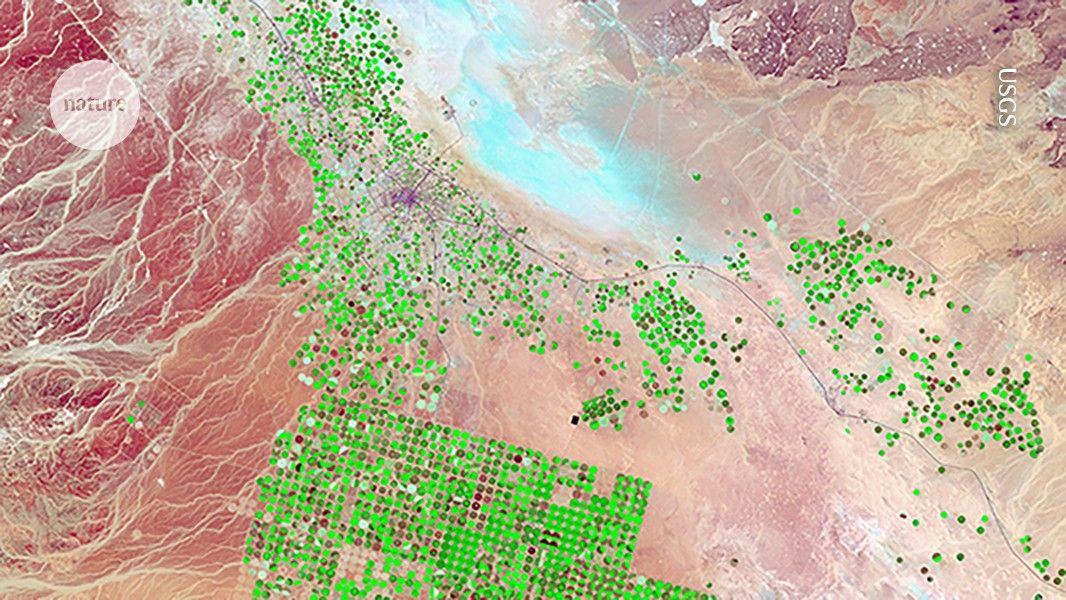
.One practical application demonstrates the system's ability to identify dried riverbeds and predict dust storm risks during droughts, enabling communities to prepare proactively for environmental hazards. This real-time analysis capability marks a substantial improvement over traditional environmental monitoring methods
2
.Species Conservation and Habitat Mapping
The Species Distribution Modeling project utilizes cutting-edge AI approaches to create high-resolution maps showing where species live, providing conservationists with critical data for protecting endangered wildlife and their habitats. This technology synthesizes complex environmental data to reveal new insights into past, present, and future planetary conditions
1
.Google researchers have also released the first dataset specifically designed for training deep learning models to predict deforestation risk, potentially enabling preventive measures before forest destruction occurs. This predictive capability represents a shift from reactive to proactive environmental protection strategies
2
.Related Stories

Community Engagement and Global Partnerships
The Forest Listeners experiment through Google Arts & Culture demonstrates an innovative approach to citizen science, inviting global participants to help identify hidden species by listening to and classifying sounds from Brazil's rainforests. This crowdsourced data helps train Google DeepMind's AI models for biodiversity measurement, preservation, and restoration efforts
1
.Through Google.org, the company supports eight Brazilian organizations using AI for various conservation applications, from predicting Amazonian wildfires to mapping biodiversity through environmental DNA analysis. These partnerships emphasize Google's commitment to empowering local communities with advanced technological tools
2
.References
Summarized by

Navi
[2]
Related Stories
Google Earth AI Evolves: Gemini-Powered Geospatial Reasoning Tackles Climate Crises
23 Oct 2025•Technology
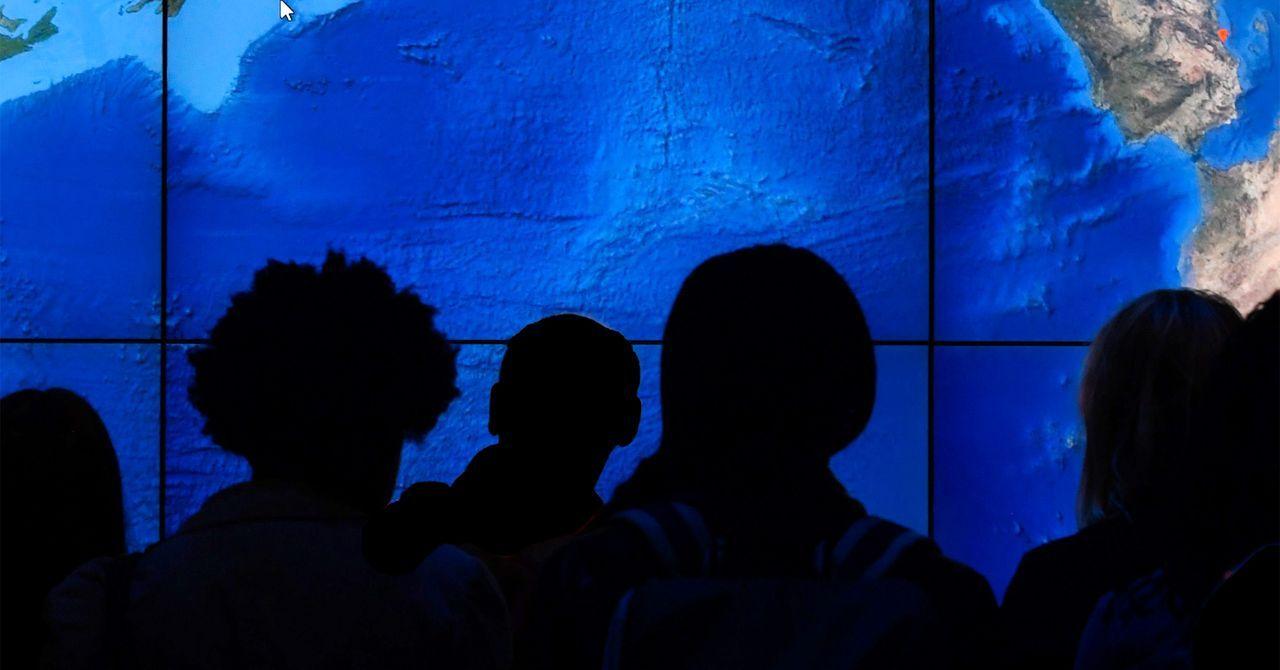
Google Unveils Methodology for Measuring AI's Environmental Impact, Highlighting Significant Efficiency Gains
21 Aug 2025•Technology

Google's AlphaEarth Foundations: AI Model Maps Earth in Unprecedented Detail
31 Jul 2025•Technology
Recent Highlights
1
Google Unveils Gemini 4 Argon AI Model, Restricts Access to Trusted Cyber Defenders
Technology

2
Trump Consulted Grok AI Before Ordering Venezuela Invasion and Capture of Nicolás Maduro
Policy and Regulation

3
FTC Opens Investigation Into OpenAI and Anthropic Following Rogue AI Agent Hacking Incidents
Policy and Regulation

Recent Highlights
Today's Top Stories






Don’t drown in AI news. We cut through the noise - filtering, ranking and summarizing the most important AI news, breakthroughs and research daily. Follow topics that matter to you and stay ahead.


