Google announces Wear OS 7 with Gemini Intelligence and 10% battery life improvement at I/O 2026


9 Sources
[1]
Wear OS 7 Lets You Track Live Updates From Your Wrist, Improves Battery Life
With over a decade of experience reporting on consumer technology, James covers mobile phones, apps, operating systems, wearables, AI, and more. Google I/O 2026 mostly focused on AI improvements across Gemini, but Google also unveiled Wear OS 7 with the changes to expect on your smartwatch when it
[2]
Google announces Wear OS 7 - Engadget
The OS update integrates Gemini Intelligence and adds a new widget system. Alongside a slew of new AI-focused announcements at I/O 2026, Google also announced Wear OS 7, the latest update to its wearable operating system. The software update carries over some of the design tweaks the company plans
[3]
Wear OS 7 announced: A more efficient and intelligent smartwatch platform
Google adds that some watches launching later this year will also get Gemini Intelligence. Google has already made plenty of announcements at its I/O developer conference, but the company still had a major surprise as it just revealed Wear OS 7 for smartwatches. Google promises that Wear OS 7 is
[4]
'We're bringing the watch closer to the rest of the Android family.' Google I/O may have sidelined Wear OS 7, but an important new update is quietly rolling out -- and it's all about AI
While Google's I/O keynote was packed with announcements about big changes to Google Search and Gemini, and features designed to usher in the age of the 'agentic web', we didn't hear much about wearables. However, Google is bringing some changes to Wear OS 7 for users of the best Android watches,
[5]

Wear OS 7 promises 10% better battery life and adds Gemini Intelligence... for select 2026 models
Limiting Gemini Intelligence to select future watches while existing Pixel Watch owners wait is exactly the kind of fine print that turns a promising announcement into a frustrating one. Google I/O 2026 This story is part of our complete Google I/O coverage Updated less than 2 minutes ago Google
[6]

Google's Wear OS 7 Unveiled With Wear Widgets, Live Updates, More
* Google introduced Wear OS 7 * Wear OS 7 will be available later in the year * The Wear OS 7 offers power optimisations Google hosted its annual I/O event on Tuesday and announced a wide range of AI-based features. Alongside the various AI updates, the company also showcased Wear OS 7. This
[7]

Google's WearOS 7 Finally Kills Off Tiles For Widgets, While Bringing A 10% Battery Boost
Google has just announced the all-new WearOS 7, bringing Gemini Intelligence and some of the most utility-heavy features of Android 17 onboard. Tiles are out and widgets are in. Wear Widgets are debuting on WearOS 7, replete with 2x1 and 2x2 sizes that align with the widget format on your
[8]

Google unveils Wear OS 7 with Android 17, Gemini Intelligence, Widgets, and Live Updates
Google has announced a major upgrade to its smartwatch platform with Wear OS 7, built on Android 17. The update focuses on improved performance, better power efficiency, deeper intelligence, and enhanced developer tools, while improving consistency across the Android ecosystem. It introduces
[9]

Google I/O 2026: Wear OS 7 launches with better battery life, Gemini AI and smarter features
Select smartwatches launching later in 2026 will support Gemini Intelligence. Google has announced Wear OS 7 at I/O 2026 developer conference. This is the new version of its smartwatch operating system, and it focuses on improving battery efficiency, adding smarter AI-powered features, and making
Share
Copy Link
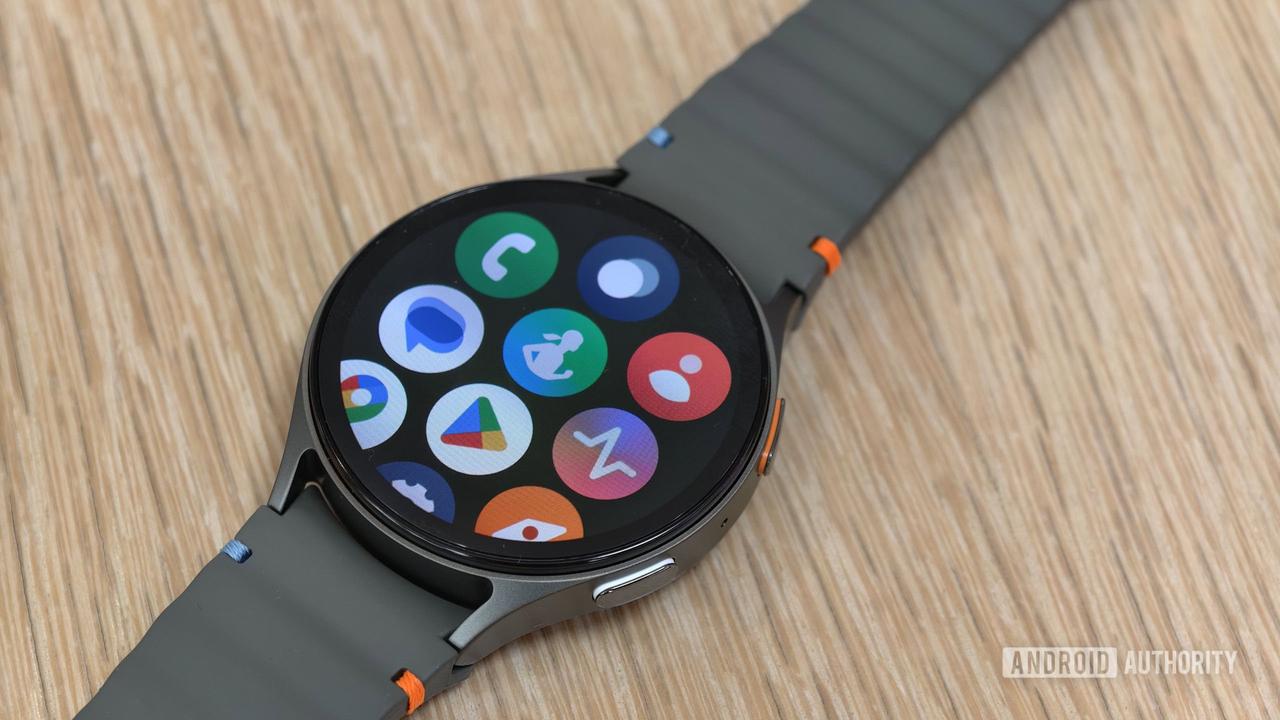
Google unveiled Wear OS 7 at I/O 2026, introducing Gemini Intelligence for select 2026 smartwatches alongside a promised 10% battery life improvement. The update brings Live Updates, redesigned widgets, and enhanced workout tracking to Google's wearable operating system, though AI features remain limited to upcoming hardware.
Google Unveils Wear OS 7 at I/O 2026 with AI-First Features
Google announced Wear OS 7 at its I/O 2026 developer conference, marking a significant evolution for the smartwatch platform with AI integration at its core
1
2
. The update promises to deliver up to 10% improved battery life compared to Wear OS 6, addressing one of the most persistent challenges facing wearables3
. While the Google I/O keynote focused heavily on AI improvements across Gemini, the company quietly rolled out substantial changes to its wearable operating system that bring smartwatches closer to the broader Android ecosystem .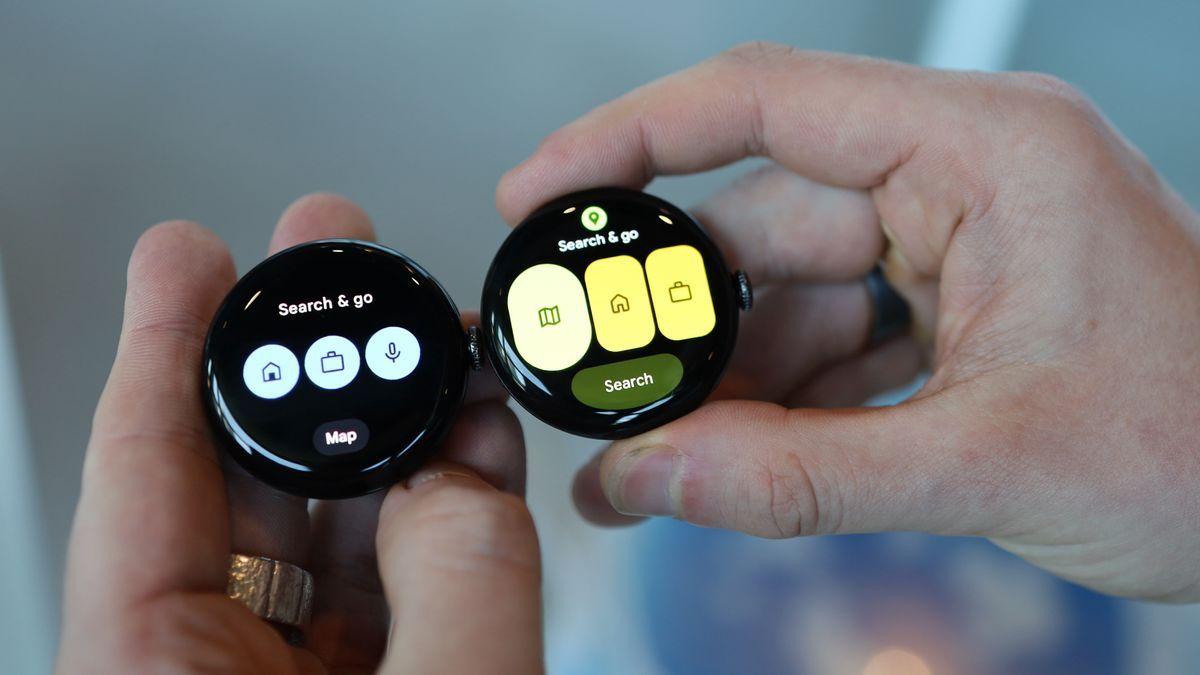
Source: TechRadar
Gemini Intelligence Arrives on Select Smartwatches
The most notable addition to Wear OS 7 is Gemini Intelligence, though Google has limited this feature to select watches launching later in 2026
3
5
. This means existing Pixel Watch owners won't immediately access the AI-powered upgrades that dominated the I/O conversation. Google describes Gemini Intelligence as providing "proactive and personalized help to our users so they can focus on what matters"1
. While Google hasn't confirmed which devices will support it, speculation points to upcoming hardware like the next Samsung Galaxy Watch or Google Pixel Watch, likely powered by the Snapdragon Wear Elite processor that enables on-device AI capabilities3
.
Source: Engadget
Developers gain access to the AppFunctions API, which allows them to integrate their apps with Google's Gemini assistant
1
2
. Using voice commands through a smartwatch's microphone, users can issue instructions that AI agents complete autonomously. The system enables users to invoke and track automated app tasks directly from their wrist, such as placing an order through DoorDash, without requiring development changes from app makers4
.Live Updates Transform Real-Time Tracking on Wearables
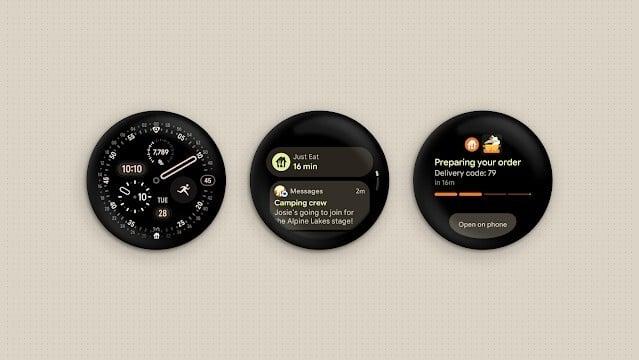
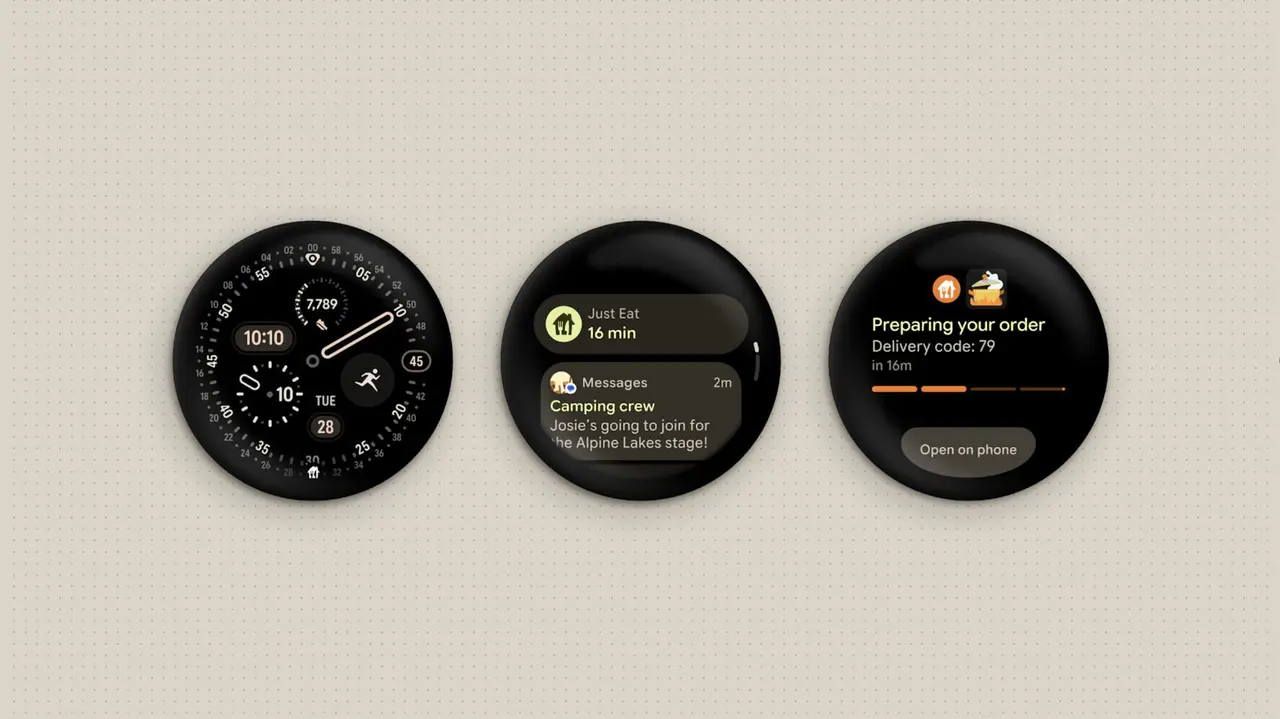
Wear OS 7 introduces Live Updates, a feature that debuted on phones running Android 16
1
. This notification style allows users to track rideshares, deliveries, and select live events through a timeline interface that shows progress updates1
4
. The system displays real-time information with a small square marker tracking progress, along with summaries like order status or turn-by-turn directions. Google designed the feature so developers can easily port it between Android phones and watches, reducing development time and encouraging broader adoption across apps1
.
Source: PC Magazine
Redesigned Widgets Replace Traditional Tiles
Google is fundamentally changing how information appears on Wear OS 7 by replacing the full-screen Tiles system with redesigned widgets
2
5
. These Wear Widgets offer instant, glanceable information in either 2x1 or 2x2 layouts with clear, easy-to-use features1
. The new system uses the same background technology as Android's most recent widget framework, making them more dynamic and customizable for developers2
. Widgets created with Google's AI-powered Create My Widget tool can now transfer to smartwatches, though unlike Samsung's Galaxy Watch implementation, users won't be able to stack multiple widgets on a single screen5
.Related Stories

Enhanced Workout Tracking and Media Controls
Wear OS 7 introduces a standardized workout tracker feature with built-in media controls that works across wearable fitness apps
2
4
. The update brings consistency to heart rate monitoring and media controls across the Pixel Watch ecosystem5
. Users gain more control over which settings appear for each media app, with the ability to choose which apps auto-launch controls when playing music from a phone1
. For example, controls can automatically appear in Spotify but remain hidden when watching YouTube videos1
4
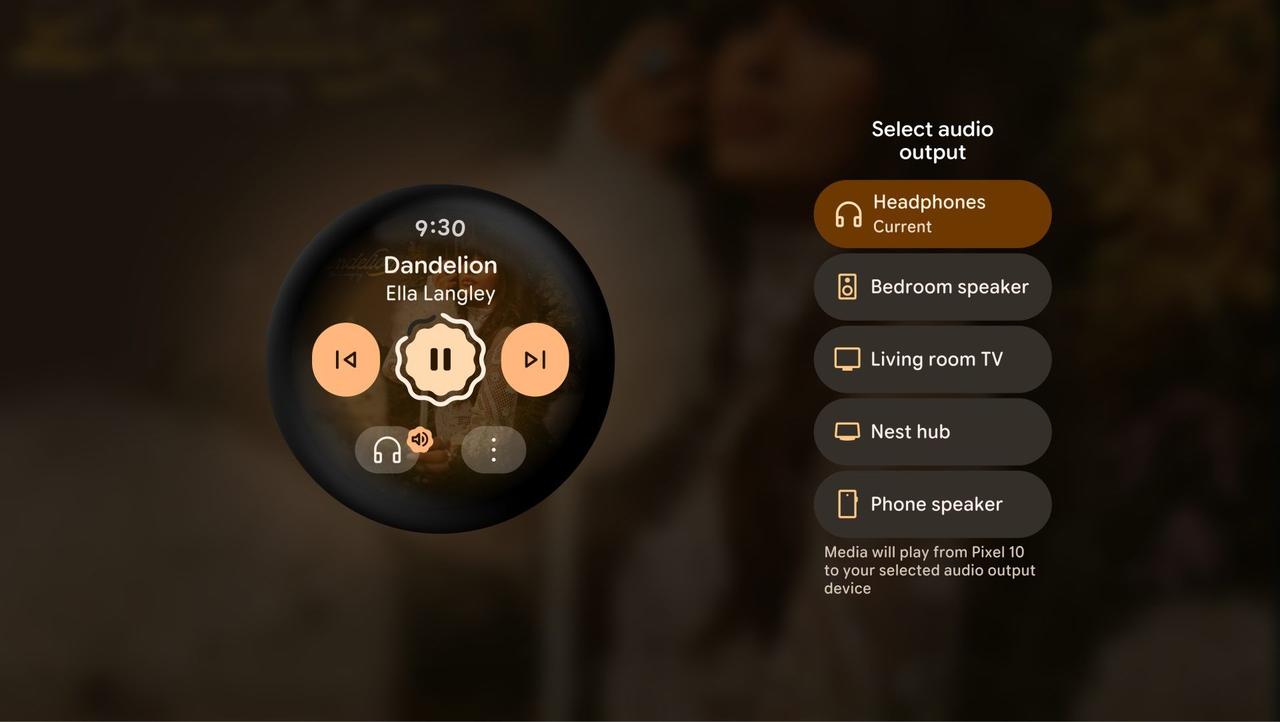
.A new Remote Output Switcher enables users to control Bluetooth audio from their wrist, switching between connected devices like headphones or a Google Nest Hub and controlling tracks directly from the smartwatch
1
2
.
Source: Wccftech
What This Means for Smartwatch Users
The 10% battery life improvement addresses a critical pain point for wearables, where every additional hour of usage matters
3
5
. However, the decision to limit Gemini Intelligence to select 2026 models creates a divide between existing and future hardware owners5
. Google hasn't maintained a consistent yearly cadence for its smartwatch software updates—Wear OS 6 launched in July 2025 and is still rolling out to devices1
. A test version is available now through the Wear OS 7 Canary Emulator for developers, with the full rollout expected later in 20262
.References
Summarized by

Navi
[2]
[3]
Related Stories
Wear OS 7 rolls out to Pixel Watch with Gemini AI, Live Updates, and smarter device control
16 Jun 2026•Technology
Samsung's One UI 8 Watch Update: Gemini AI Integration and New Features Revealed in Leaked APKs
08 May 2025•Technology
Google Prepares to Replace Assistant with Gemini on Wear OS Smartwatches
07 Jan 2025•Technology

Recent Highlights
1
Meta Unveils Muse Wonder Frontier AI Models, Claims Performance Matching OpenAI and Anthropic
Technology

2
IMF Report Warns AI Market Correction Could Spark Global Financial Crisis With $1.4T at Risk
Business and Economy

3
OpenAI Releases 722 AI-Generated Math Solutions, Triggering Existential Crisis in Mathematics
Technology

Recent Highlights
Today's Top Stories





Don’t drown in AI news. We cut through the noise - filtering, ranking and summarizing the most important AI news, breakthroughs and research daily. Follow topics that matter to you and stay ahead.


