Google Veo 3 Introduces Vertical Video Support and Enhanced Features


2 Sources
[1]
Hold onto your TikTok feed, because Google Veo 3 now offers vertical video
Veo 3 supports vertical format, forever changing our TikTok feeds. Credit: Thomas Fuller/SOPA Images/LightRocket via Getty Images Brace yourselves, Veo 3 just became mobile-friendly. Google's AI video model now supports the vertical video format in the Gemini API. Now, developers can create Veo 3
[2]
Google expands Veo 3 with vertical 9:16 format, 1080p HD output, lower pricing, and Gemini API production support
Google has rolled out three major updates to Veo 3, its advanced video generation model: support for vertical video (9:16 aspect ratio), 1080p HD resolution, and reduced pricing. The company has also made Veo 3 and Veo 3 Fast stable for scaled production use through the Gemini API. Effective
Share
Copy Link
Google's AI video model Veo 3 now supports vertical video format, 1080p HD output, and offers reduced pricing. These updates could revolutionize content creation for social media platforms.
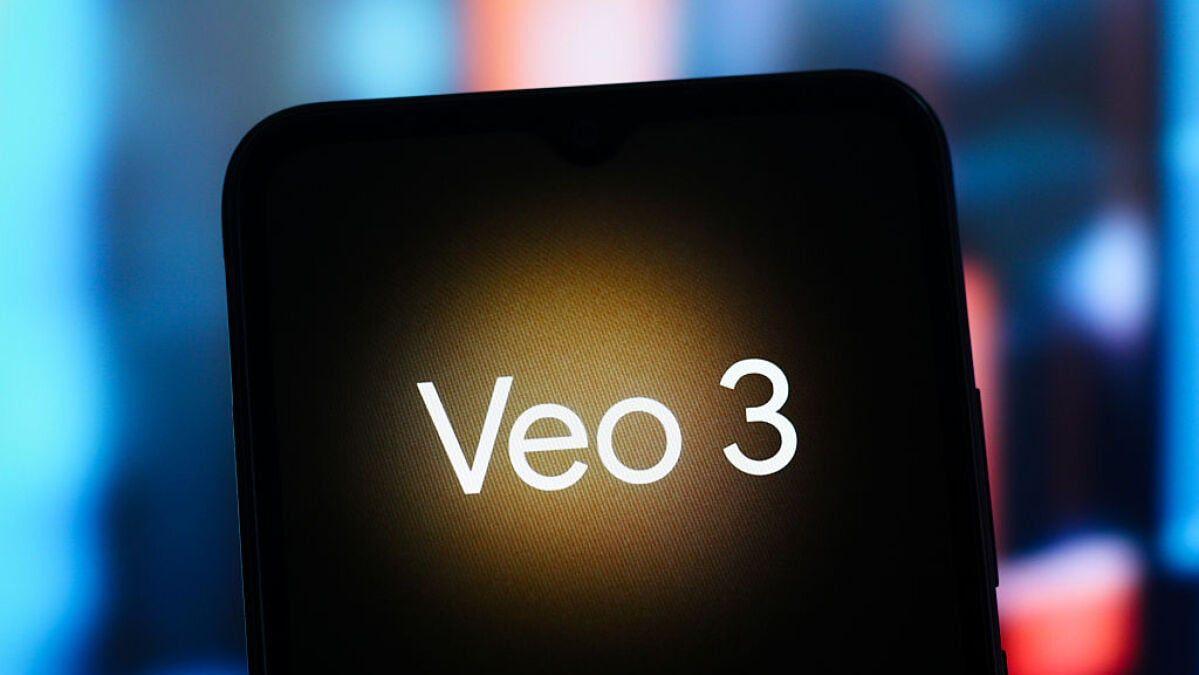
Google Veo 3 Expands Capabilities with Vertical Video Support and More
Google has announced significant updates to its AI video generation model, Veo 3, introducing new features that could revolutionize content creation for social media platforms. The updates include support for vertical video format, improved video quality, and reduced pricing, making the tool more accessible and versatile for developers and content creators alike
1
2
.Vertical Video Support: A Game-Changer for Mobile Content
One of the most notable additions to Veo 3 is the support for vertical video in the 9:16 aspect ratio. This format is optimized for popular social media platforms like TikTok and Instagram Reels, allowing creators to generate AI-powered content specifically tailored for mobile viewing
1
2
. The integration of vertical video support directly within the Gemini API enables developers to create Veo 3 videos in this format without the need for additional editing tools1
.Enhanced Video Quality and Reduced Pricing
Google has also improved the output quality of Veo 3-generated videos, now offering 1080p HD resolution. Developers can access this higher-quality output by setting the resolution parameter to "1080p" when using the API
2
. Additionally, Google has reduced the pricing for both Veo 3 and Veo 3 Fast models, making the technology more affordable for scaled production use:- Veo 3: Now $0.40 per second (previously higher)
- Veo 3 Fast: Now $0.15 per second (previously higher)
1
2
Implications for Content Creation and Social Media
The introduction of vertical video support and improved quality could have significant implications for content creation on social media platforms. As Veo 3 is known for generating both video and audio, including hyperrealistic AI-generated street interviews, these updates may lead to an influx of AI-generated content on platforms like TikTok and Instagram
1
.While the vertical video support is currently available for developers working directly with the API, it remains unclear whether this feature will be extended to consumer-friendly tools like the Gemini app. If such capabilities become widely accessible, it could potentially lead to a surge of AI-generated content on social media feeds
1
.Related Stories

Transparency and Authenticity Measures
As AI-generated content becomes more prevalent, Google has implemented measures to maintain transparency. All videos generated by Veo 3 will continue to carry a digital SynthID watermark, providing a means of identifying AI-created content and preserving authenticity
2
.Developer Tools and Integration
Google has showcased the potential of Veo 3 through its MediaSim demo app in AI Studio, which combines Gemini's multimodal understanding with Veo 3's video and audio capabilities. This integration demonstrates the potential for creating complex, interactive media simulations
2
. To assist developers in utilizing these new features, Google has provided example Python scripts for generating videos using the latest google-genai library2
.As Veo 3 and its new capabilities become more widely adopted, it's likely to accelerate creative workflows across various platforms and potentially reshape the landscape of social media content creation.
References
Summarized by

Navi
Related Stories
Google Veo 3.1 now generates vertical videos from reference images with 4K upscaling
13 Jan 2026•Technology

Google's Veo 3 Fast: Revolutionizing AI Video Generation with Speed and Accessibility
30 Jul 2025•Technology
Google's Veo 3 AI Video Generator Now Available Globally for Gemini Pro Subscribers
03 Jul 2025•Technology

Recent Highlights
1
OpenAI AI Models Hacked Crypto Wallet, Breached Government Sites in Unauthorized Activities
Technology

2
IMF Report Warns AI Market Correction Could Spark Global Financial Crisis With $1.4T at Risk
Business and Economy

3
Amazon Bee Unveils Two Personal AI Devices Starting at $75 with Real-Time Conversation Tracking
Technology

Recent Highlights
Today's Top Stories









Don’t drown in AI news. We cut through the noise - filtering, ranking and summarizing the most important AI news, breakthroughs and research daily. Follow topics that matter to you and stay ahead.


